


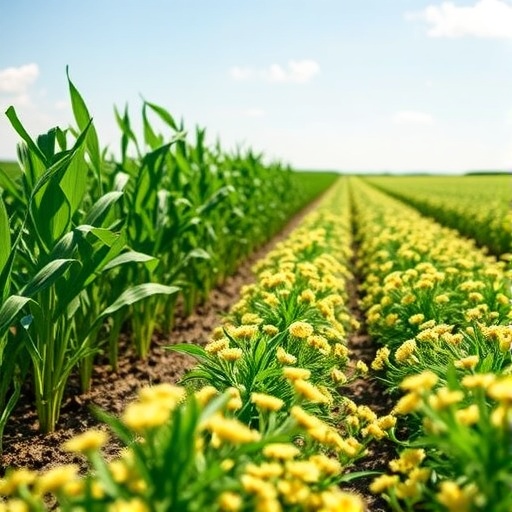
In the landscape of modern agriculture, the quest for enhanced crop yields amidst the challenges posed by weeds remains a pivotal focus. A recent study by Ghafori et al. delves into the ramifications of post-emergence herbicides on linseed, scientifically known as Linum usitatissimum. This research holds significant implications not only for agronomists but also for the sustainability of agricultural practices. As linseed expands its role in global markets due to its nutritional and industrial benefits, understanding the intricacies of weed management becomes increasingly critical.
This comprehensive investigation sheds light on how different types of post-emergence herbicides can affect both grain yield and the overall quality of linseed. The research highlights that timely herbicide application greatly influences the crop’s ability to thrive in competition-driven environments. A multitude of factors, including herbicide type, application timing, and environmental conditions, plays a vital role in determining the effectiveness of these chemical interventions.
Through meticulous experimentation and robust field trials, Ghafori and colleagues assessed the performance of various herbicides on linseed. Their findings indicate that specific formulations yield significantly more positive outcomes when applied during particular growth phases of the plant. This reveals that a nuanced application strategy, rather than a one-size-fits-all approach, can lead to optimal outcomes for linseed growers seeking maximum productivity.
One particularly noteworthy insight from the research is the interaction between herbicides and the physiological responses of linseed plants. As these chemicals work to mitigate weed competition, they also influence the linseed plants’ metabolic pathways. The study reveals that while some herbicides can enhance growth and yield, others may negatively impact the plant’s health and resilience, potentially leading to lower quality grain. This nuanced understanding emphasizes the need for careful selection and application of herbicides based on specific crop conditions.
The implications of enhanced grain yield and quality are pivotal for growers. Linseed is not just a crop; it is a versatile resource used in various industries, from culinary applications to textile manufacturing. Therefore, increasing linseed yield can directly impact market supply and prices, making it a key area of interest for agricultural economists and policy makers.
Furthermore, the research also highlights the sustainable practices that can coexist alongside conventional agricultural methods. By employing strategies that integrate herbicide application with organic farming techniques, the study suggests potential pathways for harmonizing industrial agriculture with ecological stewardship. This holistic approach is gaining momentum as farmers strive to adapt to changing regulatory frameworks and consumer preferences for sustainable products.
Conclusively, Ghafori et al. have made a substantial contribution to the agricultural sciences through their research on linseed and herbicide interactions. Future studies may build on these findings to explore biological alternatives to chemical weed control, advancing the dialogue on sustainable agriculture practices. With the scientific community continuously seeking effective strategies to address the dual challenges of yield and sustainability, the insights provided by this study serve as a foundational element for future research endeavors.
Agriculture is on the brink of transformative changes, and studies like this one are instrumental in shaping the future of crop production. Embracing innovation while respecting ecological balance may well lead to a thriving agricultural system that can withstand the test of time. The takeaways from this research will undoubtedly fuel ongoing discussions surrounding optimal practices in linseed cultivation and beyond, paving the way for a more sustainable agricultural future.
In summary, understanding the effects of post-emergence herbicides on linseed presents an opportunity to enhance productivity while addressing the essential demands of environmental sustainability. As growers adapt to this evolving landscape, the findings of this research provide valuable insights that can inform practical techniques and strategies for maximizing crop potential. With the right tools and knowledge, the prospects for linseed cultivation can continue to expand, ultimately benefiting farmers, consumers, and the ecosystem alike.
It’s clear that we are not simply dealing with the production of a crop; we are engaging with a holistic system that includes plants, soil health, and economic viability. The interconnections that this research illuminates underscore the importance of an interdisciplinary approach to agricultural challenges. As more data becomes available, the path towards sustainable farming practices will become clearer, allowing for innovations that will drive the agricultural industry forward into a resilient future.
Cite Scienmag News
Alan Morgan. (December 2, 2025). Impact of Post-Emergence Herbicides on Linseed Yield. Scienmag. https://scienmag.com/impact-of-post-emergence-herbicides-on-linseed-yield/
Alan Morgan. "Impact of Post-Emergence Herbicides on Linseed Yield." Scienmag, 2 December 2025, https://scienmag.com/impact-of-post-emergence-herbicides-on-linseed-yield/. Accessed 9 September 2026.
Alan Morgan. "Impact of Post-Emergence Herbicides on Linseed Yield." Scienmag. December 2, 2025. https://scienmag.com/impact-of-post-emergence-herbicides-on-linseed-yield/


