


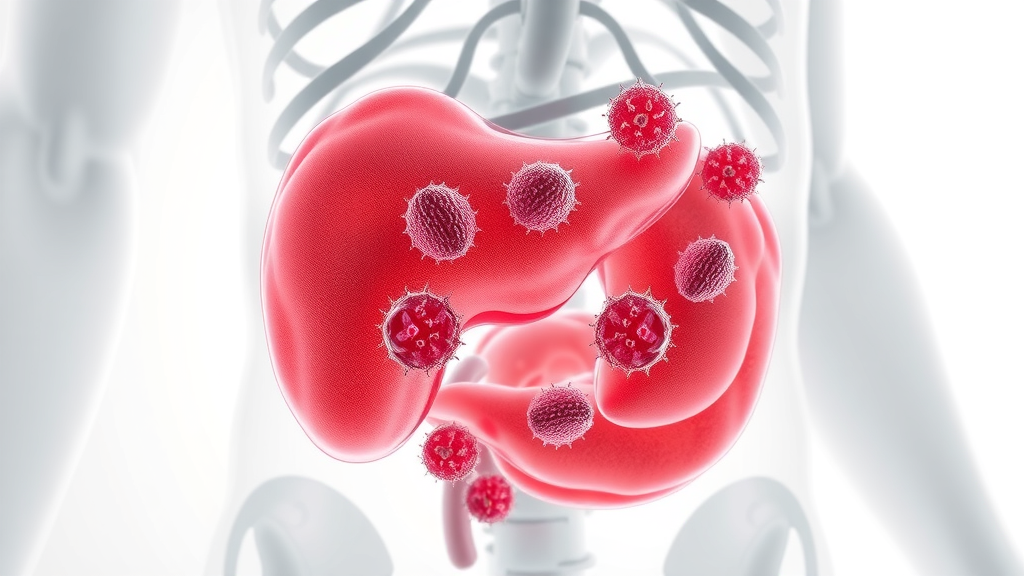
Not all fat is created equal, and a new study published in Nature Metabolism has revealed an unexpected immune-based explanation for one of the most persistent asymmetries in mammalian metabolism. Yuan and colleagues report that neutrophil-derived serine proteases act as depot-specific suppressors of beiging in visceral adipose tissue, the fat that surrounds internal organs and is strongly linked to cardiometabolic disease. The finding, highlighted in a News & Views commentary by Marcus J. Tol and Rinke Stienstra of Wageningen University, expands the recognized role of innate immune cells far beyond inflammation and host defense, positioning them as active sculptors of adipose tissue plasticity.
Adipose tissue in mammals is broadly divided into subcutaneous depots, found under the skin, and visceral depots, which pad the abdominal organs. Although both store energy in the form of lipid droplets, they differ dramatically in their behavior and their consequences for health. Subcutaneous fat is comparatively benign and can undergo thermogenic remodeling, a process in which ordinary white adipocytes acquire features of brown fat cells, becoming packed with mitochondria that burn fuel to produce heat. Visceral fat, by contrast, resists this transformation, known as beiging, and instead tends to enlarge, release fatty acids into the portal circulation, and secrete inflammatory signals that promote insulin resistance. Why visceral fat refuses to beige has long been an open question.
The concept of beiging itself has a rich experimental history. Work from several laboratories over the past two decades, including studies by Rosenwald and colleagues and by Chitraju and colleagues, established that cold exposure and sympathetic nervous system activation recruit new adipocyte precursors in subcutaneous fat that differentiate into thermogenically competent beige adipocytes. Drugs such as beta-adrenergic agonists can induce similar remodeling. Yet when researchers apply the same stimuli to visceral depots, the response is muted or absent. Yuan and colleagues set out to identify what actively enforces this depot specificity, suspecting that the local tissue microenvironment, rather than an intrinsic defect in visceral adipocyte precursors, might be responsible.
The investigative trail led the researchers to neutrophils, the most abundant white blood cells in the human body and classic first responders to infection. Neutrophils are armed with an arsenal of serine proteases, including neutrophil elastase, proteinase 3, and cathepsin G, which they normally deploy to destroy pathogens and remodel extracellular matrix. Earlier work had already implicated neutrophil enzymes in metabolic regulation: Talukdar and colleagues showed in 2012 that neutrophil elastase deficiency protects mice from obesity-associated insulin resistance, and Mansuy-Aubert and colleagues demonstrated in 2013 that neutrophils modulate insulin sensitivity in adipose tissue. What remained unknown was whether these proteases could gate a specific developmental program within fat tissue.
Yuan and colleagues now show that they can. In their model, serine proteases released by neutrophils that reside in or traffic to visceral fat cleave key signaling components required for the beiging program, effectively putting the brakes on thermogenic differentiation before it can begin. When the researchers depleted neutrophils or blocked their proteases, visceral adipose tissue regained some capacity for beiging, acquiring multilocular lipid droplets, elevated mitochondrial content, and increased expression of thermogenic genes. The effect was depot-specific: subcutaneous fat, which hosts fewer of these protease-releasing neutrophils under resting conditions, was largely unaffected, providing a mechanistic explanation for the natural dichotomy between the two depots.
The technical logic of the study is notable for the way it integrates cellular, molecular, and physiological levels of analysis. Single-cell and population-level transcriptomic profiling allowed the authors to map the immune composition of visceral versus subcutaneous depots and to quantify the enrichment of neutrophil signatures and protease transcripts in visceral fat. Genetic and pharmacological perturbations, including protease-deficient models and pharmacologic inhibitors of the sort previously characterized by Korkmaz and colleagues in their comprehensive pharmacological reviews of neutrophil serine proteases, established causality rather than mere correlation. Functional readouts of thermogenesis, including respiratory measurements and gene expression panels anchored on canonical markers such as Ucp1, confirmed that the histological and molecular shifts translated into genuine changes in adipose tissue function.
Why would the body actively suppress heat production in its visceral fat? The authors and the commentary authors offer several evolutionary and physiological interpretations. Thermogenesis is metabolically expensive, and skeletal and cardiac muscle plus brown fat already serve as principal heat-generating organs during cold defense. Restricting beiging to subcutaneous depots may allow the body to preserve the mechanical and structural integrity of visceral fat, which cushions organs, while avoiding the wasteful combustion of a fuel depot located in the abdominal cavity. At the same time, neutrophils are recruited in greater numbers to visceral fat during obesity, as demonstrated classically by Weisberg and Xu and their colleagues in 2003, suggesting that a system designed to restrain thermogenesis in lean animals may become maladaptive when inflammation drives excessive neutrophil accumulation and further locks visceral fat into an metabolically unfavorable state.
The translational implications are considerable. Pharmacological strategies to induce beiging have struggled precisely because systemically administered thermogenic stimuli produce off-target effects, particularly on the cardiovascular system, through beta-adrenergic activation. A pathway that actively suppresses beiging in one specific depot offers an alternative therapeutic logic: relieve the brake rather than press the accelerator. If neutrophil serine protease activity in visceral fat could be selectively inhibited, patients with obesity or type 2 diabetes might regain some of the thermogenic and insulin-sensitizing capacity that their subcutaneous fat already possesses. Protease inhibitors exist for related enzymes, and neutrophil elastase inhibitors have been tested in inflammatory lung disease, providing a medicinal chemistry starting point, although the challenge of targeting protease activity specifically within visceral adipose tissue without impairing antimicrobial immunity remains substantial.
The study also carries conceptual weight for immunometabolism as a field. Over the past two decades, adipose tissue macrophages and T cells have been established as central players in obesity-associated inflammation, following foundational observations linking immune infiltration to metabolic dysfunction in fat. Neutrophils, by contrast, were long treated as short-lived, terminally differentiated cells with narrow antimicrobial functions. The new work joins a growing body of evidence, including the 2026 study by Son and colleagues in Nature on neutrophil heterogeneity, that neutrophils are functionally versatile cells whose granule contents can reprogram the behavior of surrounding tissues. Tol and Stienstra emphasize in their commentary that the identification of protease-gated depot specificity fundamentally reframes neutrophils as custodians of adipose tissue identity, not merely as inflammatory mercenaries.
Important questions remain. The precise molecular targets of the proteases within the beiging pathway, whether they act on adipocyte precursors directly, on extracellular matrix cues, or on paracrine signals from other stromal cells, will require further dissection. It is also unclear whether chronic pharmacological inhibition of these enzymes in adult animals produces durable, safe increases in visceral thermogenesis, or whether the brake exists to prevent pathology of its own. Human relevance, as always in mouse-first immunometabolism, must be established: visceral fat biopsies from people with varying degrees of obesity and metabolic health could test whether neutrophil protease abundance correlates with impaired beiging capacity in our own species. Nevertheless, by identifying a concrete, druggable class of enzymes that explains why visceral fat refuses to become a furnace, Yuan and colleagues have converted a long-standing observational puzzle into a tractable therapeutic opportunity, and have added an unexpected chapter to the story of how the immune system writes the metabolic rules of our bodies.
Subject of Research: Depot-specific suppression of visceral fat beiging by neutrophil-derived serine proteases
Article Title: Neutrophil proteases put the brakes on visceral beiging
Article References: Tol, M. J., & Stienstra, R. (2026). Neutrophil proteases put the brakes on visceral beiging. Nature Metabolism. https://doi.org/10.1038/s42255-026-01606-9
Image Credits: AI Generated
DOI: 10.1038/s42255-026-01606-9
Keywords: neutrophils, serine proteases, visceral adipose tissue, beiging, thermogenesis, immunometabolism, obesity, insulin resistance, adipose tissue plasticity, innate immune cells, metabolism, Neutrophil
Cite Scienmag News
Daisy Hatcher. (September 12, 2026). Immune Enzymes from Neutrophils Block Thermogenic Rewiring of Visceral Fat. Scienmag. https://scienmag.com/immune-enzymes-from-neutrophils-block-thermogenic-rewiring-of-visceral-fat/
Daisy Hatcher. "Immune Enzymes from Neutrophils Block Thermogenic Rewiring of Visceral Fat." Scienmag, 12 September 2026, https://scienmag.com/immune-enzymes-from-neutrophils-block-thermogenic-rewiring-of-visceral-fat/. Accessed 5 October 2026.
Daisy Hatcher. "Immune Enzymes from Neutrophils Block Thermogenic Rewiring of Visceral Fat." Scienmag. September 12, 2026. https://scienmag.com/immune-enzymes-from-neutrophils-block-thermogenic-rewiring-of-visceral-fat/


