


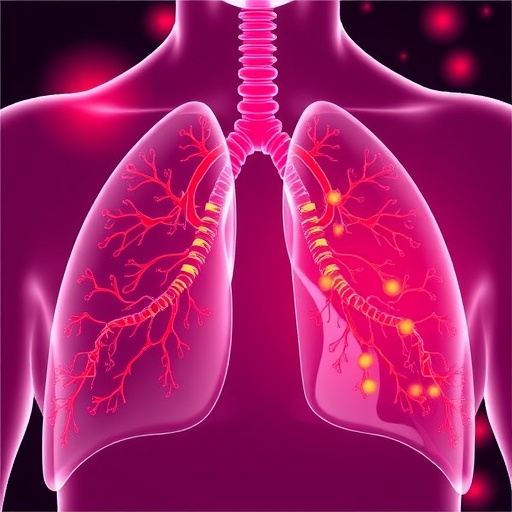
In a groundbreaking study published in the Journal of Cancer Research and Clinical Oncology, researchers led by J. Taugner and collaborators have uncovered crucial insights into the complex interactions between immune checkpoint inhibitors and chemoradiotherapy in patients with inoperable stage III non-small cell lung cancer (NSCLC). This research holds significant promise for improving treatment outcomes in a patient population that has traditionally faced grim prognoses.
The study focuses on the effects of immune checkpoint inhibitors, a class of drugs that have revolutionized oncology by unleashing the immune system’s ability to fight cancer. These drugs target specific proteins on immune cells and cancer cells, effectively enhancing the immune response against tumor growth. When combined with chemoradiotherapy, a simultaneous application of chemotherapy and radiation, the implications are profound. The study’s findings suggest that this combination alters traditional patterns of cancer recurrence and progression, which could reshape treatment protocols moving forward.
Researchers meticulously analyzed clinical data from patients who received simultaneous chemoradiotherapy and immune checkpoint inhibitors. They discovered that the treatment greatly influenced where and how the cancer recurred. Unlike previous models predicting cancer failure based on the tumor’s initial size and location, this new data shows a nuanced array of recurrence patterns that demand further exploration to understand their biological underpinnings. By identifying these shifts in tumor behavior, medical practitioners can tailor follow-up strategies and monitoring efforts accordingly.
The implications of these findings are vast and multifaceted. First, the alteration of recurrence patterns means that physicians must reevaluate their criteria for assessing a patient’s continued risk post-therapy. In essence, the old adage of “where there’s smoke, there’s fire” may not apply as cleanly to this new treatment landscape. New guidelines may well emerge from these data, advocating for innovative imaging studies and monitoring strategies that account for the unique recurrences associated with this combined approach.
Notably, the study explored not just the location but also the nature of relapsed tumors, examining whether they displayed different genetic or histological characteristics. The researchers discovered remarkable heterogeneity among the relapse cases, indicating that the biology driving earlier tumors might diverge significantly as a consequence of treatment. Such insights underscore the dynamic nature of tumor evolution in response to therapies and highlight the potential for developing personalized treatment plans based on individual tumor behavior.
Moreover, an important angle to the study was the investigation into the immune environment of tumors following combined therapy. The immune profile was markedly different post-treatment, suggesting that the chemotherapy and radiation had altered the tumor microenvironment in a way that affected immune cell infiltration and activity. This observation raises pivotal questions about how these external changes to the tumor habitat could be harnessed to improve patient outcomes further and potentially how to combine other modalities, such as targeted therapies, to enhance the immune response.
The researchers also delved into the timing and sequencing of treatments. Traditionally, chemoradiotherapy has been administered either sequentially or concurrently without a clear understanding of how these modalities could be maximized when administered alongside immune checkpoint inhibitors. The study’s findings suggest that the treatment sequence may influence the immune response and the likelihood of tumor recurrence, opening the door for innovative clinical trials designed to test the optimal strategies. Future studies will likely need to focus on this aspect to delineate the best approaches that give patients the most significant advantage in their fight against NSCLC.
Patient selection also emerged as a crucial point of discussion. The findings suggest that not all patients with inoperable stage III NSCLC may benefit similarly from the inclusion of immune checkpoint inhibitors. The study indicated that various biomarker profiles could predict responsiveness to this combination therapy, reinforcing the idea that personalized medicine is essential in oncology. Identifying which specific patients would reap the most benefit from this treatment paradigm could lead to better-tailored interventions, maximizing efficacy while minimizing unnecessary exposure to potent therapies.
Furthermore, the study considered the adverse effects associated with this combination therapy. Combining immune checkpoint inhibition with chemoradiotherapy does not come without its challenges; side effects can be compounded, leading to increased morbidity rates. The understanding of how these new recurrence patterns relate to adverse effects will be critical in informing safer therapeutic practices. Clinicians will need to navigate these potential pitfalls carefully to maintain a balance between maximizing treatment benefits and minimizing harmful effects.
As we stand on the cusp of this new phase in lung cancer treatment, it is evident that further research is critically needed. The current study serves as a stepping stone toward understanding the complex interplay between various treatment modalities and tumor behavior. The quest for knowledge will not only advance the scientific community’s understanding of tumor resistance and recurrence but also fundamentally improve patient care, survival outcomes, and quality of life.
In conclusion, this pivotal research highlights the importance of integrating immune checkpoint inhibitors into the treatment landscape for inoperable stage III NSCLC patients. The study’s findings prompt a reevaluation of traditional paradigms surrounding cancer recurrence and progression following treatments, advocating for a more nuanced approach to patient management. As we delve deeper into the molecular mechanisms underpinning these changes, we strengthen the path toward a future where personalization in cancer care is the norm rather than the exception.
The integration of immunotherapy into conventional treatment pathways represents a paradigm shift in oncology. Researchers and clinicians are encouraged to consider the broader implications of these findings, particularly how they inform current treatment protocols and future research ventures. As we move forward, there lies an extraordinary opportunity to innovate and refine therapeutic strategies that truly harness the power of the immune system in the fight against cancer.
These groundbreaking insights open new avenues for research, treatment development, and patient care, setting the stage for a more promising future for individuals burdened by inoperable stage III non-small cell lung cancer. As we continue to tease apart the complexities of cancer treatment, it is clear that a collaborative, multidisciplinary approach will be critical in conquering this formidable disease.
Taugner, J., Stamer, S., Hofstetter, K. et al. Immune checkpoint inhibition alters patterns of failure in inoperable stage III non-small cell lung cancer patients treated with chemoradiotherapy.
J Cancer Res Clin Oncol 151, 313 (2025). https://doi.org/10.1007/s00432-025-06355-y
Cite Scienmag News
Nathaniel Bowman. (November 2, 2025). Immune Checkpoint Inhibition Shifts Failure Patterns in Lung Cancer. Scienmag. https://scienmag.com/immune-checkpoint-inhibition-shifts-failure-patterns-in-lung-cancer/
Nathaniel Bowman. "Immune Checkpoint Inhibition Shifts Failure Patterns in Lung Cancer." Scienmag, 2 November 2025, https://scienmag.com/immune-checkpoint-inhibition-shifts-failure-patterns-in-lung-cancer/. Accessed 3 September 2026.
Nathaniel Bowman. "Immune Checkpoint Inhibition Shifts Failure Patterns in Lung Cancer." Scienmag. November 2, 2025. https://scienmag.com/immune-checkpoint-inhibition-shifts-failure-patterns-in-lung-cancer/


