

Wednesday, July 29, 2026
Science
No Result
View All Result
  • Login
  • HOME
  • SCIENCE NEWS
  • CONTACT US
  • HOME
  • SCIENCE NEWS
  • CONTACT US
No Result
View All Result
Scienmag
No Result
View All Result
Home Science News Technology and Engineering

Human milk exosomal miR-144-5p reduces NEC by modulating TLR4/NF-κB

July 29, 2026
in Technology and Engineering
Reading Time: 2 mins read
0
Human milk exosomal miR-144-5p reduces NEC by modulating TLR4/NF-κB

Human milk exosomal miR-144-5p reduces NEC by modulating TLR4/NF-κB

65
SHARES
587
VIEWS
Share on FacebookShare on Twitter
ADVERTISEMENT

Neonatal necrotizing enterocolitis (NEC) remains one of pediatrics’ most devastating intestinal disorders, and safer, mechanism-driven therapies are urgently needed. New findings suggest that tiny vesicles naturally present in human breast milk—exosomes—may offer protection by delivering a specific regulatory microRNA.

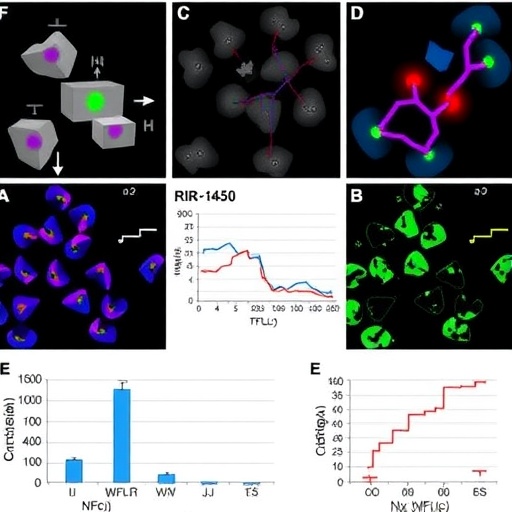
Researchers report that exosomes enriched with miR-144-5p can help restore the intestinal tight junction barrier, a key defense line that collapses during NEC. By focusing on miR-144-5p, the team moves beyond earlier observations that breast milk exosomes can reduce NEC severity and instead pinpoints a molecular cargo likely responsible for part of that benefit.

The study centers on how NEC damages epithelial integrity and promotes inflammatory signaling. Tight junction disruption is associated with increased permeability, bacterial translocation, and worsening inflammation—conditions that accelerate disease progression in vulnerable newborns. The investigators therefore examined whether miR-144-5p could counter these barrier failures in NEC contexts.

Mechanistically, the work links miR-144-5p action to the TLR4/NF-κB pathway, a well-known inflammatory axis. Toll-like receptor 4 (TLR4) senses danger-associated cues and can trigger NF-κB activation, driving transcription of pro-inflammatory mediators. In NEC, exaggerated signaling through this route contributes to tissue injury and impaired repair.

By modulating this cascade, miR-144-5p appears to dampen downstream inflammatory responses while promoting recovery of junctional structure. The paper’s data indicate that exosomal delivery is central: miRNAs packaged within vesicles can be taken up by recipient cells more efficiently than naked RNA, enabling functional gene regulation in target intestinal compartments.

Together, the results support a model in which breast milk exosomal miR-144-5p alleviates NEC by suppressing TLR4-driven NF-κB activation, thereby reducing inflammatory injury and enabling tighter regulation of epithelial junctions. If translated, such a cargo-guided approach could complement existing supportive NEC treatments.

While additional work will be required to confirm efficacy across models and to evaluate safety, the study provides a clear mechanistic roadmap: therapeutic exosomes or miRNA mimics that bias TLR4/NF-κB activity may be a promising strategy for protecting the neonatal gut.

Subject of Research: Neonatal necrotizing enterocolitis (NEC), breast milk-derived exosomes, miR-144-5p, tight junction barrier repair, TLR4/NF-κB signaling.

Article Title: Human milk exosomal-miR-144-5p alleviates neonatal necrotizing enterocolitis by regulating the TLR4/NF-κB pathway.

Article References: Chen, Z., Chen, C., Hu, X. et al. Human milk exosomal-miR-144-5p alleviates neonatal necrotizing enterocolitis by regulating the TLR4/NF-κB pathway. Pediatr Res (2026). https://doi.org/10.1038/s41390-026-05305-9

Image Credits: AI Generated

DOI: 10.1038/s41390-026-05305-9

Keywords:

Tags: breast milk exosomes in neonatal healthexosomal microRNAs in pediatric gastrointestinal diseasesexosome-mediated immune modulationhuman milk exosomal miR-144-5pinflammation and barrier dysfunction in neonatesintestinal tight junction barrier restorationmicroRNA regulation in gut inflammationmicroRNA therapeutic strategies for NECmolecular mechanisms of breast milk benefitsnecrotizing enterocolitis preventionneonatal intestinal epithelial protectiontargeted therapy for neonatal inflammatory disordersTLR4/NF-κB inflammatory pathway
Share26Tweet16
Previous Post

Prenatal biometry predicts optimal endotracheal tube depth in very low-birthweight infants

Next Post

Maternal Hyperglycemia Drives Offspring mtDNA Release via CaMKIIδ O-GlcNAcylation

Related Posts

Trace Additive Could Help Compostable PLA Plastics Degrade in Backyards
Technology and Engineering

Trace Additive Could Help Compostable PLA Plastics Degrade in Backyards

July 29, 2026
Gene base editing reverses Huntington’s disease in mice
Technology and Engineering

Gene base editing reverses Huntington’s disease in mice

July 29, 2026
Optical methods tackle complex optimization problems faster and more efficiently
Technology and Engineering

Optical methods tackle complex optimization problems faster and more efficiently

July 29, 2026
KAIST AI Uncovers Its Hidden Weaknesses, Making Generative Models Safer
Technology and Engineering

KAIST AI Uncovers Its Hidden Weaknesses, Making Generative Models Safer

July 29, 2026
Tire Microplastics Could Speed Up Antibiotic Resistance Spread in Cities
Technology and Engineering

Tire Microplastics Could Speed Up Antibiotic Resistance Spread in Cities

July 29, 2026
Study Finds Pediatric Residents Lacking Core Bag-Mask Ventilation Skills
Technology and Engineering

Study Finds Pediatric Residents Lacking Core Bag-Mask Ventilation Skills

July 29, 2026
Next Post
Maternal Hyperglycemia Drives Offspring mtDNA Release via CaMKIIδ O-GlcNAcylation

Maternal Hyperglycemia Drives Offspring mtDNA Release via CaMKIIδ O-GlcNAcylation

  • Mothers who receive childcare support from maternal grandparents show more

    Mothers who receive childcare support from maternal grandparents show more parental warmth, finds NTU Singapore study

    27656 shares
    Share 11059 Tweet 6912
  • University of Seville Breaks 120-Year-Old Mystery, Revises a Key Einstein Concept

    1061 shares
    Share 424 Tweet 265
  • Bee body mass, pathogens and local climate influence heat tolerance

    682 shares
    Share 273 Tweet 171
  • Researchers record first-ever images and data of a shark experiencing a boat strike

    546 shares
    Share 218 Tweet 137
  • Groundbreaking Clinical Trial Reveals Lubiprostone Enhances Kidney Function

    531 shares
    Share 212 Tweet 133
Science

Embark on a thrilling journey of discovery with Scienmag.com—your ultimate source for cutting-edge breakthroughs. Immerse yourself in a world where curiosity knows no limits and tomorrow’s possibilities become today’s reality!

RECENT NEWS

  • Phage Hijacks Bacterial DNA Phosphorothioate Machinery to Evade Ssp Defenses
  • Study shows experience reorganizes content-specific memory traces in macaques
  • Psychological Research Rises in U.S. Policy Documents on Education, Health, Justice
  • Widespread Tropical Cyclones During the Late Paleozoic Ice Age

Categories

  • Agriculture
  • Anthropology
  • Archaeology
  • Athmospheric
  • Biology
  • Biotechnology
  • Blog
  • Bussines
  • Cancer
  • Chemistry
  • Climate
  • Earth Science
  • Editorial Policy
  • Marine
  • Mathematics
  • Medicine
  • Pediatry
  • Policy
  • Psychology & Psychiatry
  • Science Education
  • Social Science
  • Space
  • Technology and Engineering

Subscribe to Blog via Email

Enter your email address to subscribe to this blog and receive notifications of new posts by email.

Join 5,147 other subscribers

© 2025 Scienmag - Science Magazine

Welcome Back!

Login to your account below

Forgotten Password?

Retrieve your password

Please enter your username or email address to reset your password.

Log In
No Result
View All Result
  • HOME
  • SCIENCE NEWS
  • CONTACT US

© 2025 Scienmag - Science Magazine

Discover more from Science

Subscribe now to keep reading and get access to the full archive.

Continue reading
