


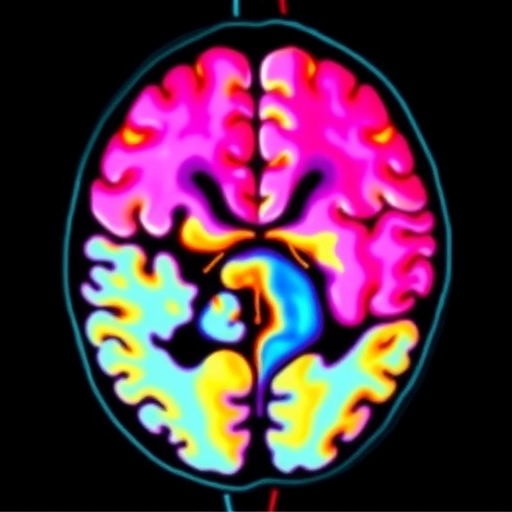
In a groundbreaking study set to redefine the neurological understanding of Parkinson’s disease, researchers have unveiled a compelling link between untreated, newly diagnosed Parkinson’s disease and hippocampal atrophy exacerbated by coexisting obstructive sleep apnea (OSA). This emerging evidence, published in the prestigious journal npj Parkinson’s Disease, spotlights an alarming convergence of two common medical conditions and their profound impact on brain structure, potentially altering future diagnostic and therapeutic strategies.
Parkinson’s disease (PD) is traditionally characterized by motor symptoms such as tremors, rigidity, and bradykinesia, primarily driven by dopaminergic neuron degeneration in the substantia nigra. However, recent scientific inquiry increasingly unveils the significance of non-motor symptoms and associated cerebral changes, particularly within memory-critical regions like the hippocampus. The hippocampus, renowned for its central role in learning and memory consolidation, appears vulnerable in early stages of PD, but the underlying factors influencing its degeneration remained elusive until now.
The study, led by Burdová, Růžička, Mana, and colleagues, scrutinized a cohort of untreated, de novo PD patients presenting with OSA—a sleep disorder marked by repeated airway obstruction during sleep, causing intermittent hypoxia and sleep fragmentation. Using advanced neuroimaging techniques, including high-resolution MRI volumetric analyses, the researchers meticulously quantified hippocampal volumes, revealing significant atrophy in patients harboring both conditions compared to PD patients without OSA and healthy controls.
OSA’s role in exacerbating hippocampal shrinkage emerges as a crucial finding. Intermittent hypoxia generated by obstructive events during sleep leads to oxidative stress, neuroinflammation, and impaired cerebral perfusion, all detrimental to neuronal health. When superimposed over the neurodegenerative milieu of Parkinson’s disease, these effects converge synergistically, accelerating hippocampal vulnerability. This intersection suggests that OSA not only impairs sleep quality but actively worsens neurodegeneration, potentially hastening cognitive decline.
The implications of untreated OSA in newly diagnosed PD patients extend beyond hippocampal volume loss. Cognitive dysfunction—including deficits in memory, executive function, and attention—is frequently reported early in Parkinson’s disease. The presence of OSA may magnify these deficits, creating a dual pathogenic pathway that challenges clinicians striving for timely diagnosis and appropriate management. This evidence underscores the critical necessity for early screening and intervention for sleep disorders within the Parkinson’s population.
Delving deeper into the neuropathological mechanisms, the study proposes that hypoxia-triggered neuroinflammation plays an essential role. Repeated oxygen desaturation stimulates microglial activation, the brain’s intrinsic immune response, fostering a pro-inflammatory state which, compounded with alpha-synuclein aggregation characteristic of PD, accentuates neuronal loss. Moreover, sleep fragmentation disrupts neuroplasticity, interfering with hippocampal-dependent memory encoding and repair processes.
The patient cohort analysis took careful account of confounding variables, including age, disease duration, and medication status, focusing exclusively on de novo PD individuals without prior treatment. This approach isolates the direct influence of OSA on early hippocampal changes, free from pharmacological effects known to alter brain structure or function. The study’s rigorous methodology and clinical relevance set a benchmark for future neurodegenerative research intersecting with sleep disorders.
Importantly, this research highlights the critical window of opportunity for therapeutic intervention. Continuous positive airway pressure (CPAP) therapy, the gold standard treatment for OSA, has been shown in other contexts to mitigate hypoxia-induced brain injury and improve cognitive outcomes. The authors suggest that incorporating sleep disorder management into the initial PD treatment paradigm could potentially slow hippocampal atrophy and preserve cognitive function, although longitudinal studies are needed to confirm causality and long-term benefits.
The revelation that hippocampal atrophy is evident even in untreated, early-stage Parkinson’s disease patients with OSA challenges previous assumptions that neurodegeneration is localized solely to dopaminergic circuits in the basal ganglia. Instead, it paints a more intricate picture of PD involving widespread brain regions influenced by systemic factors such as sleep-disordered breathing. This broader understanding may recalibrate how neurologists conceptualize PD progression and comorbidity management.
Furthermore, this intersection of PD and OSA expands the narrative around modifiable risk factors influencing neurodegeneration. Given the high prevalence of OSA in the aging population and its underdiagnosis, clinicians are urged to maintain vigilance for sleep complaints among PD patients and utilize polysomnography or portable sleep monitoring where indicated. Early identification and management could become a cornerstone in mitigating hastened cognitive deterioration associated with this synergy.
The multidisciplinary nature of this research, bridging neurology, sleep medicine, neuroimaging, and neuroinflammation, exemplifies the collaborative approach required to unravel complex neurodegenerative diseases. The authors advocate for integrated care models combining neurologists, pulmonologists, and neuropsychologists to holistically address the multifaceted needs of Parkinson’s patients, particularly those burdened with comorbid sleep apnea.
This seminal study also beckons further inquiry into potential biomarkers that could reliably track hippocampal atrophy progression in PD patients with OSA, facilitating personalized medicine strategies. Advances in molecular imaging, cerebrospinal fluid analysis, and genetic profiling might provide additional insights into vulnerabilities and therapeutic targets, accelerating translational interventions.
In summary, the compelling evidence presented by Burdová et al. unveils a concerning but actionable biological intersection between untreated Parkinson’s disease and obstructive sleep apnea. This convergence leads to significant hippocampal atrophy in de novo cases, presaging cognitive challenges that could profoundly affect patient quality of life. With these findings, the clinical community faces an urgent call to incorporate sleep disorder screening and treatment into early PD management, aiming to preserve brain health and delay neurodegenerative progression.
As our comprehension of PD evolves from a motor-centric disorder to a multisystemic disease influenced by systemic conditions like OSA, this study sets a precedent for the holistic management of neurodegenerative diseases. It illuminates the necessity of looking beyond classical neuropathology, embracing the intricate web of comorbidities and pathophysiological processes that ultimately sculpt patient outcomes and therapeutic success.
The ramifications of this research extend to healthcare policy, potentially informing guidelines on routine sleep assessment in Parkinsonian syndromes and advocating for funding towards comprehensive care models. It also serves as a clarion call for patients and caregivers to recognize and address sleep disturbances early, empowering more proactive disease management.
Future research is poised to explore whether interventions mitigating sleep apnea can directly translate into slowed hippocampal degeneration and improved cognitive trajectories in Parkinson’s disease. Unlocking these connections could pave the way for innovative therapeutic avenues, integrating respiratory health with neuroprotection in a rapidly aging global population.
The intersection of neurodegeneration and sleep medicine forged by this study not only advances scientific understanding but also fosters hope for improved clinical outcomes through timely, multidisciplinary interventions. As Parkinson’s disease continues to challenge medicine with its complexity, insights such as these are vital stepping stones toward more effective, personalized care.
Cite Scienmag News
Cassandra Pierce. (May 5, 2026). Hippocampal Atrophy in Untreated Parkinson’s with Sleep Apnea. Scienmag. https://scienmag.com/hippocampal-atrophy-in-untreated-parkinsons-with-sleep-apnea/
Cassandra Pierce. "Hippocampal Atrophy in Untreated Parkinson’s with Sleep Apnea." Scienmag, 5 May 2026, https://scienmag.com/hippocampal-atrophy-in-untreated-parkinsons-with-sleep-apnea/. Accessed 4 September 2026.
Cassandra Pierce. "Hippocampal Atrophy in Untreated Parkinson’s with Sleep Apnea." Scienmag. May 5, 2026. https://scienmag.com/hippocampal-atrophy-in-untreated-parkinsons-with-sleep-apnea/


