


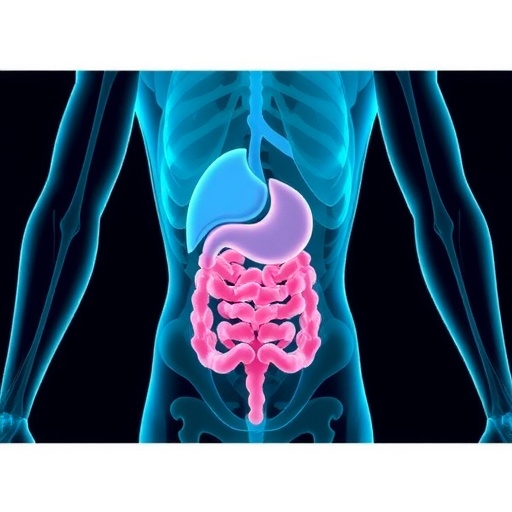
Nanoparticle-based chemotherapy may work better when paired with the right gut microbiome, according to a new preclinical study from researchers at The University of Texas MD Anderson Cancer Center. The team found that gut bacteria can influence how rapidly the liver removes nanomedicines from the bloodstream—and that temporarily reshaping those bacteria allowed chemotherapy nanoparticles to circulate for roughly twice as long, accumulate more efficiently in tumors and improve survival in several animal models.
The study, published in Nature Materials, identifies a previously underappreciated connection between the gut microbiome, bile acid chemistry and drug distribution. Nanoparticle medicines are designed to protect therapeutic compounds and deliver them to tumors, but their effectiveness is often limited by the body’s clearance systems. In particular, specialized immune cells called Kupffer cells, located in the liver, can rapidly capture and remove drug-carrying particles before they reach malignant tissue.
“Most of the therapy never reaches the tumor because immune cells in the liver aggressively clear the drug particles from the body,” the researchers explained. This process, known as hepatic clearance, is a major pharmacokinetic barrier for liposomes, albumin-bound particles and other nanoscale drug carriers. Although scientists have spent decades modifying particle size, surface chemistry and composition to avoid liver uptake, the new findings suggest that the biological state of the host may be equally important.
The researchers focused on the chemical signals exchanged between intestinal microbes and the liver. Gut bacteria transform bile acids, molecules produced by the liver that aid digestion, into a diverse collection of secondary bile acids. These compounds can circulate through the body and influence receptors on immune and metabolic cells, including Kupffer cells. The study indicates that this microbiome–bile acid pathway helps determine whether liver macrophages remain highly active or enter a quieter state that is less efficient at removing nanoparticles.
In the preclinical experiments, animals received a short course of metronidazole, a commonly used antibiotic that altered the composition of their gut microbiota. The treatment reduced specific microbial populations and lowered bile acid signals associated with aggressive Kupffer-cell activity. As the liver’s particle-clearing response declined, nanoparticle-based chemotherapy remained in circulation for approximately twice as long. The extended exposure increased the probability that drug carriers would pass through tumor blood vessels and accumulate within cancerous tissue.
The consequences were observed across models of colon, breast, melanoma and pancreatic cancers. Animals receiving the microbiome-modulating intervention showed greater nanoparticle accumulation in tumors, slower tumor growth and prolonged survival compared with untreated controls. The researchers emphasized that the effect was not simply the result of metronidazole remaining in the body and directly altering the tumors. Instead, the evidence pointed to a persistent biological change in the microbial community.
To test that conclusion, the team performed fecal microbiota transplantation. Microbial communities from antibiotic-treated donors were transferred into germ-free recipient animals. Laboratory testing found no detectable metronidazole in the transferred material, yet the recipients developed the same enhanced drug-delivery pattern. Their tumors accumulated more nanomedicine, demonstrating that the altered microbiome itself could transmit the pharmacokinetic effect between hosts.
Additional experiments indicated that the immune system was not the primary explanation for the improved response. Earlier work by researchers at MD Anderson and its Platform for Innovative Microbiome and Translational Research has shown that gut microbes can strengthen immunotherapy by stimulating antitumor immune activity. In the new study, however, the microbiome appeared to improve chemotherapy mainly by changing where the drug traveled and how long it remained available, rather than by directly activating immune cells to attack cancer.
The findings could open a new direction for nanomedicine development, but they do not yet establish a treatment for patients. Antibiotics can cause broad and sometimes harmful changes to the microbiome, promote antimicrobial resistance and produce side effects that may complicate cancer care. The researchers therefore envision more selective strategies, including defined microbial consortia, narrowly targeted microbiome interventions or therapies designed to reproduce the relevant bile acid signals without broadly depleting intestinal bacteria.
The study also raises the possibility that a patient’s microbial profile or bile acid signature could help predict how efficiently their liver will clear nanoparticle chemotherapy. Such biomarkers might eventually identify patients most likely to benefit from microbiome-directed co-treatment. For now, the work reframes chemotherapy delivery as a three-way interaction involving the drug, the tumor and the host’s microbial ecosystem. Rather than treating hepatic clearance as a fixed barrier, future cancer therapies may seek to tune the gut–liver axis so that more medicine survives long enough to reach its intended target.
News Publication Date: 31-Jul-2026
Web References: Nature Materials: https://www.nature.com/articles/s41563-026-02690-8 ; University of Texas MD Anderson Cancer Center: https://www.mdanderson.org/
References: DOI: 10.1038/s41563-026-02690-8
Cite Scienmag News
Nathaniel Bowman. (July 31, 2026). Gut microbiome changes may improve chemotherapy delivery to tumors. Scienmag. https://scienmag.com/gut-microbiome-changes-may-improve-chemotherapy-delivery-to-tumors/
Nathaniel Bowman. "Gut microbiome changes may improve chemotherapy delivery to tumors." Scienmag, 31 July 2026, https://scienmag.com/gut-microbiome-changes-may-improve-chemotherapy-delivery-to-tumors/. Accessed 3 September 2026.
Nathaniel Bowman. "Gut microbiome changes may improve chemotherapy delivery to tumors." Scienmag. July 31, 2026. https://scienmag.com/gut-microbiome-changes-may-improve-chemotherapy-delivery-to-tumors/


