


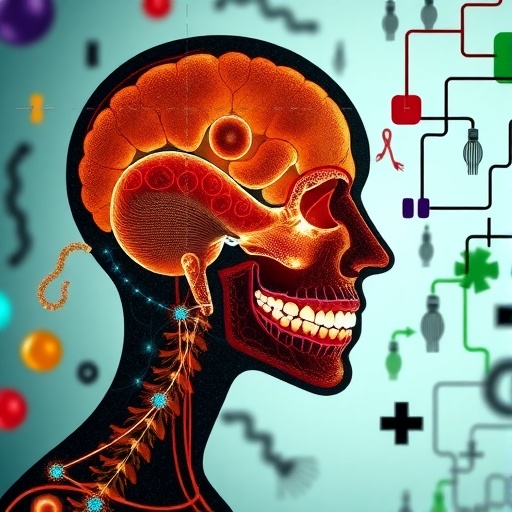
A new study has reported an association between the microorganisms living in the human gut and mouth and traits linked to psychopathic personality. Published in Translational Psychiatry, the cross-sectional research by Costa, Radford-Smith, Figueiredo and colleagues adds to a rapidly expanding body of work investigating whether the microbiome—the vast ecosystem of bacteria and other microorganisms found throughout the body—may be connected to behaviour, emotion and mental health.
The findings do not suggest that particular microbes “cause” psychopathy, nor do they provide a biological test for identifying people with psychopathic traits. Instead, the study indicates that differences in microbial community composition are statistically associated with variation in personality characteristics. That distinction is crucial. A cross-sectional study examines people at a single point in time, allowing researchers to detect relationships but not determine which factor came first or whether one directly influences the other.
Psychopathic personality is generally discussed in terms of traits such as reduced empathy, limited guilt, interpersonal manipulation, emotional detachment and impulsive or antisocial behaviour. These characteristics exist along a spectrum and should not be treated as a simple label separating people into “psychopathic” and “non-psychopathic” categories. Personality is shaped by many interacting influences, including genetics, early development, social environment, stress, physical health and life experience.
The microbiome has emerged as a possible biological contributor to this complex network. Microorganisms in the intestine can produce metabolites—small chemical compounds generated during the breakdown of food and other substances—that interact with immune cells, the nervous system and hormone pathways. Some microbial products can influence inflammation, energy metabolism and signalling along the gut-brain axis, the two-way communication system linking the digestive tract and the brain through neural, endocrine and immune routes.
The mouth may offer a second, and often overlooked, window into this biology. Oral bacteria are continuously swallowed and can influence the microbial environment of the digestive tract. Changes in oral communities have also been associated with inflammation and systemic health conditions. By examining both gut and oral microbiota, the researchers address a broader biological landscape than studies focused on intestinal bacteria alone, potentially revealing whether behavioural associations extend across interconnected microbial habitats.
Microbiota composition refers not only to which organisms are present, but also to their relative abundance and the structure of the wider community. Two people can host many of the same bacterial species while having markedly different proportions of those organisms. Those differences may affect the chemical products generated by the community. However, identifying a pattern in microbial composition does not automatically reveal its biological meaning. The same microbial shift can be influenced by diet, medication, sleep, smoking, oral hygiene, gastrointestinal conditions, alcohol use and socioeconomic circumstances.
That complexity makes the study an important starting point rather than a final explanation. If microbial differences are repeatedly observed in association with psychopathic traits, future research could investigate the mechanisms involved by measuring inflammation, microbial metabolites, immune activity and brain function at the same time. Longitudinal studies, which follow participants over months or years, would be better positioned to determine whether microbiome changes precede changes in behaviour, follow them, or simply reflect shared environmental influences.
Experimental research will also be needed before anyone can consider clinical applications. Animal studies, laboratory experiments and carefully controlled human trials could test whether altering microbial communities changes relevant biological or behavioural outcomes. Potential interventions might include dietary changes, targeted probiotics, prebiotics or other microbiome-based approaches, but none should be interpreted as established treatments for psychopathic personality on the basis of an association alone.
The research arrives as scientists increasingly reconsider the boundaries between mental and physical health. The brain does not operate in isolation from the immune system, metabolism or the microorganisms that inhabit the body. Yet the popularity of microbiome research has also created a risk of exaggerated claims, especially online, where a correlation can quickly become a viral headline about bacteria controlling personality. The responsible interpretation is more measured: this study identifies a possible biological relationship that deserves deeper investigation.
For now, the central message is that microbial ecology may be one piece of a much larger puzzle surrounding human personality and behaviour. The findings do not reduce complex traits to bacteria, and they do not justify diagnosing individuals from microbiome profiles. They instead point toward a future in which psychology, psychiatry, neuroscience, immunology and microbial science work together to examine how bodily systems interact. As the evidence develops, the most valuable discoveries will come from research that combines biological detail with careful attention to development, environment and individual experience.
Cite Scienmag News
Morgan Morrow. (August 7, 2026). Gut and oral microbiome composition linked to psychopathic personality in cross-sectional study. Scienmag. https://scienmag.com/gut-and-oral-microbiome-composition-linked-to-psychopathic-personality-in-cross-sectional-study/
Morgan Morrow. "Gut and oral microbiome composition linked to psychopathic personality in cross-sectional study." Scienmag, 7 August 2026, https://scienmag.com/gut-and-oral-microbiome-composition-linked-to-psychopathic-personality-in-cross-sectional-study/. Accessed 3 September 2026.
Morgan Morrow. "Gut and oral microbiome composition linked to psychopathic personality in cross-sectional study." Scienmag. August 7, 2026. https://scienmag.com/gut-and-oral-microbiome-composition-linked-to-psychopathic-personality-in-cross-sectional-study/


