


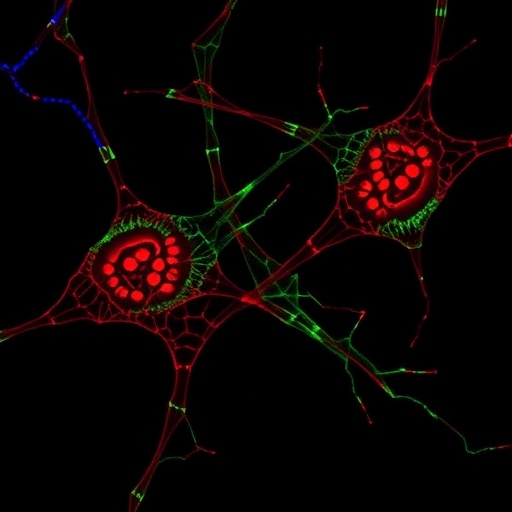
In a groundbreaking study published in the Journal of Translational Medicine, researchers have unveiled the potential of Ginsenoside Rh2 as a novel inhibitor of the protein PIN1, a discovery that could significantly alter how non-small cell lung cancer (NSCLC) is approached and treated. The investigative team led by Liu et al. provides compelling evidence that Rh2 not only inhibits the growth of cancer cells but also disrupts characteristics commonly associated with cancer stem cells. With NSCLC being one of the leading causes of cancer-related mortality globally, this research has pivotal implications for future therapeutic strategies.
Ginsenoside Rh2, a natural compound derived from ginseng, has been the subject of increasing scientific interest due to its medicinal properties. Previous studies have indicated its anti-cancer effects, but this recent work takes a bold step further by examining its mechanism of action in detail. The study highlights how Rh2 intervenes in the signaling pathways of cancer cells, suggesting a multifaceted approach to targeting their growth and survival. This research may pave the way for novel treatment regimens that incorporate natural compounds to enhance conventional cancer therapies.
The role of the protein PIN1 in cancer has garnered attention in recent years. It regulates various cellular processes including cell cycle progression, apoptosis, and transcriptional regulation. In this context, the overexpression of PIN1 has been associated with the aggressive behavior of many cancers, including NSCLC. By inhibiting PIN1, Rh2 could theoretically reverse some of the malignancy associated with this disease, leading to either decreased tumor growth or improved response to existing treatments, thereby improving patient outcomes.
One of the standout findings of this research is how Ginsenoside Rh2 effectively disrupts the so-called cancer stem cell-like phenotype. Cancer stem cells are notorious for their role in tumor initiation, propagation, and resistance to therapies, making them a crucial target in cancer treatment. The ability of Rh2 to attenuate these stem-cell-like features presents a major advancement in the fight against NSCLC. By targeting the root of cancer cell hierarchies, this therapy holds the promise of eradicating tumors more efficiently than conventional methods.
Moreover, understanding the pathway by which Rh2 influences PIN1 activity opens new doors for future research. The study employed various experimental methodologies including cell viability assays and gene expression analyses, shedding light on the cellular machinery involved. Researchers employed both in vitro and in vivo models to validate the inhibitory effects of Rh2, a necessary approach to translate laboratory findings into potential clinical applications.
The importance of phytochemicals like Ginsenoside Rh2 in contemporary cancer therapy cannot be overstated. With an increasing body of literature supporting their use, there is a growing movement within the scientific community to explore herbal medicines as complementary or alternative therapies alongside conventional treatments. This approach could lead to a more holistic understanding of cancer management that harnesses the strengths of both traditional and modern medicine.
The implications of this study extend beyond just NSCLC. The mechanisms elucidated may also be applicable to other cancers where PIN1 is a contributing factor. Thus, the therapeutic potential of Ginsenoside Rh2 could be expanded to include various malignancies, offering hope to patients with diverse cancer types. The intricate interplay between natural compounds and biological systems compels researchers to think broadly about treatment possibilities, marking a significant shift in oncology.
Furthermore, the research underscores the importance of interdisciplinary collaboration in medical research. The team comprised molecular biologists, pharmacologists, and oncologists, pooling their expertise to tackle a pressing issue. Collaborative research efforts are essential in advancing our understanding of complex diseases and developing effective therapies. This multifaceted approach exemplifies how combining different scientific disciplines can yield breakthroughs that one field alone might not achieve.
As this research gains traction, clinical trials will be necessary to establish the safety and efficacy of Ginsenoside Rh2 in human patients. It is crucial that the findings observed in laboratory settings are replicated in clinical populations to ensure that adjunctive therapies like Rh2 can be seamlessly integrated into current treatment paradigms. The rigorous testing phases will play a vital role in moving this compound closer to clinical use, providing another arsenal against NSCLC.
In conclusion, the research authored by Liu and colleagues represents a significant stride forward in understanding the interplay between natural compounds and cancer biology. The identification of Ginsenoside Rh2 as a novel PIN1 inhibitor introduces a new therapeutic avenue for managing NSCLC, a malignancy that has long challenged oncologists. As researchers continue to dissect the nuances of this compound’s mechanism of action, the contributions it may make to cancer treatment could be transformative.
The battle against lung cancer remains daunting, but innovations like those presented in this study offer hope for more effective and compassionate care options. By leveraging the strengths of natural compounds, researchers are not only expanding the boundaries of cancer treatment but also redefining the possibilities for patient recovery. As we await further developments, let us remain optimistic about the future of cancer therapy that embraces both conventional methods and the powerful potential of the natural world.
Cite Scienmag News
Nathaniel Bowman. (November 11, 2025). Ginsenoside Rh2: A Novel PIN1 Inhibitor Against Cancer Stem Cells. Scienmag. https://scienmag.com/ginsenoside-rh2-a-novel-pin1-inhibitor-against-cancer-stem-cells/
Nathaniel Bowman. "Ginsenoside Rh2: A Novel PIN1 Inhibitor Against Cancer Stem Cells." Scienmag, 11 November 2025, https://scienmag.com/ginsenoside-rh2-a-novel-pin1-inhibitor-against-cancer-stem-cells/. Accessed 3 September 2026.
Nathaniel Bowman. "Ginsenoside Rh2: A Novel PIN1 Inhibitor Against Cancer Stem Cells." Scienmag. November 11, 2025. https://scienmag.com/ginsenoside-rh2-a-novel-pin1-inhibitor-against-cancer-stem-cells/


