


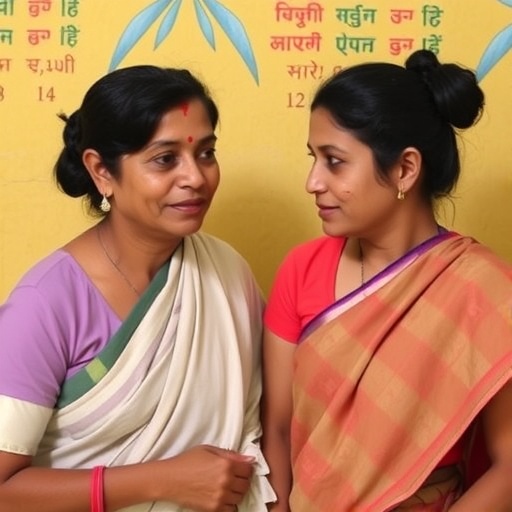
In the sprawling urban slums of Dhaka, Bangladesh, a groundbreaking qualitative study has unveiled profound gender disparities in the treatment and management of type 2 diabetes. This research sheds light on the intricacies of how socioeconomic and cultural factors intertwine with healthcare access and disease management in one of the world’s most densely populated and under-resourced regions. The study meticulously explores the lived experiences of men and women grappling with type 2 diabetes, offering critical insights into the barriers and facilitators that shape health outcomes in these marginalized communities.
Type 2 diabetes, a chronic metabolic disorder characterized by insulin resistance and impaired glucose regulation, poses a significant global health challenge, with its prevalence soaring in low- and middle-income countries. Urban slums, typified by overcrowding, poor sanitation, and limited healthcare infrastructure, present unique challenges for managing chronic diseases. This study focuses on Dhaka’s urban slums, where residents face acute vulnerabilities due to poverty, limited education, and gendered social norms, creating an environment where effective diabetes management becomes exceedingly difficult.
One of the pivotal findings of the study is the marked gender differences in access to diabetes treatment and management strategies. Women in these communities often encounter compounded obstacles, including restricted mobility, lower health literacy, and societal expectations that prioritize family care over personal health. These gender-specific barriers hinder timely diagnosis, regular monitoring, and adherence to recommended treatment regimens, ultimately exacerbating disease progression and complications among female patients.
The qualitative methodology employed involved in-depth interviews and focus group discussions with both male and female participants diagnosed with type 2 diabetes. This approach enabled researchers to capture nuanced perspectives on personal health beliefs, healthcare-seeking behaviors, and social support systems. Through thematic analysis, the study uncovered that men, despite facing their own challenges, generally reported greater autonomy in making healthcare decisions, better access to financial resources for medications, and more frequent engagement with healthcare providers.
Conversely, women reported being reliant on male family members for transportation and financial support to access clinics, often leading to delays in obtaining care. The intersection of gender and poverty compounds this issue, as women with limited income are less able to afford essential diabetes management tools such as glucometers, insulin, and nutritious food crucial for glycemic control. These disparities echo broader patterns of gender inequity pervasive in resource-limited urban settings and highlight the urgent need for targeted interventions.
Cultural expectations also play a vital role in shaping diabetes management. In the Dhaka slums, women’s roles are predominantly centered around household responsibilities, which limits the time and energy they can allocate to self-care. Moreover, dietary restrictions within the family, often influenced by male preferences, impede women’s ability to adhere to diabetes-friendly diets. Such cultural dynamics create a feedback loop, where disease management is deprioritized, leading to poor health outcomes.
The study further identifies stigma associated with chronic illness, which is differently experienced by men and women. Women tend to internalize stigma more deeply, perceiving diabetes as a personal failing or a source of shame that discourages open discussion or seeking help. Men, while facing stigma related to perceived weakness, more frequently access peer support networks, which can facilitate better coping mechanisms. These psychosocial aspects substantively impact treatment adherence and mental health among diabetic patients.
Health system factors exacerbate these gender disparities. Public clinics serving slum populations are often understaffed and under-resourced, offering limited diabetes education and support services. The lack of gender-sensitive approaches in healthcare delivery means that women’s specific needs—such as flexible clinic hours accommodating their household duties—are unmet. Men, with fewer caregiving responsibilities, can navigate the healthcare system more freely, reinforcing inequities.
The urban slum environment itself introduces additional challenges. Overcrowded living conditions and limited access to clean water and sanitation increase vulnerability to infections and complicate diabetes management. This context necessitates tailored public health strategies that integrate social determinants of health into chronic disease management programs. The study advocates for community-based interventions that empower women through education, peer support groups, and improved healthcare accessibility.
Importantly, the research highlights the potential of community health workers (CHWs) as catalysts for change. CHWs, particularly female workers embedded within these communities, can bridge gaps between healthcare providers and patients. By providing culturally competent education, monitoring, and psychosocial support, CHWs can mitigate gender-related barriers and promote equitable diabetes care. Strengthening such community health infrastructure is critical for sustainable improvements.
Economic considerations emerge as a recurring theme. Household income influences medication adherence, dietary choices, and the ability to engage in physical activity—all crucial components of diabetes management. Women, often lacking independent financial resources, are disproportionately affected. Microfinance programs and economic empowerment initiatives targeting women could indirectly improve health outcomes by enhancing their capacity to manage chronic diseases effectively.
The study also underscores the necessity of policy-level commitments to address gender disparities. Integrating gender-sensitive indicators into health surveillance systems and diabetes programs can guide resource allocation and intervention design. Furthermore, fostering collaborations between governmental agencies, non-governmental organizations, and community groups is essential to create holistic strategies that target the root social determinants impacting diabetes care.
From a technical perspective, the researchers utilized robust qualitative analysis software to code and categorize participant narratives, ensuring methodological rigor. Data triangulation with healthcare provider insights enriched the analysis, offering a comprehensive understanding of systemic challenges. This methodological framework exemplifies best practices in qualitative health equity research, providing a blueprint for similar studies in other marginalized urban populations.
The implications of this research extend beyond Dhaka, resonating with urban slum settings globally where gender inequities undermine chronic disease management. As type 2 diabetes continues to impose a growing burden on healthcare systems, understanding and addressing these gendered nuances is paramount. This study contributes significantly to the dialogue on health equity, highlighting how personalized, context-specific interventions can bridge gaps and promote inclusive health outcomes.
In conclusion, the intricate interplay of gender, socioeconomic status, cultural norms, and health system limitations dictates the divergent experiences of men and women managing type 2 diabetes in Dhaka’s urban slums. Addressing these disparities requires multi-faceted strategies encompassing community engagement, health system reform, economic empowerment, and policy advocacy. This research not only illuminates the challenges but also charts a path forward for equitable diabetes care in some of the world’s most vulnerable populations.
Cite Scienmag News
Courtney Benton. (September 30, 2025). Gender Gaps in Type 2 Diabetes Care in Dhaka. Scienmag. https://scienmag.com/gender-gaps-in-type-2-diabetes-care-in-dhaka/
Courtney Benton. "Gender Gaps in Type 2 Diabetes Care in Dhaka." Scienmag, 30 September 2025, https://scienmag.com/gender-gaps-in-type-2-diabetes-care-in-dhaka/. Accessed 4 September 2026.
Courtney Benton. "Gender Gaps in Type 2 Diabetes Care in Dhaka." Scienmag. September 30, 2025. https://scienmag.com/gender-gaps-in-type-2-diabetes-care-in-dhaka/


