


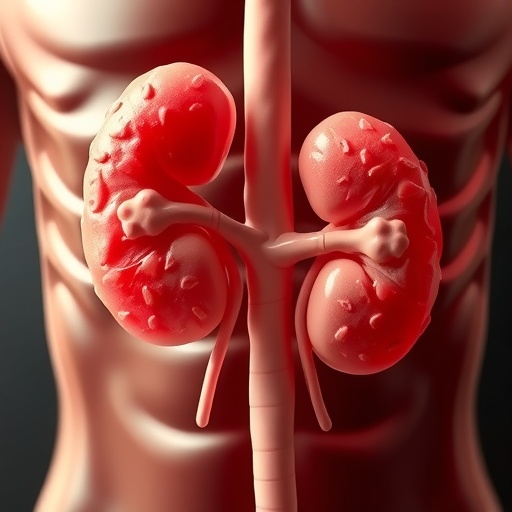
Researchers have long sought effective solutions to mitigate the harmful effects of toxic substances, especially regarding heavy metals. A groundbreaking study led by Abd-Elhakim, Hashem, and Abo-EL-Sooud has unveiled the potential of gallic acid in addressing kidney injuries caused by inorganic arsenic and zinc oxide nanoparticles. These agents, known for their industrial applications, pose significant environmental and health risks. Understanding how gallic acid may counteract these effects could open doors to novel therapeutic approaches.
Inorganic arsenic is a well-documented environmental contaminant linked to various health issues, including acute and chronic kidney damage. The dynamics of arsenic exposure and its impact on kidney function underscore an urgent need for protective strategies. This research focuses on elucidating the biochemical pathways through which gallic acid operates, particularly emphasizing its role in maintaining electrolyte balance and reducing oxidative stress.
The study is particularly noteworthy as it examines the dual role of zinc oxide nanoparticles in exacerbating nephrotoxicity. These nanoparticles, frequently used in cosmetics and sunscreens, raise concerns due to their bioaccumulation potential. The investigation into how gallic acid can alleviate such compounded toxicity forms a crucial aspect of the research, illuminating the interaction between dietary polyphenols and environmental toxins.
Oxidative stress is a central theme in many health conditions, including kidney diseases. This study utilizes gallic acid’s antioxidant properties to highlight how it can effectively counteract oxidative damage. By preventing the formation of free radicals, gallic acid demonstrates its potential for protecting renal cells, which are particularly vulnerable to oxidative injury. The findings offer insight into how dietary interventions could play a significant role in environmental health.
Moreover, the expression of specific proteins, such as Nrf-2 and HSP-90, is critical in cellular defense mechanisms. Gallic acid’s ability to modulate the expression levels of these proteins suggests a multifactorial approach to combatting renal toxicity. By activating Nrf-2, gallic acid enhances the cell’s defense against oxidative stress, thereby contributing to cellular recovery and function.
The methodology employed in the study is rich in detail, presenting a robust experimental design involving controlled administration of the substances in rat models. The thorough approach ensures that the results are not only reliable but also translatable into potential clinical applications. This methodological soundness reinforces the study’s conclusions regarding the protective effects of gallic acid against kidney injuries.
It is also essential to consider the broader implications of this research. The findings may encourage a reevaluation of dietary recommendations concerning antioxidants, particularly in populations at risk of heavy metal exposure. Nutritional strategies leveraging gallic acid could be pivotal in public health initiatives aimed at reducing the impact of environmental toxins on kidney health.
The significance of kidney health cannot be overstated, given its fundamental roles in filtration, electrolyte balance, and waste excretion. As chronic kidney disease (CKD) rises globally, identifying protective compounds becomes increasingly important. This study sheds light on how naturally occurring substances like gallic acid can serve as complementary therapies alongside conventional treatments.
Beyond its immediate health implications, this research may inspire further exploration into the antioxidant properties of other polyphenols. A broader landscape of plant-derived compounds warrants investigation, potentially leading to a suite of natural therapies targeting various forms of toxicity. As researchers continue to uncover the benefits of these compounds, the conversation around preventive medicine and health promotion will enter new territories.
The interplay between toxic exposure and kidney health is particularly pertinent in this era of rapid industrialization and environmental change. Growing awareness of the adverse effects of pollutants accentuates the need for integrated strategies that encompass both prevention and treatment. This study exemplifies how plant-based interventions can play a role in addressing these pressing issues.
Furthermore, the study opens avenues for future research that may involve longer-term studies and different dosages of gallic acid to ascertain the optimum therapeutic potential. The consideration of varying forms of exposure to arsenic and zinc nanoparticles could enrich our understanding of this complex problem. This encourages a multidisciplinary approach, blending toxicology, pharmacology, and nutrition science to develop holistic solutions.
The pursuit of knowledge in this domain not only has implications for individual health but also calls for a broader societal commitment to environmental health. By addressing the links between dietary intake, environmental toxins, and health outcomes, we can foster a more integrated approach to public health policy.
In conclusion, the exploration of gallic acid as a protective agent against kidney injury induced by inorganic arsenic and zinc oxide nanoparticles represents a significant advancement in the realm of toxicology and nephrology. As the research continues to unfold, the potential for practical applications remains vast, inspiring hope for improved health strategies in the context of an increasingly toxic world.
Abd-Elhakim, Y.M., Hashem, M.M.M., Abo-EL-Sooud, K. et al. Gallic acid lessens kidney injury induced by inorganic arsenic and zinc oxide nanoparticles in rats via controlling electrolyte balance, oxidative stress, and Nrf-2 and HSP-90 expression. BMC Pharmacol Toxicol (2025). https://doi.org/10.1186/s40360-025-01044-5
Cite Scienmag News
Ophelia Keating. (November 30, 2025). Gallic Acid Protects Kidneys from Arsenic and Zinc Toxicity. Scienmag. https://scienmag.com/gallic-acid-protects-kidneys-from-arsenic-and-zinc-toxicity/
Ophelia Keating. "Gallic Acid Protects Kidneys from Arsenic and Zinc Toxicity." Scienmag, 30 November 2025, https://scienmag.com/gallic-acid-protects-kidneys-from-arsenic-and-zinc-toxicity/. Accessed 6 September 2026.
Ophelia Keating. "Gallic Acid Protects Kidneys from Arsenic and Zinc Toxicity." Scienmag. November 30, 2025. https://scienmag.com/gallic-acid-protects-kidneys-from-arsenic-and-zinc-toxicity/


