


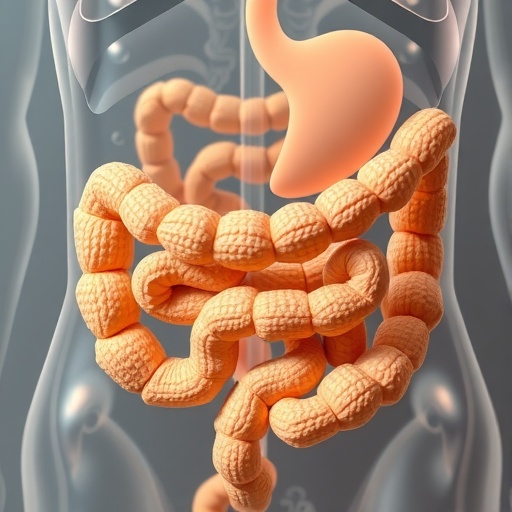
Food allergy researchers at Boston Children’s Hospital have reported early evidence that changing the gut microbiome may increase tolerance to peanuts, offering a potential new strategy for people living with severe and potentially life-threatening reactions. In a small clinical trial, participants who received fecal microbiota transplantation from healthy donors showed signs of improved peanut tolerance months after treatment. The study, led by Rima Rachid, MD, and Talal Chatila, MD, suggests that specific intestinal bacteria may influence the immune system through bile acid metabolism, helping restore the body’s ability to accept food rather than attack it.
Food allergies affect millions of Americans and can impose constant restrictions on daily life. Peanut and tree-nut allergies are among the most dangerous because even tiny exposures can trigger anaphylaxis, a rapid and potentially fatal immune reaction. Existing approaches, including peanut oral immunotherapy and antibody-based medications, can raise the amount of allergen a patient can tolerate. However, protection may diminish when treatment stops, and the therapies themselves can cause allergic reactions. Researchers are therefore searching for treatments that could produce longer-lasting changes in the immune system rather than requiring indefinite exposure or medication.
The new findings build on earlier experiments in mice. In previous work, the Boston Children’s team transferred stool samples from infants with food allergies into allergy-prone mice. Those animals developed severe allergic reactions when exposed to food allergens. By contrast, mice receiving fecal samples from healthy infants were protected from anaphylaxis. The investigators identified several bacterial strains that appeared to provide this protection, pointing to the possibility that the microbiome—the community of microorganisms living in the digestive tract—could play a direct role in oral tolerance.
For the human study, researchers prepared frozen fecal microbiota transplant capsules, informally described as “poop pills,” containing microbes from donors with healthy gut microbiomes and no food allergies. Ten young adults with severe peanut allergies took part. These participants reacted to very small amounts of peanut before treatment, indicating a high risk of serious allergic responses. Each participant initially received 36 capsules over several hours in a one-time treatment. Four months later, three participants were able to consume multiple peanuts during a medically supervised food challenge, suggesting that their reaction threshold had increased.
The investigators then examined whether antibiotics could improve the transfer of donor bacteria. Antibiotics were administered before transplantation to reduce the recipients’ existing gut microbes and limit competition for the incoming organisms. Five participants underwent this version of the protocol. Three showed improved peanut tolerance and were able to eat more than four peanuts before reacting during follow-up testing. Although the study was small and was not designed to establish definitive efficacy, the results suggested that modifying the intestinal environment may help beneficial bacteria establish themselves more effectively.
The researchers also investigated why the treatment appeared to work in some participants but not others. Blood analyses showed that responders had higher levels of bile salts than participants who did not benefit. Bile salts, produced by the liver and stored in the gallbladder, are released into the small intestine to help digest fats. They also act as signaling molecules that can influence metabolism and immune activity. According to the study, bacteria transferred from healthy donors were more capable of transforming bile salts than the bacteria originally present in the allergic participants’ intestines.
This microbial processing may have altered the immune environment in a way that favored tolerance. In additional experiments, the team found that bacterial metabolism of bile salts increased immune-regulatory cells associated with protection from allergic reactions. These cells help restrain excessive immune responses and may be important in oral tolerance, the process by which the gut learns that food proteins are harmless. In people with food allergies, that tolerance mechanism is impaired. The findings suggest that particular bacteria could help reactivate it through chemical signals generated during digestion.
“This landmark study was the first to demonstrate that a microbiome-based therapy may improve food allergy in people while also revealing how gut bacteria, their metabolites, and the immune system work together to influence treatment response,” Rachid said. Chatila described food allergy as a failure of oral tolerance and said that identifying the bacterial pathways involved could allow researchers to optimize the treatment. The mechanism is especially significant because it offers a route toward precision therapy: rather than transferring an entire microbial community, future treatments might deliver only the organisms or metabolites responsible for the protective effect.
The investigators are now testing a more purified and concentrated microbial formulation in teenagers, in collaboration with Alexander Khoruts, MD, of the University of Minnesota. Unlike the original frozen capsules, the new product can be stored in a home refrigerator and taken under medical supervision. Participants will undergo controlled peanut food challenges to determine whether their tolerance changes. Another Boston Children’s study is examining whether the concentrated microbiome therapy can be combined with peanut oral immunotherapy. Larger trials will be needed to confirm safety, determine how long any protection lasts, identify the patients most likely to respond, and establish whether the approach can prevent severe reactions outside the clinic.
News Publication Date: 5-Aug-2026
Web References: Boston Children’s Hospital Food Allergy Program: https://www.childrenshospital.org/directory/rima-rachid; Study DOI: https://doi.org/10.1126/scitransmed.aee3263
References: Science Translational Medicine, DOI: 10.1126/scitransmed.aee3263
Cite Scienmag News
Morgan Morrow. (August 6, 2026). Friendly gut bacteria from fecal transplants may ease peanut allergies. Scienmag. https://scienmag.com/friendly-gut-bacteria-from-fecal-transplants-may-ease-peanut-allergies/
Morgan Morrow. "Friendly gut bacteria from fecal transplants may ease peanut allergies." Scienmag, 6 August 2026, https://scienmag.com/friendly-gut-bacteria-from-fecal-transplants-may-ease-peanut-allergies/. Accessed 3 September 2026.
Morgan Morrow. "Friendly gut bacteria from fecal transplants may ease peanut allergies." Scienmag. August 6, 2026. https://scienmag.com/friendly-gut-bacteria-from-fecal-transplants-may-ease-peanut-allergies/


