


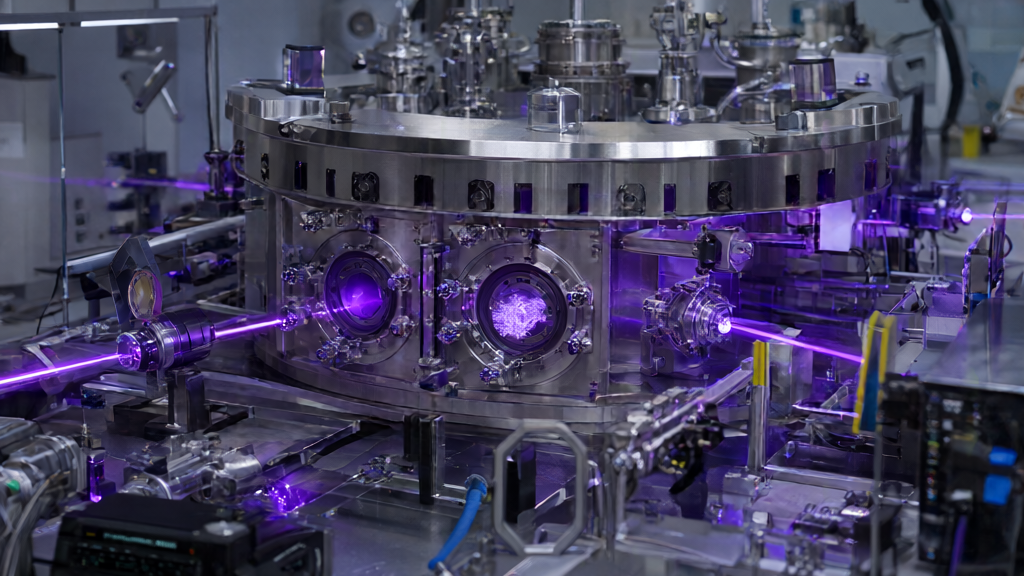
Florida International University is set to become the first academic institution in the state to acquire a full-stack, trapped-ion quantum computer, marking a significant milestone in the region’s technological infrastructure. The university has signed a definitive agreement with IonQ, a leading provider of quantum computing platforms, to install the company’s Superion 256 system on its campus. This acquisition places FIU in an exclusive tier of institutions, joining a select group of universities such as the University of Chicago and the University of Cambridge that possess direct access to such advanced hardware. The system is expected to arrive in late 2027, transforming the local research landscape and positioning South Florida as a critical hub for quantum innovation.
Quantum computers operate on principles fundamentally different from classical machines, utilizing quantum bits or qubits to process information in ways that can solve complex problems beyond the reach of traditional supercomputers. The Superion 256 system represents a high-performance architecture designed to handle vast numbers of possibilities and interactions simultaneously. By bringing this technology to Miami, FIU aims to leverage its unique capabilities to address challenges in areas where classical computing limits have hindered progress. The installation will not only serve as a research tool but also as a training ground for the next generation of scientists and engineers entering the quantum workforce.
FIU President Jeanette M. Nuñez emphasized that this partnership is an investment in discovery and the nation’s competitive edge in a rapidly evolving field. She noted that the university’s more than 1,800 faculty members and 55,000 students will gain direct access to one of the most advanced computing architectures in the world. This access is intended to facilitate engagement with key federal agencies, particularly in advancing recently launched quantum initiatives that address national needs in sensing, cryptography, commercialization, and workforce development. The university’s research showcase and briefing center in Washington, D.C., will further support these efforts by fostering collaboration with federal partners and industry leaders.
The primary research focus at FIU will be directed toward three areas with broad public impact: environment and energy sustainability, national security and cybersecurity, and health and drug development. In the realm of environment and energy, researchers plan to explore new materials and more efficient batteries, while also developing methods to strengthen and better manage the power grid. These efforts are crucial as the world seeks sustainable solutions to energy challenges and environmental degradation. The ability to simulate complex molecular interactions at the quantum level could lead to breakthroughs in material science that are currently unattainable with classical methods.
National security and cybersecurity represent another critical area of focus, as the advent of quantum computing poses both threats and opportunities for data protection. FIU researchers aim to prepare for quantum-era security threats by advancing new approaches to encryption and protecting critical infrastructure. The development of quantum-resistant cryptographic algorithms is essential to safeguarding sensitive information in an era where quantum computers could potentially break current encryption standards. By studying these vulnerabilities and developing robust defenses, FIU will contribute to the national effort to secure digital systems against emerging technological risks.
In the field of health and drug development, the quantum computer will be used to study molecules and biological interactions with unprecedented precision. This capability could accelerate the identification of promising medicines and improve the drug-development process, which is often time-consuming and costly. By simulating the behavior of complex biological systems, researchers may uncover new therapeutic targets and optimize drug design. This application of quantum computing has the potential to revolutionize healthcare by reducing the time and resources required to bring new treatments to market, ultimately benefiting patients worldwide.
Niccolo de Masi, Chairman and CEO of IonQ, described the partnership with FIU as a major milestone in expanding direct physical access to IonQ’s industry-leading quantum hardware. He highlighted that by housing the Superion 256 system directly on campus, FIU will lead the region in quantum research and training. This collaboration underscores IonQ’s commitment to expanding the availability of quantum computing resources to academic institutions, fostering a broader ecosystem of innovation. The partnership is expected to drive advancements in both fundamental research and practical applications, benefiting the scientific community and industry alike.
FIU Senior Vice President for Research and Economic Development Andres G. Gil stressed the importance of accessing quantum computing technology at this stage of its development. He noted that having the system on campus will allow researchers to determine where quantum computing can make a meaningful difference, while also preparing students for jobs and fields that are only beginning to emerge. The university plans to develop new curricula, degree programs, and professional certificates in quantum computing, ensuring that its students are equipped with the skills needed to thrive in this new technological landscape. This educational component is vital for building a workforce capable of driving the quantum revolution forward.
The acquisition of the Superion 256 quantum computer is part of a broader FIU quantum initiative designed to attract research funding, develop industry partnerships, and establish South Florida as a center for applied quantum discovery. This initiative aligns with expanding investments in quantum research, infrastructure, security, and workforce development by both the state of Florida and the federal government. By positioning itself as a leader in quantum computing, FIU aims to leverage its geographic and institutional strengths to drive economic growth and scientific innovation. The university’s efforts are expected to create a vibrant ecosystem of quantum research and development, attracting talent and investment to the region.
As the quantum computing landscape continues to evolve, FIU’s acquisition of the Superion 256 system represents a strategic move to stay at the forefront of this transformative technology. The university’s commitment to research, education, and collaboration positions it to make significant contributions to the field, addressing some of the most pressing challenges facing society today. By integrating quantum computing into its academic and research programs, FIU is not only advancing scientific knowledge but also preparing its students and the broader community for the future of technology. This initiative underscores the importance of investing in emerging technologies to drive progress and innovation in the 21st century.
Subject of Research: Acquisition of a trapped-ion quantum computer by Florida International University
Article Title: Miami’s first quantum computer coming to FIU
Article References: Miami’s first quantum computer coming to FIU. (n.d.). Original publication
Image Credits: AI Generated
DOI: Not provided
Keywords: quantum computing, Florida International University, IonQ, trapped-ion technology, Superion 256, research infrastructure, cybersecurity, drug development, energy sustainability, workforce development, academic partnership, South Florida
Cite Scienmag News
Katie Riggs. (October 2, 2026). FIU to Bring a Trapped-Ion Quantum Computer to Miami. Scienmag. https://scienmag.com/fiu-to-bring-a-trapped-ion-quantum-computer-to-miami/
Katie Riggs. "FIU to Bring a Trapped-Ion Quantum Computer to Miami." Scienmag, 2 October 2026, https://scienmag.com/fiu-to-bring-a-trapped-ion-quantum-computer-to-miami/. Accessed 4 October 2026.
Katie Riggs. "FIU to Bring a Trapped-Ion Quantum Computer to Miami." Scienmag. October 2, 2026. https://scienmag.com/fiu-to-bring-a-trapped-ion-quantum-computer-to-miami/


