


Henry Ford Health performed the first procedures globally in a clinical trial evaluating pulmonary artery denervation, an investigational treatment for people with pulmonary hypertension related to heart disease. The minimally invasive procedures were conducted on August 21 at Henry Ford Hospital in Detroit, marking the enrollment of the first two patients in the PULSE-LHD study. This milestone represents a step in the investigation of a therapy designed to address a serious condition that can affect breathing, exercise capacity, and overall quality of life for patients with complex cardiovascular disease.
Pulmonary hypertension is a condition characterized by elevated blood pressure in the vessels that carry blood from the heart to the lungs. In some patients, this condition develops as a consequence of left heart disease, leading to significant impacts on daily life. Symptoms often include shortness of breath, fatigue, and a reduced ability to perform everyday activities. The condition also increases the risk of hospitalization and other serious health complications.
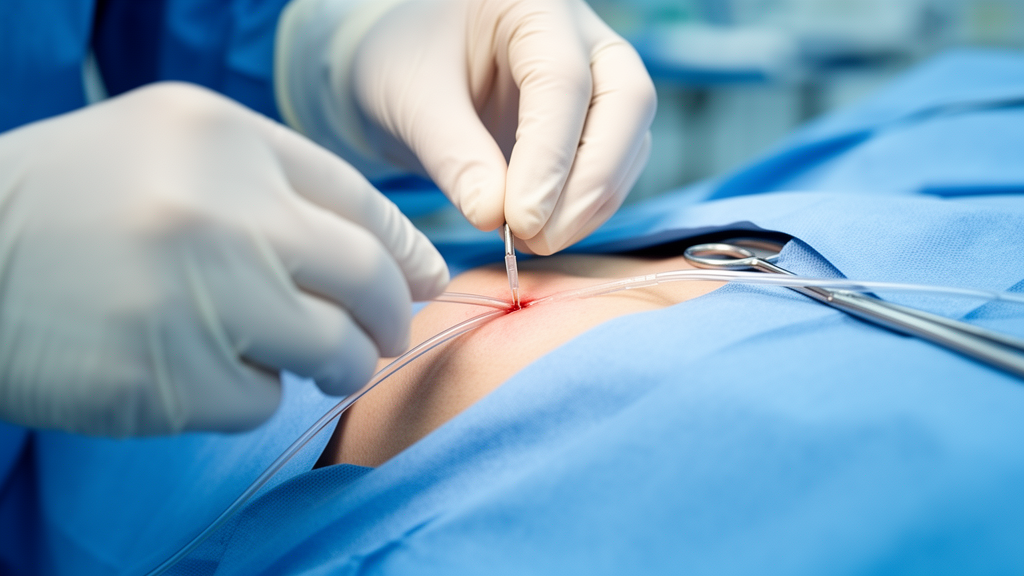
The PULSE-LHD clinical trial is a multicenter study designed to evaluate the safety and effectiveness of the investigational treatment. The procedure is catheter-based, targeting nerves surrounding the pulmonary artery that may contribute to elevated pressures in the lungs. A small catheter is inserted into a blood vessel and advanced to the pulmonary artery, where the treatment is delivered using an investigational medical device that has not been approved by the U.S. Food and Drug Administration for commercial use in the United States.
The study utilizes a randomized, sham-controlled design to assess the treatment’s impact. Participants are assigned to either receive pulmonary artery denervation or undergo a comparable procedure without treatment delivery. This design allows researchers to more accurately assess outcomes while reducing the potential influence of patient or physician expectations.
The procedures on the first U.S. patients were performed by interventional cardiologists Dr. Vikas Aggarwal and Dr. Brian O’Neill. Dr. Sharon Raymond-Forde, a pulmonary hypertension specialist, is also a co-investigator in the trial. Dr. Aggarwal, who serves as the director of pulmonary vascular interventions at Henry Ford Health, emphasized the critical role of clinical trials in improving care for future patients. He noted that studies such as PULSE-LHD help evaluate investigational therapies using the highest standards of scientific research while offering eligible patients an opportunity to participate in advancing cardiovascular medicine.
Dr. Waleed Al-Darzi, an advanced heart failure and transplant cardiologist and site principal investigator for the study at Henry Ford Health, stated that this milestone reflects the institution’s commitment to bringing innovative research opportunities to patients with complex cardiovascular disease. He expressed pride in helping to advance research that could lead to future treatment options for patients who currently have limited alternatives.
The milestone comes as results from a separate study evaluating pulmonary artery denervation were recently published in the New England Journal of Medicine. Investigators reported preliminary findings in patients treated in China, noting the importance of continued evaluation through additional studies using rigorous research methods.
The PULSE-LHD study is sponsored by Pulnovo Medical and is being conducted at select sites in the United States and internationally. Henry Ford Health is the only site in Michigan conducting the study. The institution has a long history of participation in leading cardiovascular research studies and offers patients access to clinical trials across a wide range of heart and vascular conditions.
Researchers hope the study will help determine whether the investigational approach could eventually expand options for patients living with pulmonary hypertension related to heart disease. Patients and physicians can contact the study team for more information regarding eligibility, with additional study details available through ClinicalTrials.gov.
Subject of Research: Clinical trial of pulmonary artery denervation for pulmonary hypertension
Article Title: First US patients enrolled in clinical study of a new therapy to address a serious complication of heart disease
Article References: First US patients enrolled in clinical study of a new therapy to address a serious complication of heart disease. Original publication (Bibliographic details unavailable.)
Image Credits: AI Generated
DOI: Not provided
Keywords: pulmonary hypertension, heart disease, clinical trial, pulmonary artery denervation, cardiovascular research, Henry Ford Health, PULSE-LHD, investigational therapy, catheter-based procedure, medical device, First, patients
Cite Scienmag News
Ophelia Keating. (October 24, 2026). First US patients in pulmonary artery denervation trial. Scienmag. https://scienmag.com/first-us-patients-in-pulmonary-artery-denervation-trial/
Ophelia Keating. "First US patients in pulmonary artery denervation trial." Scienmag, 24 October 2026, https://scienmag.com/first-us-patients-in-pulmonary-artery-denervation-trial/. Accessed 24 October 2026.
Ophelia Keating. "First US patients in pulmonary artery denervation trial." Scienmag. October 24, 2026. https://scienmag.com/first-us-patients-in-pulmonary-artery-denervation-trial/


