


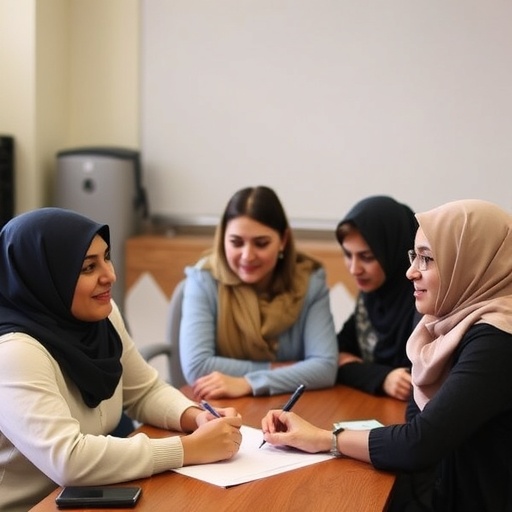
In recent discussions surrounding education, the emotional and psychological well-being of teachers has gained unprecedented attention. The intricate relationship between teacher care, emotional development, and the cultivation of a nurturing environment for learners has emerged as a key focal point for education stakeholders. This renewed interest is encapsulated in a compelling study by Zhaleh and Montazeri, examining the perspectives of Iranian English as a Foreign Language (EFL) teachers regarding the impact of caring behaviors amongst educators.
Emotional and professional well-being are increasingly recognized as pivotal elements contributing to effective teaching practices. The study highlights an important trend indicating that teachers who feel cared for are more likely to extend that same sense of care to their students. This cycle of care is fundamental not just for teaching quality, but for the overall atmosphere in educational settings, impacting both academic outcomes and personal growth for students. The implications of these findings resonate deeply with current pedagogical theories that advocate for emotional intelligence as crucial for educators.
Understanding how teachers perceive care is a foundational aspect of this research. Zhaleh and Montazeri uncover views from various educators across Iran, revealing a rich tapestry of experiences and insights. The educators expressed that feeling valued and supported within their work environment directly correlates with their enthusiasm and commitment to teaching. This finding emphasizes the need for educational institutions to foster a culture of support and appreciation, which subsequently cultivates a more engaged and motivated teaching workforce.
The caring behaviors that teachers identified varied significantly, reflecting personal philosophies and cultural contexts. Many participants noted that care in educational institutions extends beyond mere professional obligations; it encompasses emotional connection, mentorship, and a genuine interest in colleagues’ welfare. The impact of such attention can lead to transformative changes within schools, where a shared ethos of empathy and kindness fosters not only improved teacher retention but also enriches student experiences.
Additionally, the study probes the socio-cultural factors that shape Iranian teachers’ perspectives on caregiving. It becomes evident that the educators’ backgrounds, experiences, and the societal framework in which they operate distinctly influence their views. This highlights a crucial element—educational policies must not only focus on standard metrics of success but should also incorporate the emotional health of the teaching body, as this will have lasting impact on future generations of educators and students alike.
Through examining how caring influences teaching practices, the research indicates that when teachers prioritize their own emotional well-being, they create more effective learning environments. Teachers expressed that emotional exhaustion could severely undermine their teaching capabilities, leading to less effective pedagogy and reduced student engagement. These discussions are critical to understanding that teacher burnout not only affects their performance but has cascading effects that can impact students’ educational journeys.
Ultimately, Zhaleh and Montazeri’s research serves as a call to action for educational stakeholders. There is an urgent need for systemic changes to integrate the emotional and psychological needs of teachers into the educational framework. Schools and universities should prioritize teacher wellbeing policies, provide support systems, and create environments where educators feel recognized and valued. Such initiatives will undoubtedly empower educators, improving their interactions with students and fostering a healthier educational ecosystem.
The findings reflect a growing body of research emphasizing the significance of teacher care not only for personal fulfillment but also for promoting a flourishing educational atmosphere. As we seek to educate future generations, it becomes increasingly clear that we must also focus on those who lead the way—our teachers. By investing in their emotional health, we prepare them not only to teach content effectively but to instill values of care, empathy, and resilience among their students.
In conclusion, this comprehensive study sheds light on the vital yet often overlooked aspect of teaching: the necessity of care. As educators continue to negotiate the complexities of modern teaching environments, findings from Iranian EFL teachers underscore the pressing need for supportive educational policies. Creating an environment where teachers feel valued is essential, not just for their benefit, but for the overall betterment of the educational experience for all.
The takeaways from this research extend beyond local contexts; they resonate with global educational trends aiming to reshape how we view the profession. The call for a compassionate approach to teaching is stronger than ever and, if heeded, will lead to a brighter future for both teachers and students across the globe.
Zhaleh, K., Montazeri, M.R. A study of Iranian EFL teachers’ perspective about the impact of caring for teachers on nurturing caring teachers. Discov Psychol (2025). https://doi.org/10.1007/s44202-025-00523-4
Cite Scienmag News
Glenn Wilkins. (December 12, 2025). Exploring Iranian EFL Teachers’ Views on Teacher Care. Scienmag. https://scienmag.com/exploring-iranian-efl-teachers-views-on-teacher-care/
Glenn Wilkins. "Exploring Iranian EFL Teachers’ Views on Teacher Care." Scienmag, 12 December 2025, https://scienmag.com/exploring-iranian-efl-teachers-views-on-teacher-care/. Accessed 4 September 2026.
Glenn Wilkins. "Exploring Iranian EFL Teachers’ Views on Teacher Care." Scienmag. December 12, 2025. https://scienmag.com/exploring-iranian-efl-teachers-views-on-teacher-care/


