


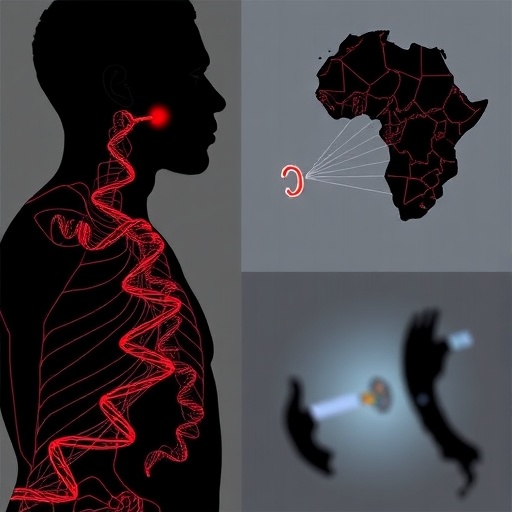
Prostate cancer represents one of the most pressing health disparities in oncology, disproportionately afflicting men of African ancestry with higher incidence, more aggressive disease, and poorer outcomes. Despite intense research efforts, the precise molecular underpinnings of these disparities have remained elusive, reflecting the complex interplay between genetics, epigenetics, and environment. Recent advances in genomic technologies, coupled with ethnically diverse prostate cancer cohorts, especially from sub-Saharan Africa, have begun to unravel how inherited and acquired alterations converge to shape tumour biology distinctively in African-descended populations. Among these, epigenetic dysregulation is emerging as a crucial and previously under-recognized driver of disparity, offering new insights with profound translational potential.
The landscape of prostate cancer genomics has traditionally been dominated by studies in men of European descent, which has limited understanding of disease mechanisms in other ancestral groups. However, comparative analyses incorporating multi-ancestral cohorts are revealing a heightened burden and unique spectrum of both germline and somatic variants among African men. These data challenge the long-standing notion that environmental and social determinants alone explain disparities, instead underscoring the potent role of biological variation. Intriguingly, many of the variant genes are involved in epigenetic machinery responsible for chromatin remodeling, DNA methylation, and gene regulation, hinting at a mechanism whereby genomic diversity impacts epigenome dynamics and tumour behaviour.
Epigenetics, the study of heritable changes in gene expression not encoded by DNA sequence, encompasses crucial regulatory processes such as DNA methylation, histone modification, and chromatin conformation. Aberrations in these mechanisms can reprogram cellular identity and behavior, altering the transcriptional landscape in ways that predispose to malignancy or therapy resistance. In prostate cancer from men of African ancestry, emerging evidence points to a distinctive epigenomic reprogramming pattern characterized by modified promoter and enhancer activity, as well as heterochromatin architecture changes. These modifications can prime tumours towards more aggressive phenotypes, influencing proliferation, invasion, and immune evasion.
An especially compelling hypothesis arising from this research is the concept of “oncogenic cooperation,” wherein germline genetic diversity interacts synergistically with acquired somatic mutations within epigenetic regulators to expand the range of oncogenic molecular interactions. This cooperative model suggests that inherited variants may sensitize the epigenome to somatic alterations, amplifying dysregulated transcriptional programs that drive tumour progression. Sub-Saharan African cohorts distinctly exhibit increased burdens of such combined alterations, which may underlie observed clinical aggressiveness and resistance to conventional therapies.
Chromatin remodeling defects, long recognized in various cancer types, appear to be particularly prominent yet under-investigated contributors to prostate cancer disparities. Components of chromatin remodeling complexes, such as SWI/SNF and Polycomb group proteins, are frequently altered in African-derived tumours. Such defects disrupt normal nucleosome positioning and DNA accessibility, resulting in genomic instability, aberrant gene expression, and potentially reduced efficacy of androgen deprivation and other standard treatments. Understanding this layer of epigenetic disruption offers unprecedented opportunities for biomarker development and targeted epigenetic therapies.
Integrating genomic and epigenomic data across diverse populations illuminates a model wherein prostate cancer disparities emerge from the convergence of inherited susceptibility, somatic genomic alterations, and environmentally reinforced epigenetic reprogramming. Environmental factors—ranging from diet, inflammation, to chemical exposures—interact with this genomic-epigenomic framework, further modulating the malignant transformation landscape. African ancestral genetics may thus not only predispose individuals to specific mutational and epigenetic profiles but also influence their tumour microenvironments and response to external stimuli, shaping clinical outcomes.
However, significant challenges remain, primarily due to the paucity of African-centered genomic and epigenomic baselines. Most current reference datasets and analytical pipelines are Eurocentric, limiting the ability to accurately interpret variant pathogenicity or methylation differences in African populations. Furthermore, cohort under-representation and technical platform disparities hinder comparative analyses. Rectifying these gaps requires deliberate and ethical inclusion of diverse African populations in prostate cancer research, employing harmonized multi-omics approaches that capture the full spectrum of molecular alterations.
From a translational perspective, epigenetic signatures unique to African prostate tumours hold promise as diagnostic and prognostic biomarkers, enabling earlier detection and risk stratification tailored to ancestry. Moreover, therapeutics targeting epigenetic modifiers—such as DNA methyltransferase and histone deacetylase inhibitors—may prove especially efficacious or require adaptation to the altered epigenetic context observed in African-derived tumours. Personalized medicine strategies that consider the interplay of germline variation, somatic mutation, and epigenomic state could revolutionize care and reduce inequities.
This growing body of knowledge underscores the imperative for equitable and inclusive research frameworks that value genomic and epigenomic diversity as drivers of biological insight. It calls for building capacity in African genomics infrastructure, fostering local scientific leadership, and creating global partnerships that transcend traditional paradigms. By embracing African ancestral diversity as a keyword for discovery rather than a confounder, the field moves closer to unraveling the molecular complexity underpinning prostate cancer disparities and achieving health equity.
As the landscape evolves, the integration of epigenomics with single-cell multi-omics, spatial transcriptomics, and longitudinal patient data promises to deepen understanding of tumour heterogeneity and evolution within diverse ancestries. Combining these cutting-edge approaches with robust epidemiological and environmental data will illuminate how socio-economic factors intersect with molecular biology to modulate disease trajectories. Such comprehensive frameworks are essential to developing novel prevention, detection, and treatment modalities attuned to ancestry-specific risk profiles.
In conclusion, the elucidation of epigenetic modulation as a central pillar in prostate cancer disparities marks a paradigm shift in oncology research. By dissecting how germline diversity and somatic alterations coalesce within the epigenomic landscape to sculpt aggressive disease phenotypes in men of African ancestry, science is poised to unlock new frontiers in precision health. This work serves as a clarion call for international collaboration, investment, and innovation to ensure that the promise of genomic medicine benefits all populations equitably, ending the disproportionate burden of prostate cancer among African men.
Only through embracing the rich tapestry of human genetic and epigenetic variation can the biomedical community fully realize the molecular secrets of cancer disparities and translate them into effective interventions. As we stand on the cusp of this new era in cancer biology, the commitment to inclusive research stands as both a scientific necessity and a moral imperative. The future of prostate cancer care hinges on our ability to see beyond conventional boundaries and harness the power of ancestry informed epigenetics to produce enduring health equity worldwide.
Cite Scienmag News
Nathaniel Bowman. (June 5, 2026). Epigenetics and Prostate Cancer in African Ancestry. Scienmag. https://scienmag.com/epigenetics-and-prostate-cancer-in-african-ancestry/
Nathaniel Bowman. "Epigenetics and Prostate Cancer in African Ancestry." Scienmag, 5 June 2026, https://scienmag.com/epigenetics-and-prostate-cancer-in-african-ancestry/. Accessed 5 September 2026.
Nathaniel Bowman. "Epigenetics and Prostate Cancer in African Ancestry." Scienmag. June 5, 2026. https://scienmag.com/epigenetics-and-prostate-cancer-in-african-ancestry/


