


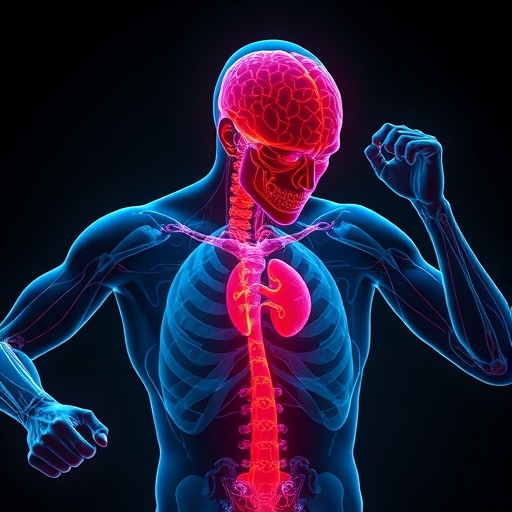
Parkinson’s disease is increasingly being viewed as more than a disorder of movement. As populations age worldwide, the progressive neurodegenerative condition is placing a growing burden on patients, families, and healthcare systems. Now, a comprehensive review of 129 studies suggests that the muscles may play a far more active role in protecting the brain than previously recognized. The analysis highlights how exercise, muscle health, and a group of exercise-responsive signaling molecules known as exerkines may work together to support people living with Parkinson’s disease.
The review, led by Dr. Miguel Germán Borda, examined experimental, observational, and interventional research on the relationship between muscle status, physical activity, and Parkinson’s disease. The findings became available online on February 25, 2026, and were published in the journal Neuroprotection on June 1, 2026. The article argues that sarcopenia—the age-related loss of muscle mass, strength, and physical function—may intensify the vulnerability already experienced by people with Parkinson’s disease. In this population, reduced muscle capacity has been associated with poorer mobility, more frequent falls, cognitive difficulties, disability, and a lower quality of life.
“Muscle is a biologically active tissue that has the potential to influence neural function,” said Dr. Salomón Páez-García, the review’s first author. Rather than functioning solely as mechanical tissue that moves the skeleton, muscle can release biochemical signals into the circulation. These signals may affect distant organs, including the brain. This concept has helped shift scientific attention toward the muscle–brain axis, a two-way communication network in which the nervous system controls movement while contracting muscles send molecular messages back to the nervous system.
Across the studies included in the review, several forms of exercise were associated with meaningful benefits for people with Parkinson’s disease. Aerobic activities such as walking and jogging can challenge the cardiovascular system and improve endurance. Resistance training, including weight lifting and squats, targets muscle strength and power. Balance exercises, such as Tai Chi or controlled single-leg standing, address postural stability. Multimodal programs combine these approaches and may be particularly useful because Parkinson’s disease affects multiple dimensions of physical function at the same time.
Regular exercise was linked to improvements in walking ability, balance, mood, muscle strength, cognitive performance, and overall quality of life. Participants in exercise programs also experienced fewer falls and less disability in many of the studies reviewed. Strength and balance training appeared especially important because loss of force and impaired postural control can interact, making everyday movements more difficult and increasing the risk of injury. The researchers emphasize that exercise programs should be adapted continuously to an individual’s physical capacity, symptoms, disease stage, and safety needs.
The biological explanation may involve exerkines, hormone-like molecules released by skeletal muscles during physical activity. Among the most discussed are brain-derived neurotrophic factor, or BDNF; insulin-like growth factor 1, known as IGF-1; irisin; cathepsin B; myostatin; and growth differentiation factor 15, or GDF15. These molecules can travel through the bloodstream and influence tissues throughout the body. Their effects may include regulating inflammation, oxidative stress, energy metabolism, tissue repair, and communication between cells.
In the brain, these signals could be especially important for neurons that produce dopamine in the substantia nigra, a region heavily affected by Parkinson’s disease. Dopamine-producing neurons are vulnerable to mitochondrial dysfunction, chronic inflammation, oxidative damage, and cellular stress. The review describes evidence suggesting that exercise-related signaling may help counter some of these processes by supporting mitochondrial performance, reducing inflammatory activity, and strengthening antioxidant defenses. Exerkines may also promote neuroplasticity, the brain’s ability to adapt, reorganize, and form or reinforce connections between nerve cells.
The proposed mechanism does not mean that exercise can cure Parkinson’s disease or replace established medical treatment. Much of the evidence remains heterogeneous, and the review itself is narrative rather than a single clinical trial designed to prove cause and effect. Exercise studies often differ in duration, intensity, supervision, participant characteristics, and outcome measurements. In addition, the biological actions of individual exerkines are complex and may vary according to age, fitness level, disease severity, medication use, and the type of exercise performed. These factors make it difficult to identify one universal exercise prescription or a single molecule responsible for the benefits.
Even with these limitations, current clinical guidance strongly supports physical activity as a central component of Parkinson’s care. Experts generally encourage people to begin exercising as early as possible and maintain activity for as long as they can, using a combination of aerobic, strength, and balance exercises. The new review adds a molecular perspective to that recommendation: exercise may benefit not only the muscles and cardiovascular system but also the biological environment in which vulnerable brain cells function. Future studies will need to determine which combinations of exercise, intensity, timing, and exerkine activity provide the strongest long-term neuroprotective effects.
News Publication Date: June 1, 2026
Web References: https://doi.org/10.1002/nep3.70032
References: DOI: 10.1002/nep3.70032
Cite Scienmag News
Cassandra Pierce. (August 7, 2026). New hope for Parkinson’s: Stronger muscles may help protect the brain. Scienmag. https://scienmag.com/new-hope-for-parkinsons-stronger-muscles-may-help-protect-the-brain/
Cassandra Pierce. "New hope for Parkinson’s: Stronger muscles may help protect the brain." Scienmag, 7 August 2026, https://scienmag.com/new-hope-for-parkinsons-stronger-muscles-may-help-protect-the-brain/. Accessed 4 September 2026.
Cassandra Pierce. "New hope for Parkinson’s: Stronger muscles may help protect the brain." Scienmag. August 7, 2026. https://scienmag.com/new-hope-for-parkinsons-stronger-muscles-may-help-protect-the-brain/


