


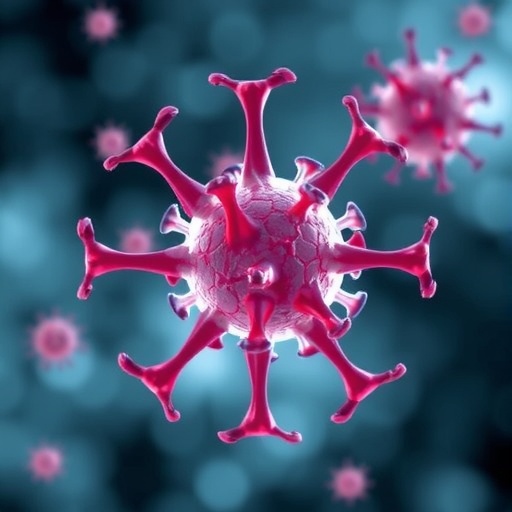
A groundbreaking new therapeutic candidate for prion disease, a fatal neurodegenerative disorder, is advancing into its first human clinical trial, marking a significant milestone in the quest to tackle these devastating illnesses. This phase 1 study aims to rigorously assess the safety, tolerability, and optimal dosing of a novel divalent small interfering RNA (siRNA) molecule specifically engineered to reduce the production of the misfolded prion protein (PrP) in the human brain. Prion diseases, which include conditions such as Creutzfeldt-Jakob disease, currently have no cures and are universally fatal, with patients succumbing within months to a few years after symptom onset. The new siRNA therapeutic, developed through a collaborative effort between the Broad Institute and the University of Massachusetts Chan Medical School, offers a unique molecular approach that could shift the paradigm for treating this class of disorders.
Prion diseases are caused by the accumulation of aberrantly folded prion proteins, which induce neurotoxicity and relentless neurodegeneration. Targeting the expression of PrP has long been hypothesized as a promising disease-modifying strategy, but delivering effective and brain-wide suppression of this protein has posed enormous challenges. The siRNA candidate under investigation functions by binding to and cleaving the messenger RNA (mRNA) that encodes the prion protein, thus preventing the cellular machinery from producing the harmful protein in excess. Prior research utilizing animal models demonstrated that partial reduction of PrP levels significantly delays disease onset and progression, supporting the translational potential of RNA interference-based therapeutics for human prion disease.
This novel divalent siRNA compound is structurally unique—it consists of two identical siRNA units chemically linked to enhance distribution within the brain tissue compared to single siRNA molecules. This divalent design was spearheaded by the lab of Anastasia Khvorova at UMass Chan Medical School. By achieving broader CNS penetration and durable suppression of the prion protein, this molecule overcomes key pharmacodynamic hurdles that have hampered siRNA therapies in neurological disorders. The clinical trial, known as PRiSM (PrP-targeting siRNA Safety & Mechanism Study), represents the first human test of this technology with a focus on both symptomatic patients and those monitored observationally.
Prion Therapeutic Science program leaders Eric Minikel and Sonia Vallabh, who have a deeply personal connection to the disease through Vallabh’s genetic predisposition, have driven this initiative with a strong emphasis on transparency and open science. Unlike traditional drug developers, they have publicly shared their FDA Investigational New Drug (IND) application data, setting a new standard for openness in neurodegenerative disease research. This unusual level of transparency reflects their conviction that accelerating scientific progress and fostering collaboration is vital for a field that has historically seen few therapeutic breakthroughs.
Preclinical studies published as a recent bioRxiv preprint provide compelling evidence of the therapeutic promise. In a mouse model of prion disease, a single intracerebroventricular dose of the divalent siRNA led to an approximately 49% reduction of brain prion protein levels. Impressively, this molecular knockdown translated into a 64% extension of survival time in symptomatic animals, underscoring the potential clinical benefit of the approach. These results laid the groundwork for FDA clearance of the IND in March 2025, a critical regulatory milestone rarely achieved without the backing of larger pharmaceutical companies.
The upcoming clinical trial is facilitated by NeuroNEXT, a National Institute of Neurological Disorders and Stroke (NINDS) program that supports early-phase neuroscience clinical research. NeuroNEXT provides not only financial backing but also the infrastructure necessary to conduct rigorous trials, including experienced sites, a coordinating center at Massachusetts General Hospital’s Neurology Department, and a comprehensive data and statistics center at the University of Iowa. This collaborative network is designed to accelerate the translation of promising therapies into validated clinical interventions.
The trial will enroll an initial cohort of 15 patients with symptomatic prion disease, who will receive the siRNA through lumbar puncture, allowing direct delivery into the cerebrospinal fluid and the central nervous system. Dosing will be escalated with later enrollees to establish safety parameters and determine the maximum tolerated dose. Parallel to this, an observational arm comprising 15 additional symptomatic patients will monitor disease progression without intervention, providing essential natural history data. Investigators also hope to expand enrollment to pre-symptomatic gene carriers in subsequent phases, an innovative approach that could potentially enable prophylactic treatment.
The leadership team, incorporating Khvorova’s expertise in RNA therapeutics and the prion-focused research vision of Minikel and Vallabh, is committed to not only advancing this specific candidate but also pioneering a new model of clinical trial conduct characterized by ethical rigor and data sharing. Khvorova emphasizes that this trial embodies a visionary integration of cutting-edge science and patient-centered ethics, setting a precedent for future efforts in neurodegenerative disease drug development. This ethos reflects a deep commitment to maximizing the scientific yield while rapidly disseminating knowledge gained to benefit the broader research community.
In parallel with this siRNA candidate, the Broad Institute team continues to explore various therapeutic strategies, including epigenetic modulation and gene editing technologies, aimed at further modulating prion protein expression and addressing disease pathology. This multipronged approach underscores the complexity of prion disease biology and the necessity for innovative interventions that can be tailored to patient needs. The phase 1 trial is thus a crucial step in a larger pipeline of experimental therapeutics under active investigation.
The initiation of this trial follows on the heels of another clinical study launched in 2023 by Ionis Pharmaceuticals, testing a separate antisense oligonucleotide drug candidate (ION717). While encouraging, both studies affirm the urgent need for new therapies for prion diseases. Patients, families, and clinicians affected by these invariably lethal disorders are hopeful but cautious, awaiting evidence not just of safety but meaningful clinical benefit, a goal that remains elusive in prion therapeutics.
For the prion disease community and scientific stakeholders alike, this trial symbolizes hope and innovation. The openly shared trial protocols and results promise to catalyze advancements not only for prion diseases but also for the broader field of RNA-based therapies for neurodegeneration. By publicly documenting their challenges and successes, the investigators are fostering an unprecedented culture of transparency that could redefine how future treatments for rare neurodegenerative disorders are developed and delivered.
To gain further insight into the trial and ongoing research efforts, information is accessible through ClinicalTrials.gov and CureFFI.org, where frequent updates will provide transparency for patients, clinicians, and researchers. Additionally, the CJD Foundation remains a valuable resource for those seeking support and education regarding prion diseases. As the trial progresses, the scientific community will watch closely, hopeful that this innovative siRNA candidate may finally offer a therapeutic lifeline for a group of disorders long shrouded in fatalism and despair.
News Publication Date: 2025
Web References:
- Clinical trial registry: https://clinicaltrials.gov/study/NCT07444580
- CureFFI.org patient and scientific resource hub: http://cureffi.org/
- Preprint publication: https://www.biorxiv.org/content/10.1101/2024.12.05.627039v6
- Ionis Pharmaceuticals trial: https://clinicaltrials.gov/study/NCT06153966
References: IND filing published by investigators (https://www.cureffi.org/2025/04/14/open-ind-whats-next/)
Cite Scienmag News
Ophelia Keating. (April 23, 2026). Enrollment Starts for Clinical Trial of Promising Prion Disease Drug Candidate. Scienmag. https://scienmag.com/enrollment-starts-for-clinical-trial-of-promising-prion-disease-drug-candidate/
Ophelia Keating. "Enrollment Starts for Clinical Trial of Promising Prion Disease Drug Candidate." Scienmag, 23 April 2026, https://scienmag.com/enrollment-starts-for-clinical-trial-of-promising-prion-disease-drug-candidate/. Accessed 4 September 2026.
Ophelia Keating. "Enrollment Starts for Clinical Trial of Promising Prion Disease Drug Candidate." Scienmag. April 23, 2026. https://scienmag.com/enrollment-starts-for-clinical-trial-of-promising-prion-disease-drug-candidate/


