


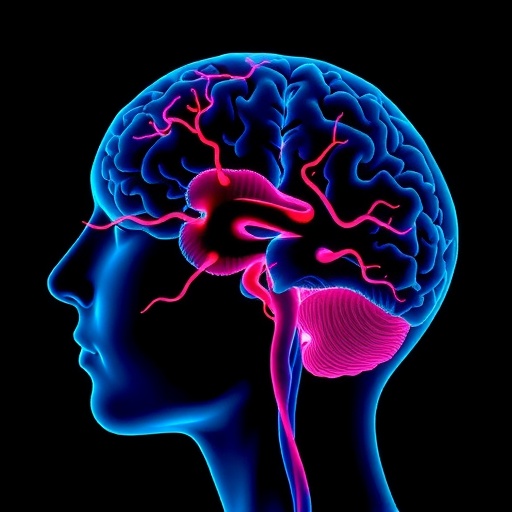
The realm of psychiatric therapeutics is witnessing a transformative evolution as researchers delve into the translational pathways of oxytocin therapy, targeting schizophrenia’s most stubborn challenge: its negative symptoms. Schizophrenia, a complex neuropsychiatric disorder characterized by disturbances in thought, perception, and behavior, has long resisted effective treatment for certain debilitating aspects—particularly those negative symptom domains such as social withdrawal, anhedonia, and apathy. Among emerging interventions, oxytocin, a neuropeptide classically recognized for its role in social bonding and affiliation, is capturing scientific attention for its potential to unravel these clinical mysteries.
At the crux of this innovative approach is the intersection of neurohormonal modulation and neural circuit dynamics. Oxytocin’s modulation of social and emotional processing pathways offers a mechanistic foothold in the enigmatic pathophysiology underlying negative symptoms. Recent translational research studies have pioneered the exploration of how exogenous oxytocin administration can influence synaptic plasticity, neurotransmitter release, and neuronal connectivity within the corticolimbic circuitry—areas critically affected in schizophrenia. This represents a promising avenue to not merely ameliorate symptoms pharmacologically but to potentially restore disrupted neural mechanisms.
The translational challenge, however, lies in bridging preclinical models and clinical applications. Schizophrenia’s heterogeneity demands nuanced approaches that consider symptom-specific neurobiological substrates. The negative symptom dimension, often overshadowed by positive symptoms such as hallucinations and delusions, has evaded adequate therapeutic strategies largely due to its complex neurobiological basis. Oxytocin’s ability to interact with systems governing social cognition and motivation hints at a groundbreaking modality designed to target these deficits directly.
At the molecular level, oxytocin receptors distributed across key brain regions including the prefrontal cortex, amygdala, and hippocampus mediate its diverse effects. These areas are integral to emotional regulation and motivational drives, which are profoundly impaired in schizophrenia’s negative symptomatology. By engaging these receptors, oxytocin signaling can modulate glutamatergic and dopaminergic neurotransmission, both of which are pivotal in schizophrenia pathophysiology. This fine-tuning of neurotransmitter networks holds potential for reversing synaptic abnormalities associated with diminished social engagement.
Advancements in neuroimaging technologies have provided invaluable insights into oxytocin’s functional impact on brain activity patterns. Functional MRI studies reveal that oxytocin administration enhances connectivity within neural circuits responsible for social cognition, empathy, and reward processing. These findings crystallize the potential for oxytocin to recalibrate dysfunctional brain networks and reestablish functional integration, thereby alleviating symptoms that severely impair patients’ quality of life and societal integration.
One cannot overlook the translational complexity posed by oxytocin’s pharmacokinetics and delivery mechanisms. Oxytocin’s short half-life and poor blood-brain barrier penetrability necessitate innovative delivery strategies to achieve therapeutically relevant central nervous system concentrations. Intranasal administration has emerged as a preferred route, enabling direct transport to the brain and circumventing peripheral degradation. Yet, optimizing dosing regimens and treatment duration requires ongoing systematic investigation to maximize clinical benefits.
Behavioral outcomes also underscore the promise of oxytocin therapy in schizophrenia. Clinical trials report improvements in social functioning and motivation, correlating with enhanced neural activity in relevant brain regions. These functional gains transcend symptomatic relief, fostering real-world benefits such as improved interpersonal relationships and increased participation in therapeutic milieus. Consequently, oxytocin-based interventions could represent a paradigm shift from symptom management towards holistic rehabilitation.
Genetic and epigenetic considerations add another dimension to the therapeutic landscape. Individual variability in oxytocin receptor gene expression and epigenetic modifications may influence treatment responsiveness. Recognizing these genetic underpinnings can facilitate personalized medicine approaches, tailoring oxytocin therapy to individuals more likely to benefit based on biomarker profiles. Integrating genetic screening into clinical trials may accelerate precision psychiatry efforts.
Moreover, the interplay between oxytocin and other neuropeptides or neurotransmitter systems warrants deep exploration. Synergistic effects between oxytocin and serotonin or dopamine systems could potentiate therapeutic outcomes. Such interactions illuminate the need for combinatorial treatment strategies that harness multiple molecular pathways, thereby offering a comprehensive assault on schizophrenia’s multifaceted nature.
Despite encouraging preliminary results, challenges remain in standardizing oxytocin treatment protocols and managing placebo effects, which are particularly pronounced in psychiatric interventions. Identifying objective biomarkers to quantify therapeutic response could mitigate these challenges, enhancing the robustness of clinical trial outcomes. Advances in biomarker discovery, including neuroimaging and peripheral assays, represent critical adjuncts to validating oxytocin’s clinical utility.
Ethical considerations also surface in deploying a neuropeptide with such profound effects on social cognition and behavior. Long-term implications of modulating the oxytocinergic system necessitate rigorous safety profiling and monitoring to preempt adverse effects or unintended alterations in personality traits. Ensuring informed consent and transparent communication with patients is paramount as this innovative therapy advances from experimental phases to broader clinical practice.
Looking ahead, integration of oxytocin therapy into multidisciplinary treatment regimens could redefine schizophrenia care. Combining pharmacological interventions with psychosocial therapies may amplify benefits, nurturing neuroplastic changes through behavioral reinforcement. Such holistic strategies align with contemporary models of psychiatric rehabilitation emphasizing functional recovery and social reintegration.
The translational journey of oxytocin therapy epitomizes the intersection of basic neuroscience and clinical innovation. It underscores the imperative to dissect neural mechanisms with precision and translate these insights into tangible patient outcomes. As researchers continue to elucidate the molecular and circuit-level effects of oxytocin, the therapeutic horizon for schizophrenia’s negative symptoms appears increasingly promising.
In summation, the exploration of oxytocin as a therapeutic agent in schizophrenia exemplifies a pioneering frontier in psychiatric research. Bridging symptom domains with neural mechanisms offers nuanced understanding and targeted intervention strategies. While further research is essential to refine and validate this approach, the current trajectory heralds a potential leap forward in addressing one of schizophrenia’s most refractory symptom clusters.
The implications extend beyond schizophrenia, as insights gained from oxytocin therapy may inform novel treatments for a spectrum of neuropsychiatric disorders characterized by social and motivational deficits. This body of work contributes not only to psychiatric therapeutics but profoundly enriches our comprehension of human social neuroscience and neurochemical modulation.
As clinical trials progress and translational frameworks evolve, the promise of oxytocin as a cornerstone of next-generation schizophrenia therapy stands as a beacon of hope, illuminating pathways to improved cognition, social engagement, and ultimately, better lives for those affected by this challenging disorder.
Cite Scienmag News
Cassandra Pierce. (June 3, 2026). Oxytocin Therapy: Linking Schizophrenia Symptoms and Brain. Scienmag. https://scienmag.com/oxytocin-therapy-linking-schizophrenia-symptoms-and-brain/
Cassandra Pierce. "Oxytocin Therapy: Linking Schizophrenia Symptoms and Brain." Scienmag, 3 June 2026, https://scienmag.com/oxytocin-therapy-linking-schizophrenia-symptoms-and-brain/. Accessed 3 September 2026.
Cassandra Pierce. "Oxytocin Therapy: Linking Schizophrenia Symptoms and Brain." Scienmag. June 3, 2026. https://scienmag.com/oxytocin-therapy-linking-schizophrenia-symptoms-and-brain/


