


Endometriosis may be linked to a substantially higher risk of type 2 diabetes, according to the largest study yet to investigate how the chronic gynecological disease relates to metabolic health. Researchers analyzing medical records from nearly 3 million women found that those diagnosed with endometriosis were 46% more likely to develop type 2 diabetes than women without the condition. The association was particularly pronounced among premenopausal women and those without obesity—groups not traditionally viewed as being at especially high risk for the disease.
The findings come from the Advancing Research on Cardiovascular Health and Endometriosis Study, known as ARCHES, a retrospective cohort study based on data from the Utah Population Database. The researchers examined health records collected over a 25-year period, from 1996 through 2021. The analysis included almost 100,000 women with an endometriosis diagnosis and compared their outcomes with those of women who did not have the condition. The study was led by Maggie Fuzak Nunziato, a doctoral student in epidemiology at George Mason University, and Anna Pollack, a professor of Global and Community Health.
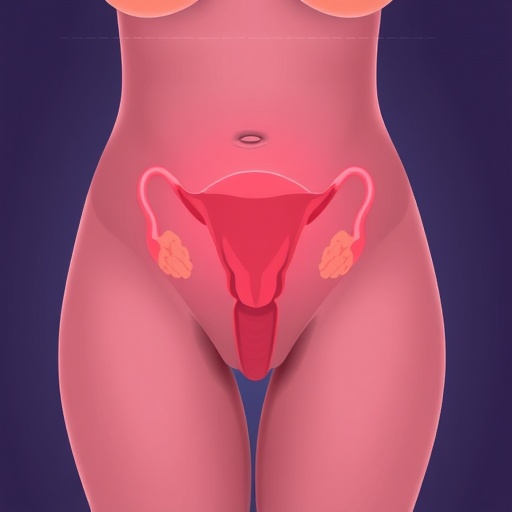
Endometriosis occurs when tissue resembling the lining of the uterus grows elsewhere in the body, most commonly around the ovaries, fallopian tubes, and other pelvic structures. Although the disease is best known for causing severe menstrual pain, chronic pelvic pain, infertility, and painful sexual intercourse, scientists increasingly recognize it as a systemic inflammatory disorder. Lesions can release inflammatory molecules, alter immune activity, and affect surrounding tissues, potentially creating biological effects that extend beyond the reproductive system.
The new research suggests that the metabolic consequences of endometriosis may depend on where the disease is located and how extensively it has spread. Rather than treating endometriosis as one uniform condition, the investigators examined different disease subtypes. The strongest association with type 2 diabetes appeared among women with extra-pelvic endometriosis, in which endometriosis-related tissue is found outside the pelvis. This pattern raises the possibility that more extensive or biologically aggressive disease may be associated with a greater degree of systemic inflammation or other physiological changes.
Type 2 diabetes develops when the body becomes resistant to insulin or cannot produce enough insulin to maintain normal blood glucose levels. Insulin resistance is influenced by genetics, body composition, physical activity, diet, aging, hormonal signals, and inflammation. Chronic inflammation can interfere with insulin signaling inside cells, making it more difficult for tissues such as muscle and liver to respond effectively to insulin. The researchers believe that inflammatory pathways associated with endometriosis could contribute to this process, although the study did not directly measure the molecular mechanisms responsible for the observed association.
“Our findings add to a growing understanding that endometriosis may affect more than reproductive health alone,” said Fuzak Nunziato, the study’s lead author. Previous studies generally evaluated endometriosis as a single disease and reported little or no overall relationship with type 2 diabetes. By separating the condition into subtypes and examining risk across different demographic groups, the ARCHES analysis may have revealed patterns that were hidden in earlier research.
One of the most unexpected findings was that the association was strongest among women who had not yet reached menopause and among women without obesity. Obesity is one of the best-established risk factors for type 2 diabetes, so researchers often expect the relationship between inflammation and diabetes to be most visible in people with higher body weight. The results suggest that endometriosis may identify a different pathway to metabolic disease—one that could operate independently of obesity-related insulin resistance.
The findings do not prove that endometriosis causes type 2 diabetes. Because the study relied on existing health records, the researchers could identify associations but could not establish a direct cause-and-effect relationship. Other factors may have influenced the results, including differences in medical care, medication use, lifestyle, family history, socioeconomic conditions, and the likelihood that women with endometriosis regularly interact with the health-care system. The severity and timing of endometriosis diagnoses may also vary, and some cases may have gone undetected.
Even with these limitations, the scale of the study makes the findings difficult to dismiss. Endometriosis affects approximately one in 10 women of reproductive age, yet diagnosis can take years because symptoms are sometimes normalized or attributed to other conditions. If future studies confirm the connection, clinicians may eventually consider metabolic risk when caring for patients with endometriosis, particularly those with extra-pelvic disease or other indicators of extensive inflammation. Earlier attention to blood glucose, blood pressure, cholesterol, physical activity, and other cardiometabolic factors could help identify preventable risks before diabetes develops.
The researchers emphasize that more work is needed to determine whether endometriosis-related inflammation directly affects insulin signaling, whether specific immune molecules connect the two conditions, and whether treatment of endometriosis changes later diabetes risk. Long-term studies incorporating laboratory measurements, imaging, medication histories, and detailed information about disease severity could help answer those questions. For now, the study expands the medical understanding of endometriosis from a disorder primarily associated with pain and fertility to one that may also have important implications for whole-body health.
News Publication Date: 6-Aug-2026
Web References: https://link.springer.com/article/10.1007/s00125-026-06828-w
References: Diabetologia. DOI: 10.1007/s00125-026-06828-w
Cite Scienmag News
Daisy Hatcher. (August 10, 2026). Endometriosis Linked to 46% Higher Type 2 Diabetes Risk in Women. Scienmag. https://scienmag.com/endometriosis-linked-to-46-higher-type-2-diabetes-risk-in-women/
Daisy Hatcher. "Endometriosis Linked to 46% Higher Type 2 Diabetes Risk in Women." Scienmag, 10 August 2026, https://scienmag.com/endometriosis-linked-to-46-higher-type-2-diabetes-risk-in-women/. Accessed 3 September 2026.
Daisy Hatcher. "Endometriosis Linked to 46% Higher Type 2 Diabetes Risk in Women." Scienmag. August 10, 2026. https://scienmag.com/endometriosis-linked-to-46-higher-type-2-diabetes-risk-in-women/


