


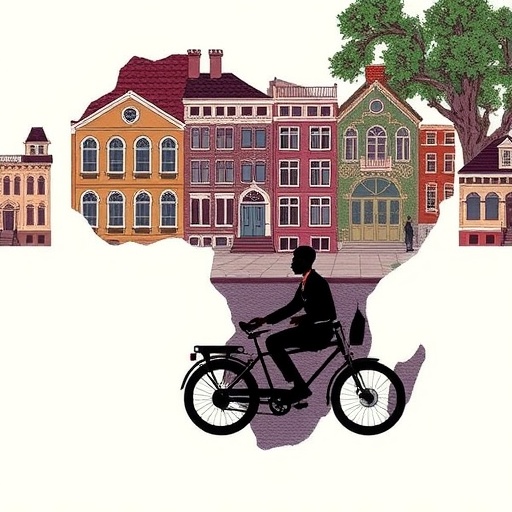
In an era characterized by unprecedented urbanization, cities across Africa are witnessing an explosive growth in population and urban spaces. With the continent’s demographic landscape radically shifting, there is a pressing need for innovative urban mobility solutions that not only enhance accessibility but also incorporate the socio-cultural contexts of African populations. The recent paper titled “Afrocentric urban mobility model for smart inclusive African cities,” authored by Azeez, R.O., Bhatt, S., Farinloye, T., et al., presents a groundbreaking approach aimed at reimagining urban mobility within the continent, promoting inclusivity and sustainability.
The authors delve into the complexities of African urban environments, emphasizing that traditional Western models of urban mobility may not sufficiently address the unique challenges faced by cities on the continent. Issues such as informal transportation systems, varying socio-economic strata, and insufficient infrastructure emerge as critical factors that must be considered in developing a relevant urban mobility framework. This research posits that an Afrocentric model, grounded in local cultural contexts and experiences, can significantly improve urban mobility and the overall quality of life for millions.
Drawing inspiration from various ethnicities and communities across Africa, the authors systematically construct a framework that identifies key determinants of mobility preferences. They highlight how factors such as gender, economic status, and geographical location influence the transport choices of individuals. Understanding these nuances is essential for designing transport systems that resonate with the actual needs and aspirations of urban residents.
Furthermore, the study presents empirical data gathered through qualitative interviews, surveys, and community workshops. The participants, representing a diverse cross-section of African urban dwellers, offered invaluable insights into their commuting habits, pain-points, and aspirations for the future of urban mobility. Through this participatory approach, the authors illuminate the importance of community engagement in the planning process, arguing that top-down policies may fail without the backing of local populations.
Among the critical recommendations made by the authors is the integration of technology in urban mobility solutions. Leveraging advancements in mobile applications, data analytics, and smart sensor technologies can facilitate real-time tracking of transport options and enhance the overall experience for commuters. Such innovations could potentially reduce travel times and increase safety, delivering a much-needed boost to the efficiency of urban transport systems across various African contexts.
Another key element of the proposed model is the emphasis on multi-modal transportation systems. This concept advocates for the seamless integration of diverse transport modes, such as buses, bicycles, walking paths, and informal shared rides, into a cohesive network. An effective multi-modal system not only increases accessibility but also promotes sustainability by encouraging residents to opt for greener methods of transportation. The vision is clear: cater to the diverse mobility needs of the population while reducing urban congestion and carbon emissions.
Moreover, the research emphasizes the need for inclusive mobility policies, which specifically account for marginalized groups such as women, the elderly, and individuals with disabilities. By designing urban transport systems that ensure equity and accessibility for all, cities can foster environments in which every individual, regardless of their background, can navigate urban spaces with ease. The authors lay a particular focus on safe routes, well-lit transport hubs, and gender-sensitive planning, highlighting the practical implications of adopting an inclusive lens in urban mobility projects.
Moreover, the implementation of such models requires comprehensive policy reforms alongside infrastructural changes. The authors explore the synergy between local governments, private stakeholders, and civil society to create a cohesive push towards intelligent urban mobility planning. This collaboration is crucial for mobilizing resources, expertise, and community knowledge, leading to more sustainable urban development. The paper calls for multi-sectoral partnerships that elevate local voices and adapt solutions to local contexts.
In conclusion, Azeez et al.’s research is not only timely but also vital for the future of urban living in Africa. By centering the discourse on Afrocentric models of urban mobility, the authors contribute to the development of frameworks that are culturally relevant and responsive to the unique challenges faced by African cities. Their findings lay the groundwork for ongoing discussions and actions aimed at transforming urban transport into a sustainable and inclusive service for all.
As urbanization trends continue to shape the African landscape, there has never been a more urgent need for localized solutions to enhance mobility. The framework proposed in this research stands as a beacon of hope, illustrating the potential that lies within community-driven approaches to urban planning. By prioritizing the voices of those most affected by mobility issues, African cities can build a future where every citizen can efficiently and safely traverse their urban environments.
The implications of this research transcend academic discourse; they can inform policymakers, urban planners, and community advocates committed to fostering livable cities. As smart and inclusive African cities become not just a goal but a necessity, the Afrocentric urban mobility model highlights a pathway towards transformative urban landscapes that resonate with the cultural and social realities of the continent.
In the end, the continuous interplay between urban growth, technological advancement, and cultural identity will dictate the success of mobility initiatives in Africa. By grounding these efforts in the lived experiences of urban residents, a more equitable and efficient future is not only possible—it is within reach.
Azeez, R.O., Bhatt, S., Farinloye, T. et al. Afrocentric urban mobility model for smart inclusive African cities.
Discov Cities 2, 124 (2025). https://doi.org/10.1007/s44327-025-00165-0
Cite Scienmag News
Courtney Benton. (December 12, 2025). Empowering African Cities: Afrocentric Urban Mobility Solutions. Scienmag. https://scienmag.com/empowering-african-cities-afrocentric-urban-mobility-solutions/
Courtney Benton. "Empowering African Cities: Afrocentric Urban Mobility Solutions." Scienmag, 12 December 2025, https://scienmag.com/empowering-african-cities-afrocentric-urban-mobility-solutions/. Accessed 3 September 2026.
Courtney Benton. "Empowering African Cities: Afrocentric Urban Mobility Solutions." Scienmag. December 12, 2025. https://scienmag.com/empowering-african-cities-afrocentric-urban-mobility-solutions/


