


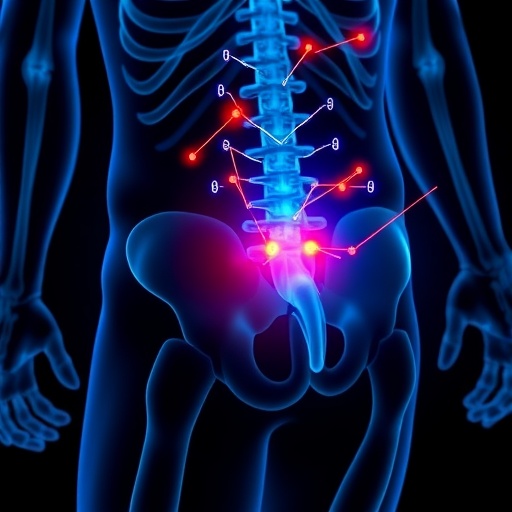
A groundbreaking new clinical trial has delivered compelling evidence supporting the use of electroacupuncture to accelerate urinary continence recovery following prostatectomy, a surgical procedure often associated with significant urinary incontinence. This innovative approach, merging traditional Chinese medicine with modern clinical techniques, promisingly integrates into multidisciplinary rehabilitation protocols aimed at reducing the burden of early postoperative urinary incontinence.
The randomized clinical trial meticulously evaluated the effects of electroacupuncture on men undergoing prostatectomy, a procedure commonly necessitated by prostate cancer treatment. Urinary incontinence remains a notorious and distressing postoperative complication, profoundly impacting patients’ quality of life. The study’s rigorously designed methodology ensured that the observed benefits could be attributed confidently to the adjunctive electroacupuncture intervention, abetting standard care without compromising safety or efficacy.
Electroacupuncture involves the insertion of fine needles at acupuncture points, which are then stimulated with mild electrical currents. This technique differs substantially from traditional acupuncture by amplifying signal intensity and possibly eliciting enhanced neuromodulatory responses. The trial hypothesized that such stimulation could facilitate neuroregeneration or improve pelvic floor muscle function, thus supporting faster restorative mechanisms of urinary continence post-surgery.
Participants in the trial were randomly assigned to receive either conventional postoperative care or combined care with supplemental electroacupuncture sessions. The trial’s endpoints assessed continence status through validated objective measures at multiple postoperative intervals. The findings revealed that those receiving electroacupuncture achieved continence milestones significantly earlier, suggesting a robust, clinically meaningful therapeutic effect.
From a mechanistic perspective, the trial posits that electroacupuncture may influence autonomic nerve pathways pivotal in bladder control and pelvic floor integrity. Electrophysiological modulation possibly enhances local blood flow, reduces inflammation, and expedites nerve healing—factors crucial for regaining urinary muscle tone and reflexes after radical prostatectomy. These biological underpinnings make electroacupuncture a scientifically plausible adjunct in rehabilitative urology.
The safety profile of the electroacupuncture intervention was meticulously monitored throughout the trial, with no significant adverse events reported. This favorable risk-to-benefit ratio underscores the modality’s potential as an accessible, low-cost, and non-pharmacological therapeutic complement. Importantly, this approach circumvents the systemic side effects often associated with pharmacological agents traditionally prescribed for post-prostatectomy incontinence.
Integrating electroacupuncture into multimodal rehabilitation protocols introduces a paradigm shift in postoperative care. Instead of relying exclusively on pelvic floor physical therapy or pharmacotherapy, patients might benefit from a holistic regimen that potentiates neuro-muscular recovery through electrical stimulation applied via acupuncture points. This innovative strategy aligns with the increasing emphasis on personalized and integrative medical approaches that optimize patient-centered outcomes.
The study’s implications extend beyond prostatectomy recovery, hinting at broader applications of electroacupuncture in other forms of urinary dysfunction. Chronic pelvic pain syndromes, neurogenic bladder disorders, and female stress urinary incontinence might also benefit from neuromodulatory interventions that harness similar principles. Further expansive trials will be vital to delineate the scope and limitations of this promising adjunct therapy.
This clinical trial, conducted with rigorous randomization and controlled parameters, exemplifies the evolving interface between conventional Western medicine and traditional Chinese medical practices. Its publication in a prestigious open-access journal allows immediate, free dissemination among clinicians, researchers, and rehabilitation specialists worldwide, accelerating the translational impact of these findings.
The corresponding author of this study, Dr. Xuefeng Qiu, brings substantial expertise to this interdisciplinary research, reflecting a comprehensive understanding of both urological surgery and integrative therapeutic modalities. Interested parties are encouraged to engage directly for collaborative opportunities or clinical implementation inquiries, underscoring the translational relevance of this research in contemporary medical practice.
As the field of postoperative rehabilitation continues to evolve, such evidence-based integration of electroacupuncture could revolutionize recovery protocols by enhancing the speed and completeness of continence restoration. This innovative approach not only alleviates patient distress but also holds potential economic benefits by reducing the duration of incontinence management and associated healthcare resource utilization.
In summary, the first randomized clinical trial of its kind unequivocally demonstrates that electroacupuncture significantly accelerates urinary continence recovery after prostatectomy. This finding supports the timely incorporation of electroacupuncture into comprehensive multimodal rehabilitation programs, enhancing recovery outcomes and reducing patients’ postoperative incontinence burden.
The promising results elevate electroacupuncture from a complementary or alternative practice to a scientifically validated adjunct capable of refining standard urological postoperative care. Future research will be essential to optimize stimulation parameters, frequency, and integration with other therapeutic modalities to maximize patient benefit.
With urinary incontinence presenting a persistent challenge following prostatectomy, this study ushers in a new era of rehabilitation, offering hope for improved quality of life through innovation grounded in clinical rigor and interdisciplinary collaboration.
News Publication Date: [Not provided]
Web References: [Not provided]
References: (doi: 10.1001/jamanetworkopen.2025.34491)
Cite Scienmag News
Ophelia Keating. (September 30, 2025). Electroacupuncture Shows Promise for Early Urinary Incontinence Following Radical Prostatectomy. Scienmag. https://scienmag.com/electroacupuncture-shows-promise-for-early-urinary-incontinence-following-radical-prostatectomy/
Ophelia Keating. "Electroacupuncture Shows Promise for Early Urinary Incontinence Following Radical Prostatectomy." Scienmag, 30 September 2025, https://scienmag.com/electroacupuncture-shows-promise-for-early-urinary-incontinence-following-radical-prostatectomy/. Accessed 4 September 2026.
Ophelia Keating. "Electroacupuncture Shows Promise for Early Urinary Incontinence Following Radical Prostatectomy." Scienmag. September 30, 2025. https://scienmag.com/electroacupuncture-shows-promise-for-early-urinary-incontinence-following-radical-prostatectomy/


