


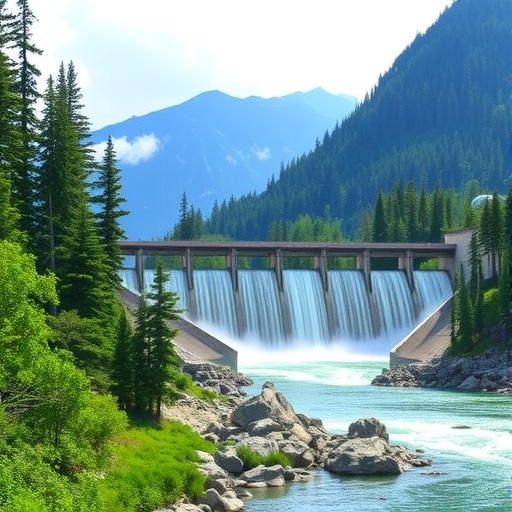
In the recent study conducted by Yang et al., the intricate relationship between cascade hydropower dam construction and riparian vegetation in the Yalong River Basin has been meticulously examined. This research tackles a pressing concern in environmental science: how the proliferation of hydropower projects affects the ecosystems surrounding water bodies. With the growing demand for renewable energy sources, understanding the environmental implications of hydropower is crucial for both conservation and energy policy.
The Yalong River Basin, known for its rich biodiversity and complex ecosystems, serves as a critical area of study in understanding the impacts of human interference on natural habitats. The construction of cascade hydropower dams has often been promoted as a sustainable solution to the energy crisis. However, the findings from this research reveal that such projects may also lead to significant ecological disturbances, particularly to plant life along riverbanks. This is a vital concern, as riparian vegetation plays a crucial role in stabilizing ecosystems, supporting wildlife, and maintaining water quality.
Recent surveys conducted across the Yalong River Basin showed that the construction and operation of these dams have altered natural patterns of water flow, sediment transport, and nutrient cycling. These changes can have dire consequences for riparian zones, which are the transitional areas between land and water ecosystems. The study details how modifications to these zones can lead to reduced plant diversity, shifts in species composition, and potentially the disappearance of certain native vegetation types.
The cascading construction of dams often fragments the landscape, creating isolated patches of habitat that can disrupt the migratory patterns of various species. This fragmentation complicates ecological interactions, as it impedes plant reproduction and dispersal processes. Members of the research team meticulously recorded the vegetation types present before and after dam constructions, demonstrating shifts that showcased a marked decrease in native and endemic plant species, while invasive species began to proliferate in response to the disturbances wrought by dam operations.
Water quality degradation is another vital aspect of the research. The dams impact not only the quantity but also the quality of water in the river basin. Changes in temperature, turbidity, and nutrient levels can create less favorable conditions for native plants. Specifically, increases in nutrient levels can lead to eutrophication, which significantly alters plant communities and can cause harmful algal blooms, further threatening local aquatic life.
The study also emphasizes the socio-economic implications of hydropower development in the region. While the dams may provide energy and economic opportunities to local communities, they simultaneously threaten the very ecosystems that support these communities. The loss of riparian vegetation can impact local agriculture, water supply, and the health of fisheries which many residents rely on for their livelihoods. As such, the research advocates for a comprehensive evaluation of the trade-offs associated with hydropower projects, emphasizing a more balanced approach to energy development that incorporates ecological considerations.
One of the most alarming findings from the study indicates the long-term ramifications of hydropower development. Many ecological effects can manifest over several years, making it difficult to discern immediate impacts from those that unfold gradually. Continuous monitoring and research are necessary to establish a clearer timeline of ecological responses to dam construction. The authors call for establishing long-term ecological studies that would provide ongoing insights into the dynamics of riparian habitats.
Importantly, the study highlights potential mitigation strategies to alleviate some of the negative impacts on riparian vegetation. The construction of fish passages, maintaining minimum water flow downstream, and ensuring a buffer zone for vegetation can help restore some balance. Moreover, integrating ecological principles into the planning and implementation phases of hydropower development might preserve the integrity of local ecosystems more effectively.
While the construction of cascade hydropower dams presents an energy solution for many countries, the Yalong River Basin’s plight illustrates the complexities surrounding such developments. The findings of Yang et al. should prompt policymakers and stakeholders to rethink the implications of hydropower projects, considering not only their energy potential but also their ecological footprint. The key takeaway is that sustainable development must encompass a holistic view that prioritizes the preservation of vital ecosystems alongside energy needs.
Furthermore, this research serves as a cautionary tale for regions facing similar hydropower development pressures. By sharing the experiences and findings from the Yalong River Basin, there exists an opportunity to guide future projects toward more environmentally conscious designs. Stakeholders must engage with scientific research to create regulations that protect riparian zones while promoting sustainable energy practices.
The urgency of addressing these ecological concerns cannot be overstated, especially in a world increasingly reliant on renewable energy sources. The research underscores that the future of hydropower must be predicated on an understanding of environmental stewardship. Moving forward, all parties must strive for synergy between technological advancement and ecological preservation, ensuring that the Earth’s water sources remain vibrant and life-sustaining for generations to come.
Ultimately, the study encourages ongoing dialogues among ecologists, energy policymakers, and local communities to foster collaborative approaches that preserve biodiversity while addressing energy demands. It highlights the need to critically evaluate and innovate hydropower practices, ensuring they remain a viable option without sacrificing the health of the ecosystems that support them. The insights garnered from this work pave the way for a future where energy, ecology, and community resilience go hand in hand.
As the energy landscape continues to evolve, the implications of Yang et al.’s study will resonate across the globe, urging a rethink of how we engage with our natural ecosystems in the face of technological and industrial progress. Shaping a sustainable future hinges on the ability to reconcile human interests with the intricate web of life that sustains us all.
In trying to balance the growing energy demands with ecological integrity, this body of research serves as a pivotal contribution to the ongoing discourse on sustainability, urging stakeholders to prioritize not just immediate benefits, but also long-term ecological health. Educated decision-making informed by studies such as this one could lead to the development of renewable energy sources that genuinely reflect a commitment to preserving our planet’s natural resources, ensuring a greener future.
The story of the Yalong River Basin is not merely about dams and power generation; it is a cautionary reminder of the responsibility that comes with innovation. The interconnections between energy production and ecological health are profound, and navigating this complex relationship with care could very well define the success of future sustainable practices in an increasingly energy-hungry world.
In conclusion, the challenges and opportunities presented by cascade hydropower dams epitomize the larger environmental challenges we face today. The research conducted by Yang et al. offers a valuable perspective on the critical need for holistic approaches to energy development, understanding that the health of our ecosystems is inextricably linked to our ability to harness the power of nature without depleting its resources.
Cite Scienmag News
Violet Maxwell. (August 27, 2025). Effects of Cascade Hydropower Dams on Riparian Vegetation. Scienmag. https://scienmag.com/effects-of-cascade-hydropower-dams-on-riparian-vegetation/
Violet Maxwell. "Effects of Cascade Hydropower Dams on Riparian Vegetation." Scienmag, 27 August 2025, https://scienmag.com/effects-of-cascade-hydropower-dams-on-riparian-vegetation/. Accessed 6 September 2026.
Violet Maxwell. "Effects of Cascade Hydropower Dams on Riparian Vegetation." Scienmag. August 27, 2025. https://scienmag.com/effects-of-cascade-hydropower-dams-on-riparian-vegetation/


