


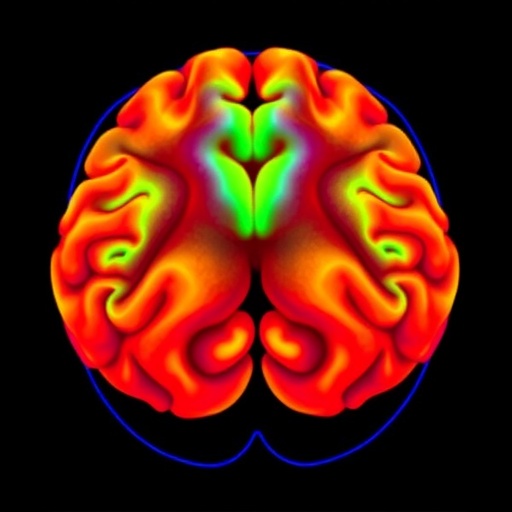
In a pioneering study set to redefine our understanding of Alzheimer’s disease, researchers led by Nakagawa, T., Xie, J.L., and Park, K. have uncovered a critical early disruption of dopamine signaling within the entorhinal cortex (EC) of a specialized knock-in mouse model. This breakthrough finding, published recently in Nature Neuroscience, sheds light on previously uncharted territory in Alzheimer’s pathology, pinpointing dopamine deficits in a brain region integral to memory and spatial navigation long before overt neurodegeneration manifests. The implications extend beyond fundamental neuroscience, potentially opening novel avenues for early diagnosis and therapeutic intervention in one of the most devastating neurodegenerative diseases.
Alzheimer’s has traditionally been characterized by hallmark amyloid plaques and neurofibrillary tangles, primarily affecting the hippocampus and neocortex. However, this study challenges and extends that paradigm by shifting focus to the entorhinal cortex, a hub of neural integration that funnels crucial sensory and cognitive information into the hippocampus. Using an innovative genetic knock-in model that faithfully replicates human Alzheimer’s pathology, the researchers meticulously analyzed how dopamine neurotransmission in the EC is affected at nascent disease stages, unveiling a subtle yet significant decline in dopamine integrity that precedes typical pathological markers.
Central to this work is the entorhinal cortex’s role in orchestrating both memory consolidation and spatial orientation, functions that are profoundly impaired in Alzheimer’s disease. By employing a combination of state-of-the-art optogenetic tools, electrophysiological recordings, and advanced neurochemical assays, the team was able to observe dopamine neuron activity and synaptic dynamics with unprecedented precision. Their findings demonstrate that dopaminergic signaling, often overshadowed by the focus on cholinergic and glutamatergic systems in Alzheimer’s, is markedly compromised early in the disease process. This early dopamine deficit disrupts the delicate excitation-inhibition balance critical for normal EC function, thereby likely contributing to initial cognitive decline.
The methodologies employed in this study are at the cutting edge of neuroscience research. Researchers utilized a genetically modified mouse line harboring humanized Alzheimer’s-linked mutations that enable assessment of pathological progression while preserving physiological dopamine circuits. High-resolution in vivo calcium imaging provided dynamic visualization of dopaminergic neuron activity, revealing diminished firing rates and altered synaptic transmission within EC circuits. Complementary mass spectrometry analyses confirmed reductions in dopamine and its metabolites, strengthening the case for dopaminergic vulnerability as a pivotal early event.
Intriguingly, the team discovered that this dopamine disruption does not merely represent a downstream effect of amyloid or tau pathology but constitutes a primary pathogenic mechanism that may drive or exacerbate subsequent neurodegenerative cascades. This challenges the existing linear model of Alzheimer’s progression and underscores the entorhinal dopamine system as a potential ‘Achilles’ heel’ in disease onset. By integrating molecular, physiological, and behavioral assays, the researchers provided compelling evidence that dopamine dysfunction correlates temporally and mechanistically with early memory deficits in their model.
Beyond mechanistic insights, this discovery carries profound clinical ramifications. Dopaminergic pathways are pharmacologically tractable, with a range of established agents modulating dopamine receptors and synthesis presently used in neuropsychiatric disorders. Targeting early dopamine perturbations in the entorhinal cortex could, therefore, inaugurate a transformative preventative or disease-modifying therapeutic strategy. Current Alzheimer’s treatments are largely symptomatic and fail to arrest progression; intervening at the dopamine disruption stage could prevent or delay debilitating cognitive impairments from surfacing.
Moreover, the identification of early dopamine deficits opens novel diagnostic possibilities. The entorhinal cortex lies deep within the medial temporal lobe, making noninvasive imaging of dopamine dynamics challenging but not insurmountable. Advances in positron emission tomography (PET) ligands targeting dopamine transporters or receptors, combined with high-resolution magnetic resonance imaging (MRI), could facilitate early detection of subtle dopaminergic imbalances in at-risk individuals, possibly decades before clinical symptoms arise. Such early biomarkers are crucial for timely intervention, clinical trial enrichment, and personalized medicine approaches.
The interdisciplinary nature of this research, combining genetics, neurobiology, chemistry, and behavioral science, demonstrates the increasing sophistication with which neuroscience confronts complex disorders such as Alzheimer’s. By focusing on early-stage pathophysiology in a physiologically relevant model, the study bypasses the ambiguity of end-stage neuropathology and emphasizes the dynamic processes that initiate disease progression. This paradigm shift fosters optimism that unraveling early dopaminergic changes may illuminate the elusive preclinical phase of Alzheimer’s, crucial for effective therapy development.
In addition to dopamine circuitry alterations, the researchers explored downstream effects on entorhinal-hippocampal network function. Electrophysiological analyses revealed perturbations in theta oscillations, which are essential for mnemonic processes. These oscillatory disturbances correlated tightly with dopamine depletion levels, suggesting a mechanistic link wherein dopamine modulates network rhythms that are pivotal for encoding and retrieving memories. This intersection between neurotransmitter dysfunction and network dynamics enriches our understanding of how localized molecular changes propagate through neural circuits to manifest as cognitive deficits.
It is noteworthy that the entorhinal cortex’s unique vulnerability stems from its dense dopaminergic innervation juxtaposed with delicate synaptic architecture. The study posits that the interplay between genetic predispositions and environmental insults could exacerbate dopamine system instability in this region, hastening pathological outcomes. By delineating this susceptibility, future investigations may identify environmental modifiers or lifestyle factors that mitigate dopaminergic compromise, yielding preventive strategies complementary to pharmacological interventions.
While this work positions dopamine disruption as an early and critical driver of Alzheimer’s pathology, questions remain about the precise molecular mechanisms by which amyloid-beta and tau aberrations impinge upon dopamine neurons. The study’s detailed molecular profiling hints at oxidative stress, mitochondrial dysfunction, and inflammatory signaling as potential mediators. Disentangling these pathways represents an essential next step that could unveil additional therapeutic targets capable of preserving dopamine neurotransmission and neuronal health.
Importantly, this research amplifies the growing consensus that Alzheimer’s disease is not a monolithic entity but a complex, multifactorial syndrome with multiple interacting pathogenic pathways. By identifying dopaminergic deficits specifically in the entorhinal cortex, the work supports a more nuanced model recognizing regional and neurochemical heterogeneity. Such a conceptual framework harmonizes diverse clinical phenotypes and could ultimately guide more precise biomarker and treatment development tailored to individual patient profiles.
The study also highlights the utility of advanced animal models that recapitulate specific genetic and biochemical hallmarks of human Alzheimer’s disease while preserving native neural circuit integrity. This balance is crucial for translating findings into the clinic, as many previous models either overexpress pathological proteins or lack translational relevance. The knock-in model used here represents an impressive methodological advance enabling dissection of subtle neurotransmitter perturbations at disease initiation.
Looking forward, the integration of these findings with human studies will be critical. Efforts to validate the presence of early entorhinal dopamine deficits in patients using innovative imaging and cerebrospinal fluid biomarkers are already underway. If confirmed, such translational work could underpin clinical trials testing dopaminergic agents in prodromal Alzheimer’s populations, marking a paradigm shift toward neurochemical intervention prior to irreparable neuronal loss.
In sum, Nakagawa and colleagues have unveiled a previously unrecognized dimension of Alzheimer’s disease pathogenesis that spotlights early dopaminergic impairment in the entorhinal cortex as a critical catalyst of cognitive decline. By framing dopamine disruption not as a late consequence but as an upstream driver, this study challenges entrenched dogma and opens exciting new horizons for research, diagnosis, and treatment of a condition that affects millions worldwide. Their work is a testament to the power of multidisciplinary science to illuminate the complex circuitry of brain disease and inspire hope for future breakthroughs.
Cite Scienmag News
Diana Fleming. (April 23, 2026). Early Dopamine Loss in Alzheimer’s Entorhinal Cortex. Scienmag. https://scienmag.com/early-dopamine-loss-in-alzheimers-entorhinal-cortex/
Diana Fleming. "Early Dopamine Loss in Alzheimer’s Entorhinal Cortex." Scienmag, 23 April 2026, https://scienmag.com/early-dopamine-loss-in-alzheimers-entorhinal-cortex/. Accessed 5 September 2026.
Diana Fleming. "Early Dopamine Loss in Alzheimer’s Entorhinal Cortex." Scienmag. April 23, 2026. https://scienmag.com/early-dopamine-loss-in-alzheimers-entorhinal-cortex/


