


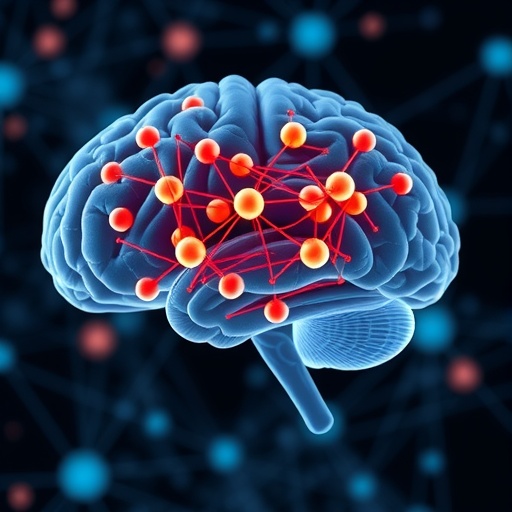
In the rapidly evolving landscape of neuropsychiatric research, childhood ADHD (attention-deficit/hyperactivity disorder) continues to present a formidable puzzle for scientists and clinicians alike. The latest review by Cai and Mizuno, published in Translational Psychiatry in 2026, marks a significant stride in decoding this complex disorder by dynamically integrating neurocognitive models of inhibitory control and reward processing systems. This comprehensive synthesis not only reshapes our understanding of ADHD’s underlying neural circuitry but also propels the field towards innovative computational frameworks, offering promising avenues for intervention and precision medicine.
ADHD, characterized by pervasive symptoms of inattention, hyperactivity, and impulsivity, has traditionally been conceptualized through static biopsychological lenses. However, this new review challenges conventional perspectives by emphasizing the need for dynamic models that capture real-time neural and cognitive fluctuations. Cai and Mizuno meticulously examine how the interplay between inhibitory control—the brain’s braking system—and reward sensitivity—the motivational driver—in children with ADHD can be mapped using advanced computational tools. Their approach highlights the temporal and contextual variability of these functions, fundamentally altering how we perceive the disorder’s neurocognitive signature.
Central to the discourse is the concept of inhibitory control, mediated largely by prefrontal cortical regions such as the dorsolateral prefrontal cortex and the anterior cingulate cortex. These areas govern the suppression of inappropriate or premature responses, a mechanism that is frequently impaired in children with ADHD. The review posits that traditional cross-sectional studies have underestimated the dynamic fluctuations in inhibitory processes, which can vary significantly within individuals over time and across different environmental contexts. To tackle this, Cai and Mizuno advocate for dynamic modeling frameworks that integrate behavioral data with electrophysiological and neuroimaging signals, thereby enabling a richer, time-resolved characterization of inhibitory control deficits.
Equally pivotal is the role of the reward system. The dopaminergic pathways, especially those involving the ventral striatum and the orbitofrontal cortex, are essential for anticipating and processing rewards. Children with ADHD often display altered reward sensitivity, manifesting as heightened impulsivity and a preference for immediate over delayed gratification. Here, the authors build on computational reinforcement learning models to elucidate how reward prediction errors and the asynchronous valuation of outcomes influence decision-making in ADHD. Their dynamic modeling approach captures how reward processing anomalies fluctuate across developmental stages and environmental stimuli, offering insights into the disorder’s heterogeneity and its manifestation in various behavioral phenotypes.
Importantly, Cai and Mizuno underscore the interconnectedness of inhibitory and reward systems, advocating that ADHD should not be viewed as damage to isolated neural circuits but rather as a disruption in their dynamic crosstalk. Through systems neuroscience perspectives and computational simulations, the review delineates how these two core systems reciprocally influence each other, modulating attention, motivation, and behavioral regulation. This holistic framework aligns with emerging evidence from longitudinal neuroimaging studies demonstrating altered functional connectivity patterns that fluctuate over time in children with ADHD.
The authors also delve into the methodological advancements underpinning these insights. Dynamic causal modeling (DCM) and Bayesian hierarchical models, among other computational tools, enable researchers to reconcile high-dimensional neuroimaging data with the observed behavioral variability. These techniques facilitate the capture of network-level interactions and temporal dynamics, thereby refining diagnostic classification and enhancing predictive accuracy for treatment responses. By leveraging such innovative methodologies, the review sets a new benchmark in quantitative clinical neuroscience.
Therapeutically, this dynamic, neurocognitive perspective holds profound implications. The review proposes that interventions targeting ADHD—be they pharmacologic, behavioral, or neuromodulatory—could be optimized by tailoring treatment timing and type based on an individual’s moment-to-moment neural and cognitive profile. For instance, stimulant medications may differentially modulate inhibitory control and reward sensitivity circuits depending on the child’s current neurodynamic state. Similarly, cognitive training paradigms could be designed to reinforce adaptive connectivity patterns, fostering long-term functional improvements.
Notably, the synthesis calls for greater integration of real-world data and ecological momentary assessments to validate these dynamic models in naturalistic settings. Capturing the brain-behavior dynamics of inhibitory control and reward processing outside the lab will be critical in translating computational findings into meaningful clinical outcomes. This translational vision aligns with the precision medicine paradigm, promising bespoke therapeutic strategies that reflect the fluid and context-dependent nature of ADHD symptoms.
The review also addresses developmental trajectories, highlighting that neurocognitive disruptions in ADHD are not static deficits but evolve as children mature. Dynamic modeling affords the ability to chart these developmental pathways, potentially distinguishing children who may experience symptom remission from those at risk for persistent impairment or comorbidities. This temporal mapping could enable earlier identification of at-risk individuals and foster proactive, targeted early interventions.
Furthermore, by emphasizing cross-disciplinary collaboration, Cai and Mizuno advocate for a convergence of computational neuroscience, clinical psychology, pharmacology, and developmental neurobiology. Such collaboration is indispensable for developing robust dynamic models that capture the multifaceted nature of ADHD and its varied presentations. The authors envision a future where these integrative frameworks will underpin longitudinal cohort studies, clinical trials, and ultimately guide policy decisions regarding ADHD diagnosis and management.
Critically, the review acknowledges current limitations and knowledge gaps, including the need for standardized data sharing protocols, larger multi-site datasets, and improved model interpretability. It calls for transparent methodological reporting and reproducibility initiatives to accelerate scientific progress. Moreover, ethical considerations concerning data privacy and the implementation of algorithmic decision-making in clinical contexts warrant careful deliberation.
In essence, Cai and Mizuno’s landmark review ushers in a paradigm shift in ADHD research by harnessing the power of dynamic computational modeling within neurocognitive frameworks. Their elucidation of the intricate, time-sensitive interplay between inhibitory control and reward systems not only enriches theoretical understanding but promises to revolutionize clinical practice through personalized, adaptive interventions. As the field embraces these data-driven, nuanced perspectives, the future of childhood ADHD treatment stands on the brink of transformative breakthroughs.
This pioneering synthesis is poised to galvanize researchers and clinicians, inspiring a wave of innovation aimed at unraveling the elusive neural choreography that underpins ADHD. By capturing the disorder’s inherent dynamism, the work opens an exciting frontier for science and medicine—one where the static shadows of past models give way to vibrant, evolving portraits of childhood neurodevelopmental health.
Cite Scienmag News
Glenn Wilkins. (March 27, 2026). Dynamic Neurocognitive Models of ADHD: Inhibition and Reward. Scienmag. https://scienmag.com/dynamic-neurocognitive-models-of-adhd-inhibition-and-reward/
Glenn Wilkins. "Dynamic Neurocognitive Models of ADHD: Inhibition and Reward." Scienmag, 27 March 2026, https://scienmag.com/dynamic-neurocognitive-models-of-adhd-inhibition-and-reward/. Accessed 3 September 2026.
Glenn Wilkins. "Dynamic Neurocognitive Models of ADHD: Inhibition and Reward." Scienmag. March 27, 2026. https://scienmag.com/dynamic-neurocognitive-models-of-adhd-inhibition-and-reward/


