


Glucagon-like peptide-1 receptor agonists, the class of drugs behind semaglutide and tirzepatide, have transformed the treatment of type 2 diabetes and obesity, and their use is now expanding toward cardiovascular, musculoskeletal and anti-inflammatory benefits. Yet as prescriptions multiply worldwide, psychiatrists are asking an uncomfortable question: could these drugs influence suicidal thinking? A new opinion article published in Frontiers in Synaptic Neuroscience by Milica M. Borovcanin and Ivica Petrovic of the University of Kragujevac argues that the answer lies in a factor often overlooked in the debate—inflammation—and that the same biology that might raise risk in some patients could make these drugs therapeutic in others.
The connection between metabolic disease and mental illness is well established. In consultative work within endocrinology departments, physicians frequently observe psychotic symptoms or cognitive changes in patients with poorly controlled glycemia, sometimes progressing to delirium. A German study found that the prevalence of affective disorders in patients with type 2 diabetes is twice as high as in those without the disease. Depression, with its attendant risk of suicidality, sits at the endpoint of this metabolic spectrum. The overlap is not coincidental: atypical antipsychotics, which spare dopamine but trigger metabolic syndrome, hyperlipidemia and diabetes, illustrate how tightly the two domains are coupled, and the shared neurotransmission substrates revealed by drugs such as the GABA analog pregabalin—approved first for diabetic neuropathic pain and later tested for generalized anxiety disorder—underscore the point.
Inflammation is increasingly recognized as a therapeutic target in neuropsychiatric disorders, and type 2 diabetes is associated with acute and chronic stress and a systemic proinflammatory state. These mechanisms activate the hypothalamic-pituitary-adrenal axis, drive hepatic glycogenolysis, hyperglycemia, hyperlipidemia and insulin resistance, and contribute to core depressive features such as anhedonia, emotional dysregulation and cognitive slowing. Animal models have identified interaction pathways between the brain and adipose tissue, and between the brain and the microbiota, indicating that peripheral events strongly influence central nervous system activity and behavior. The focus, the authors argue, should not be solely on glycemic regulation but on immunometabolism as a route to depression onset.
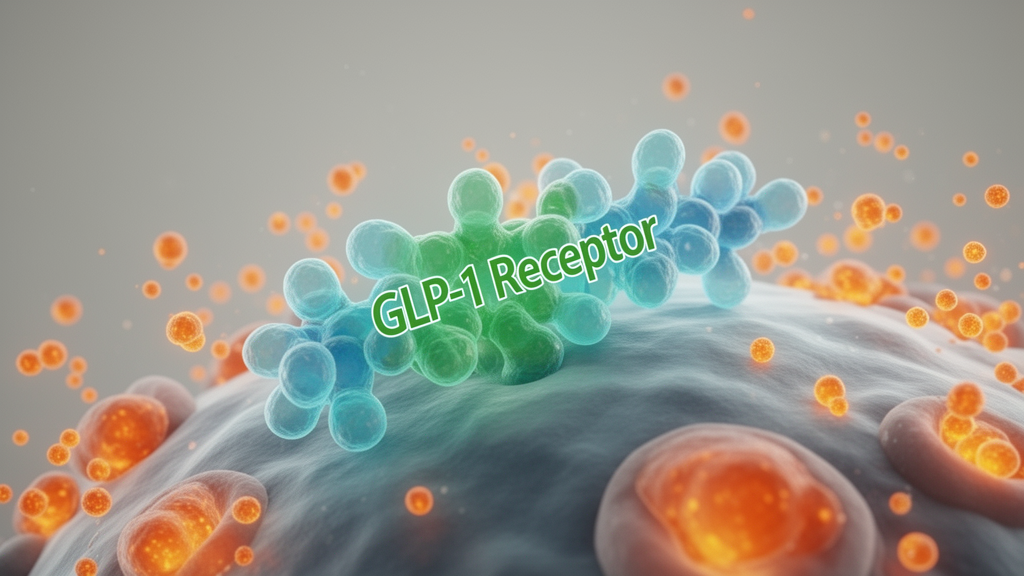
The etiopathogenesis of type 2 diabetes is complex, encompassing insulin resistance in liver, muscle and adipose tissue, impaired insulin secretion, beta-cell dysfunction, immune dysregulation and meta-inflammation, hyperglucagonemia, disrupted gut microbiota, increased gastric glucose absorption, renal adaptation with enhanced glucose reabsorption and gluconeogenesis, decreased dopamine and heightened sympathetic tone in the brain. The new generation of drugs acts on the reduced secretion or effectiveness of glucagon-like peptide-1, a gastrointestinal hormone that regulates pancreatic islet function, enhances insulin production, reduces glucagon output and modulates satiety and gastric motility. GLP-1 receptors are found throughout the body and in the brain: activation produces hypophagic effects in the ventral hippocampus, and the agonists suppress appetite via cells of the circumventricular organs around the third and fourth brain ventricles, which transmit signals to deeper brain structures. Crucially, these compounds reduce central neuroinflammation by lowering interleukin-1 beta, interleukin-6 and tumor necrosis factor-alpha, and by limiting oxidative stress.
This biology intersects with a growing movement in precision psychiatry to classify subpopulations of patients with inflammatory depression, characterized by elevated inflammatory markers, increased glucose and lipid levels, neurovegetative symptoms, anxiety or irritability, and suicidal ideation. For this subtype, therapeutic strategies should target inflammation, immunometabolism and neurotransmitter metabolism, which makes the use of GLP-1 receptor agonists in these patients seem justified. Dual strategies that address metabolic disorders and depression simultaneously, the authors suggest, appear reasonable.
What does the safety record actually show? The picture is genuinely mixed. The U.S. Food and Drug Administration issued a warning in 2024 about suicidal thoughts or actions in patients taking these medicines, then in 2026 requested removal of the suicidal behavior and ideation warning from GLP-1 receptor agonist labels. The European Medicines Agency stated in 2024 that it found no evidence of an association. World Health Organization pharmacovigilance data show variable associations with depression and suicidality depending on the agent used, and meta-analyses have found no differences compared with other diabetes drugs, though a higher risk was noted with liraglutide, while semaglutide appears less frequently linked to suicidality than liraglutide. Meanwhile, retrospective cohort studies of obese or diabetic patients have reported no link—or even improvement—with reduced risk of sudden or recurrent suicidal thoughts, and a large cohort study of type 2 diabetes patients using active comparators found no difference. Genetic proxy activation of GLP-1 receptors showed reduced risk for anxiety, depression or emotional lability, and a French nationwide case-time-control study of completed suicides and attempts found no specific risk related to prior psychiatric history or obesity during GLP-1 receptor agonist use.
No clear causal mechanism linking the drugs to suicidality has been established, and the authors propose inflammation as the missing link that could explain both beneficial and unwanted effects. A simplified account is that inflammation is ameliorated by these drugs—but, they caution, we do not fully know what happens when a longstanding pathological balance is abruptly disturbed across cascades of chronic stress and the reward system, involving leptin and ghrelin, GABA and dopamine, together with smoldering inflammation. The mechanistic detail is intricate: GLP-1 administration enhances satiety, indirectly prolongs fasting periods, reduces meal frequency and decreases meal-initiation pleasure via dopamine pathways. It also reduces meta-inflammation and inhibits leptin resistance. The resulting satiety, provided by leptin, blocks ghrelin and reduces the indirect pleasure of food intake. Ghrelin normally acts on reward pathways by stimulating dopamine neurons in the ventral tegmental area and promoting dopamine turnover in the nucleus accumbens, and it suppresses orexigenic neurons through GABA-dependent signaling. Reduced orexigenic activity is associated with improved sleep—which is essential for alleviating depression and decreasing suicidality—while insomnia may itself contribute to depression and suicidality by increasing inflammation, implying that the anti-inflammatory properties of GLP-1 receptor agonists could be doubly beneficial.
Recent preclinical work adds a striking twist. The GLP-1 receptor system appears to have evolved, at least in part, to regulate feeding-related motivation. As Gao and colleagues recently described, when energy balance is positive, GLP-1 receptor signaling dampens activity in the brain’s reward circuitry and reduces effort-based food seeking, a phenomenon also observed in other motivated behaviors. The signaling seems to influence affective behavior depending on energy levels: in the short term it could shift from exploration to conservation, redirecting external exploration toward internal regulation. Conversely, long-term treatment promotes anxiolytic and antidepressant effects rather than a fleeting interoceptive response. This timing matters clinically, because the beneficial effects of these medications are rooted in endocrine physiology rather than willpower, and guidelines indicate they show their effects only after extended periods of consistent dosing without complete discontinuation. Following intensive therapy with tirzepatide, treatment must continue to promote long-term weight maintenance, especially with comorbid type 2 diabetes—suggesting that prolonged dosing could benefit non-responders by ameliorating depressive symptoms and suicidality.
Clinical trials are now directly testing these questions. An eight-week Phase II trial will evaluate depressive symptoms with tirzepatide in patients with obesity and alcohol use disorder, and a Phase IV study will assess whether semaglutide improves depressive symptoms over 26 weeks in patients with major depressive disorder who also have overweight or obesity. The authors note it will be particularly insightful to study the drugs’ impact on affective symptoms during the maintenance phase or after discontinuation. In the meantime, they propose a prescribing triad: the response profile depends on the properties of the specific drug; the patient’s primary somatic diagnosis—diabetes, obesity, or both, with additional comorbidities—must be considered crucial; and mental disturbances or a formal psychiatric diagnosis must be taken into account. Patients can be divided at the start of treatment into those with depression and those without, with particular attention to mood disorders and suicidality risk, and schizophrenia may also be a context for these immunometabolic strategies.
One further warning deserves emphasis: rapid and substantial weight loss can itself produce significant mental disturbances, and in bariatric surgery an association between depression and peripheral inflammation has been observed regardless of obesity, with intensified baseline inflammation predicting poorer weight loss six months after surgery. The authors conclude that only an integrative approach is justified: endocrinologists should include basic psychological exploration and refer to a psychiatrist if psychopathology appears, at the start of treatment and longitudinally, while all desired and unwanted effects are presented to patients and unrealistic aims are discussed to avoid frustration. The effects of these drugs beyond the desired outcomes, they write, should not be minimized—they are far more potent than the marketing concept of GLP-1 care suggests.
Subject of Research: The potential link between GLP-1 receptor agonist use, inflammation, depression and suicidality
Article Title: Suicidality as a potential risk and therapeutic target during widespread GLP-1 receptor agonists use: implications of inflammation
Article References: Borovcanin, M. M., & Petrovic, I. (2026). Suicidality as a potential risk and therapeutic target during widespread GLP-1 receptor agonists use: implications of inflammation. Frontiers in Synaptic Neuroscience, 18, Article 1869086. https://doi.org/10.3389/fnsyn.2026.1869086
Image Credits: AI Generated
DOI: 10.3389/fnsyn.2026.1869086
Keywords: GLP-1 receptor agonists, semaglutide, tirzepatide, suicidality, inflammation, type 2 diabetes, obesity, depression, leptin, ghrelin, dopamine, immunometabolism
Cite Scienmag News
Glenn Wilkins. (October 16, 2026). Do GLP-1 Weight-Loss Drugs Raise Suicide Risk? Inflammation May Hold the Answer. Scienmag. https://scienmag.com/do-glp-1-weight-loss-drugs-raise-suicide-risk-inflammation-may-hold-the-answer/
Glenn Wilkins. "Do GLP-1 Weight-Loss Drugs Raise Suicide Risk? Inflammation May Hold the Answer." Scienmag, 16 October 2026, https://scienmag.com/do-glp-1-weight-loss-drugs-raise-suicide-risk-inflammation-may-hold-the-answer/. Accessed 16 October 2026.
Glenn Wilkins. "Do GLP-1 Weight-Loss Drugs Raise Suicide Risk? Inflammation May Hold the Answer." Scienmag. October 16, 2026. https://scienmag.com/do-glp-1-weight-loss-drugs-raise-suicide-risk-inflammation-may-hold-the-answer/


