


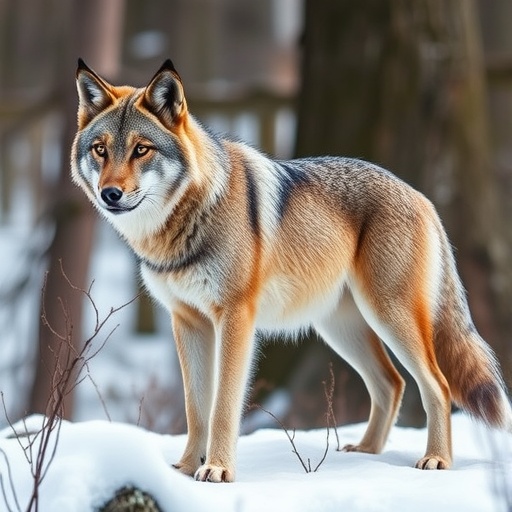
In a groundbreaking study published in Front Zool, researchers undertook a molecular analysis of scats to illuminate the diet and prey preferences of grey wolves and Eurasian lynxes inhabiting the transition zone between the Dinaric Mountains and the Alps. This crucial investigation not only sheds light on the feeding behavior of these apex predators but also offers valuable insights into the broader ecological dynamics of the region, which includes their impact on local prey populations.
The Dinaric Alps and their foothills serve as a unique ecological contact zone where various species intersect, leading to intriguing interactions among predator and prey dynamics. The grey wolf, a highly adaptable predator, and the Eurasian lynx, known for its solitary nature, both play pivotal roles in maintaining ecological balance within their habitats. Understanding their dietary choices can provide key information about the health of these ecosystems.
Utilizing modern molecular techniques, the research team, led by Buzan and colleagues, analyzed DNA sequences extracted from wolf and lynx scats. This method allowed for precise identification of prey species that were consumed, going beyond traditional observational methods that can often lead to ambiguities. The ability to decode genetic material from fecal matter signifies a leap forward in wildlife dietary studies, enabling researchers to create a more accurate picture of a predator’s dietary habits.
The findings of this study reveal that grey wolves predominantly hunt ungulates, including deer and wild boar, while Eurasian lynxes tend to prey on smaller mammals such as hares and rodents. This eating pattern not only reflects each predator’s hunting strategies but also underscores the competition that exists between these species, particularly in areas where their territories overlap. Analyzing the dietary overlap can help conservationists understand potential competition for resources amidst rapidly changing environmental conditions.
Furthermore, the study highlighted the importance of seasonality in predator-prey dynamics. Seasonal changes impact food availability, which in turn affects hunting behaviors and prey choices. During summer, for instance, the availability of small mammals increases, which could lead to shifts in the dietary patterns of both wolves and lynxes. Understanding these fluctuations is essential for effective wildlife management strategies that aim to conserve these species and their habitats.
Another critical aspect of this research is the role that large carnivores play in shaping ecosystem health. By regulating herbivore populations, both grey wolves and Eurasian lynxes prevent overgrazing and promote biodiversity in their habitats. The molecular analysis of scats not only informs us about their diets but also serves as an indicator of the ecological functions they fulfill within the alpine and subalpine environments of the Dinaric Alps.
The study also underscores the necessity of continuous monitoring of these apex predators, especially in light of environmental changes and human-related pressures such as habitat fragmentation and poaching. As their habitats become increasingly encroached upon, understanding their food sources and hunting behaviors could provide insight into how these carnivores adapt to changing landscapes and ecological stressors.
Moreover, the involvement of local communities and stakeholders is vital in conserving these majestic creatures. Engaging the public through conservation efforts can augment the perception of the ecological importance of grey wolves and lynxes, fostering coexistence strategies that benefit both wildlife and human communities. Education on the ecological significance of these carnivores could mitigate potential conflicts and promote conservation initiatives aimed at protecting their habitats.
In conclusion, Buzan et al.’s investigation into the dietary habits of grey wolves and Eurasian lynxes through molecular analysis marks a significant stride in wildlife ecology. It emphasizes the intricate connections between predator and prey in these unique ecosystems, providing a framework for future research, conservation strategies, and policy-making. As we move forward in an era marked by ecological challenges, such studies will be paramount in informing us about the resilience and adaptability of wildlife in a rapidly changing world.
By revealing the clandestine lives of these elusive carnivores, the findings herald a new age of ecological understanding that combines molecular science with conservation biology. With each step taken to unveil the mysteries of the natural world, we pave the way for protective measures that can help secure a sustainable future for iconic species like the grey wolf and the Eurasian lynx amid the backdrop of the Dinaric Mountains and the Alps.
Buzan, E., Potočnik, H., Pokorny, B. et al. Molecular analysis of scats revealed diet and prey choice of grey wolves and Eurasian lynx in the contact zone between the Dinaric Mountains and the Alps. Front Zool 21, 9 (2024). https://doi.org/10.1186/s12983-024-00530-6
Cite Scienmag News
Margaret Porter. (September 2, 2025). DNA Reveals Diet and Prey of Wolves and Lynx. Scienmag. https://scienmag.com/dna-reveals-diet-and-prey-of-wolves-and-lynx/
Margaret Porter. "DNA Reveals Diet and Prey of Wolves and Lynx." Scienmag, 2 September 2025, https://scienmag.com/dna-reveals-diet-and-prey-of-wolves-and-lynx/. Accessed 4 September 2026.
Margaret Porter. "DNA Reveals Diet and Prey of Wolves and Lynx." Scienmag. September 2, 2025. https://scienmag.com/dna-reveals-diet-and-prey-of-wolves-and-lynx/


