


Dietary treatment is more effective than medications in irritable bowel syndrome (IBS). These are the findings of a study conducted at the University of Gothenburg. With dietary adjustments, more than seven out of ten patients had significantly reduced symptoms.

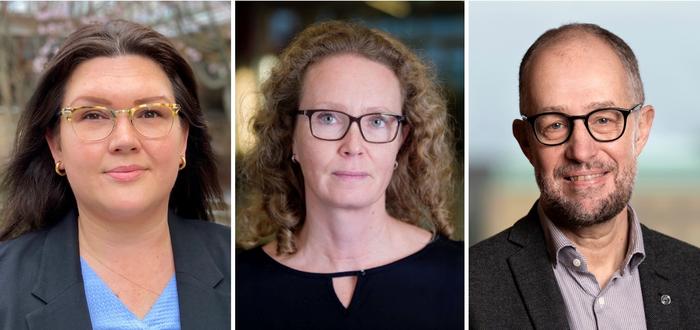
Credit: Photo by Margareta G. Kubista), Malin Arnesson and Johan Wingborg
Dietary treatment is more effective than medications in irritable bowel syndrome (IBS). These are the findings of a study conducted at the University of Gothenburg. With dietary adjustments, more than seven out of ten patients had significantly reduced symptoms.
Irritable bowel syndrome (IBS) is a common diagnosis that causes abdominal pain, gas and abdominal bloating, diarrhea, and constipation, in various combinations and with varying degrees of severity.
Treatment often consists of dietary advice such as eating small and frequent meals and avoiding excessive intake of food triggers such as coffee, alcohol and fizzy drinks. Patients may also be given medications to improve specific symptoms, such as gas or constipation, diarrhea, bloating or abdominal pain. Antidepressants are sometimes used to improve symptoms in IBS.
The current study, published in The Lancet Gastroenterology & Hepatology, compared three treatments: two dietary and one based on use of medications. The participants were adult patients with severe or moderate IBS symptoms at Sahlgrenska University Hospital in Gothenburg.
More symptom relief after dietary adjustment
The first group was given traditional IBS dietary advice, focusing on eating behavior combined with low intake of fermentable carbohydrates, known as FODMAPs. These include e.g. products with lactose, legumes, onions, and grains, which ferment in the colon and can cause pain in IBS.
The second group received a dietary treatment low in carbohydrates and proportionally high in protein and fat. In the third group, the best possible medication was given based on the patient’s most troublesome IBS symptoms.
Each group included around 100 participants and the treatment periods lasted four weeks. When the researchers then examined how well the participants responded to the treatments, using an established IBS symptom scoring scale, the results were clear.
Of those who received traditional IBS dietary advice and low content of FODMAPs, 76% had significantly reduced symptoms. In the group receiving low carbohydrates and high protein and fat, the proportion was 71%, and in the medication group 58%.
All groups reported significantly better quality of life, less physical symptoms and less symptoms of anxiety and depression.
The importance of personalization
At a six-month follow-up, when participants in the dietary groups had partially returned to their previous eating habits, a large proportion still had clinically significant symptom relief; 68% in the traditional dietary advice and low FODMAP group, and 60% in the low-carbohydrate diet group.
The study was led by Sanna Nybacka, Researcher and Dietician, Stine Störsrud, Associate Professor, and Magnus Simrén, Professor and Senior Consultant, all at Sahlgrenska Academy, University of Gothenburg.
“With this study, we can show that diet plays a central role in the treatment of IBS, but that there are several alternative treatments that are effective,” says Sanna Nybacka.
“We need more knowledge about how to best personalize the treatment of IBS in the future and we will further investigate whether there are certain factors that can predict whether individuals will respond better to different treatment options,” she concludes.
Journal
The Lancet Gastroenterology & Hepatology
Method of Research
Randomized controlled/clinical trial
Subject of Research
People
Article Title
A low FODMAP diet plus traditional dietary advice versus a low-carbohydrate diet versus pharmacological treatment in irritable bowel syndrome (CARBIS): a single-centre, single-blind, randomised controlled trial
Article Publication Date
18-Apr-2024
Cite Scienmag News
Daisy Hatcher. (April 18, 2024). Dietary treatment more effective than medicines in IBS. Scienmag. https://scienmag.com/dietary-treatment-more-effective-than-medicines-in-ibs/
Daisy Hatcher. "Dietary treatment more effective than medicines in IBS." Scienmag, 18 April 2024, https://scienmag.com/dietary-treatment-more-effective-than-medicines-in-ibs/. Accessed 4 September 2026.
Daisy Hatcher. "Dietary treatment more effective than medicines in IBS." Scienmag. April 18, 2024. https://scienmag.com/dietary-treatment-more-effective-than-medicines-in-ibs/

