


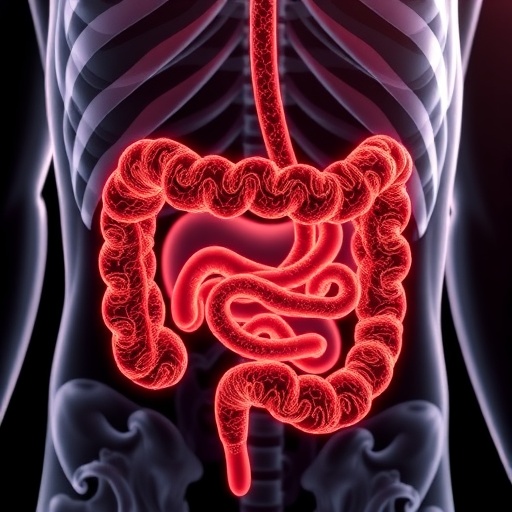
For individuals living with HIV, the advent of antiretroviral therapy (ART) has transformed what was once a fatal diagnosis into a manageable chronic condition. While ART effectively suppresses viral replication, allowing patients to maintain near-normal life expectancy, it does not fully address all physiological sequelae of the infection. Among the persistent complications is damage to the intestinal mucosa, a critical interface between the immune system and the external environment. This disruption in gut integrity is increasingly recognized as a driver of chronic systemic inflammation, contributing to a spectrum of comorbidities including cardiovascular disease, neurocognitive decline, and metabolic dysfunction.
A pioneering study from Tulane University, recently published in JCI Insight, unravels part of this complex puzzle, investigating how long-term ART affects gut immune homeostasis and exploring potential nutritional interventions that might alleviate this residual mucosal impairment. Led by Namita Rout, associate professor at the Tulane National Biomedical Research Center, the research employs a sophisticated nonhuman primate model infected with Simian Immunodeficiency Virus (SIV), which closely parallels human HIV infection both clinically and immunologically.
The study reveals that despite the successful suppression of SIV replication through extended ART, key immune functions necessary for intestinal barrier repair remain compromised. Specifically, populations of gamma delta (γδ) T cells and innate lymphoid cells (ILCs) were found to be disrupted in number and function. These immune cell types are instrumental in preserving mucosal integrity, as they orchestrate the secretion of cytokines and growth factors that regulate epithelial regeneration and immune tolerance, establishing a finely tuned equilibrium within the gut microenvironment.
Central to these findings is the impairment of the Aryl Hydrocarbon Receptor (AHR) and RAR-related Orphan Receptor gamma t (RORγt) signaling pathways, which govern the development and activity of γδ T cells and ILCs. The AHR–RORγt axis modulates mucosal immune responses and tissue repair mechanisms, and its dysregulation in ART-treated SIV infection appears to be a linchpin in the failure to restore full gut mucosal health. This molecular insight advances our understanding of persistent intestinal barrier dysfunction despite viral control.
Intriguingly, the research extends beyond elucidation of pathophysiology to experimental dietary modulation. The team administered a broccoli-based supplement, rich in indole compounds, to a subset of SIV-infected primates undergoing ART. Indoles, naturally occurring phytochemicals particularly abundant in cruciferous vegetables such as broccoli and cabbage, are known ligands for the AHR. Over the course of one month, treated animals exhibited biochemical and immunological markers indicative of enhanced gut barrier integrity, including restoration of γδ T cell populations and normalized ILC function.
This dietary intervention suggests that gut immune pathways retain responsiveness to environmental inputs even after prolonged viral suppression. The implication that functional immune restoration can be modulated nutritionally is a paradigm shift, opening potential avenues for adjunct therapies that go beyond antiviral suppression. Nonetheless, the researchers emphasize that this data is preliminary and derived from a limited animal cohort, calling for rigorous clinical evaluation before extrapolating to human HIV treatment paradigms.
The study’s implications resonate deeply within the broader context of HIV medicine. Despite ART’s efficacy in controlling viremia, chronic inflammation remains an ominous problem, underpinning accelerated aging and comorbidity risk in people living with HIV. This persistent immune activation is partly attributed to microbial translocation stemming from damaged gut epithelia. By decoding the specific immune deficits driving epithelial dysfunction, this work provides a rationale for targeted nutritional or pharmacologic strategies designed to recalibrate mucosal immunity and potentially mitigate systemic inflammation.
Mechanistically, the preservation or restoration of γδ T cells and ILC populations may re-establish the homeostatic cytokine milieu, fostering regeneration of tight junction proteins and enhancing mucin production within the intestinal epithelium. Such effects collectively strengthen the mucosal barrier, limiting exposure to microbial products like lipopolysaccharides that trigger systemic immune activation. This study thus bridges a critical gap between molecular immunology and translational nutrition science in HIV care.
Furthermore, these findings emphasize the gut as an immunological sanctuary in HIV and related retroviral infections, where conventional ART does not uniformly revert the complex immune dysregulation caused by chronic infection. This nuanced understanding underscores the need for a multi-disciplinary approach integrating virology, immunology, and nutritional science to holistically address HIV-associated pathologies. It may also provide insights applicable to other chronic inflammatory conditions characterized by intestinal barrier disruption.
Rout and colleagues’ investigation also raises broader questions about the interplay between diet-derived bioactive compounds and mucosal immune regulation. Given the global burden of HIV and the universal accessibility of dietary interventions, understanding the pharmacodynamics of indoles and other phytochemicals in the context of immune recovery is a promising frontier. Rigorous clinical trials are warranted to define dosage, safety, and efficacy parameters, as well as to explore synergistic effects with existing antiretroviral regimens.
In summary, this groundbreaking research elucidates that while ART controls viral replication effectively, it falls short of fully restoring immune-mediated maintenance of the gut barrier. The identification of the AHR–RORγt axis as a key mediator in this process, coupled with evidence that dietary indoles can positively modulate this pathway, positions non-pharmacological approaches as potentially critical components in managing HIV-associated chronic inflammation. Ultimately, these insights offer hope for enhancing the quality of life and long-term health outcomes for millions living with HIV worldwide.
News Publication Date: 22-May-2026.
Web References:
Cite Scienmag News
Daisy Hatcher. (May 22, 2026). Diet-Derived Compound Shows Promise in Repairing HIV-Induced Gut Damage, Study Finds. Scienmag. https://scienmag.com/diet-derived-compound-shows-promise-in-repairing-hiv-induced-gut-damage-study-finds/
Daisy Hatcher. "Diet-Derived Compound Shows Promise in Repairing HIV-Induced Gut Damage, Study Finds." Scienmag, 22 May 2026, https://scienmag.com/diet-derived-compound-shows-promise-in-repairing-hiv-induced-gut-damage-study-finds/. Accessed 4 September 2026.
Daisy Hatcher. "Diet-Derived Compound Shows Promise in Repairing HIV-Induced Gut Damage, Study Finds." Scienmag. May 22, 2026. https://scienmag.com/diet-derived-compound-shows-promise-in-repairing-hiv-induced-gut-damage-study-finds/


