


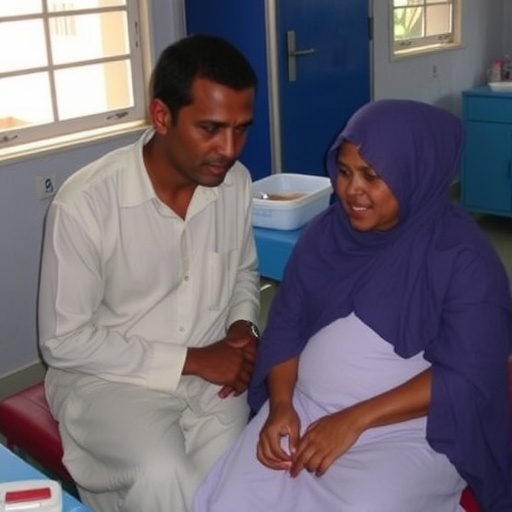
In the realm of public health, the silent yet alarming rise of diabetic ketoacidosis (DKA) among diabetic patients offers a poignant reminder of the urgent challenges faced by healthcare systems globally, and especially in regions that are grappling with humanitarian crises. In a recent study conducted in northern Sudan, researchers have documented the prevalence and patterns of DKA among diabetic individuals who presented for treatment during a particularly challenging time, shedding light on an underrecognized but critical aspect of diabetes management. With more than a modest acknowledgment of the complexities surrounding diabetes, this study reveals the dire implications that both socioeconomic and healthcare inadequacies can have on the wellbeing of patients suffering from this chronic condition.
As the study unfolded within the context of the humanitarian crisis in 2025, researchers Ahmed et al. swiftly addressed the multifaceted nature of DKA. It is crucial to note that DKA is not merely a consequence of poorly managed diabetes, but also reflects a broader spectrum of neglect within healthcare frameworks that fail to support vulnerable populations. The research highlights that socioeconomic factors, including food insecurity and lack of access to insulin and other medical resources, exacerbate the risk of DKA among individuals living with diabetes, illustrating the unrelenting cycle of poverty and health challenges in crisis zones.
The findings of this cross-sectional study were revealing; it was alarming yet not surprising to find that DKA is not only a complication of diabetes, but also a preventable condition when proper education, resources, and healthcare access are available. Patients were often presenting at hospitals in severe metabolic distress, suggesting that their condition had reached critical levels before intervention could take place. Shifting the focus towards preventive measures and education could potentially reduce the occurrence of DKA. This aspect of health education cannot be overstated, as timely treatment and proper management of diabetes are necessary to avoid the complications inherent to this condition.
Moreover, the study showcased a worrying trend among the demographic most affected, which included younger adults and children, further implicating the need for tailored health services that specifically cater to younger populations suffering from diabetes. Alarmingly, many of these young patients had been living with diabetes without a proper support system in place, leading to profound misunderstandings of their condition and inadequate monitoring of blood glucose levels. In light of such sobering trends, the role of healthcare professionals as educators comes to the forefront, emphasizing their crucial part in bridging knowledge gaps in communities.
Access to necessary medication, like insulin, has also been a critical topic within the study. Interviews revealed that many diabetic patients in northern Sudan simply could not obtain insulin regularly due to scarcity and high costs, which often left them with no choice but to forgo their treatment. This situation not only increases their risk for DKA but reflects a systemic failure to prioritize diabetic care. It begs the question: how can a nation begin to address such fundamental issues that contribute to preventable health crises?
To complicate matters, the ongoing humanitarian crisis, which has led to severe resource shortages, greatly impacts the supply chain of essential medicines and healthcare services. Healthcare providers are often left to manage an influx of patients presenting with acute complications, such as DKA, with inadequate resources, making emergency care a monumental challenge. This crisis illustrates a need for immediate intervention strategies that elevate diabetic care to a priority level amidst broader health concerns.
Following the researchers’ assessments, it is evident that investment in sustainable healthcare solutions is urgent. Educational programs aimed at community awareness around diabetes and its complications must be established, not only to help prevent DKA but also to foster a supportive environment for those impacted by diabetes. Furthermore, the establishment of dedicated support networks could serve to empower patients, offering them guidance and resources so they are better equipped to manage their condition.
Although DKA may manifest swiftly and severely, it does not have to be the fatal outcome many individuals face. With advances in clinical management, there is a pivotal opportunity for health systems to implement protocols that prioritize early detection and intervention. Training healthcare providers in both urban and rural settings to recognize the early signs of DKA could be transformative. The question remains: how can we ensure these protective measures reach the most affected populations, especially within a framework challenged by socioeconomic barriers?
The study ultimately contributes invaluable insights to the global dialogue surrounding diabetes care, particularly in fragile contexts. As diabetes prevalence escalates worldwide, it is critical that healthcare initiatives are designed to comprehend and tackle the intricate, interwoven challenges posed by socio-economic hardships. Fostering an inclusive approach where health policies are not merely reactive, but proactive, should be the goals of healthcare authorities moving ahead, providing necessary health coverage for diabetic patients and ensuring that no one is left behind in managing their chronic conditions.
The nuanced challenges illustrated in the research compel us to think beyond conventional healthcare models. As we strive for equitable health outcomes, adapting our strategies to fit the unique needs of populations affected by crises will be essential in preventing the spiraling complexities of DKA and other complications of diabetes.
In conclusion, the alarming rise of DKA presents a compelling call to action. Addressing this public health concern requires comprehensive strategies that encompass education, resource allocation, and a commitment to sustaining healthcare in the most challenging environments. Only with such dedication can we hope to alleviate the burden of diabetic complications and promote healthy, thriving communities in the face of adversity.
Ahmed, A.A.O., Mounfali, M.A.A., Yassin, T. et al. Prevalence and patterns of diabetic ketoacidosis (DKA) among diabetic patients presenting to hospitals in northern state, Sudan: a cross-sectional study during the 2025 humanitarian crisis.
BMC Endocr Disord (2025). https://doi.org/10.1186/s12902-025-02114-9
Cite Scienmag News
Ophelia Keating. (November 26, 2025). Diabetic Ketoacidosis in Northern Sudan: A 2025 Study. Scienmag. https://scienmag.com/diabetic-ketoacidosis-in-northern-sudan-a-2025-study/
Ophelia Keating. "Diabetic Ketoacidosis in Northern Sudan: A 2025 Study." Scienmag, 26 November 2025, https://scienmag.com/diabetic-ketoacidosis-in-northern-sudan-a-2025-study/. Accessed 4 September 2026.
Ophelia Keating. "Diabetic Ketoacidosis in Northern Sudan: A 2025 Study." Scienmag. November 26, 2025. https://scienmag.com/diabetic-ketoacidosis-in-northern-sudan-a-2025-study/


