


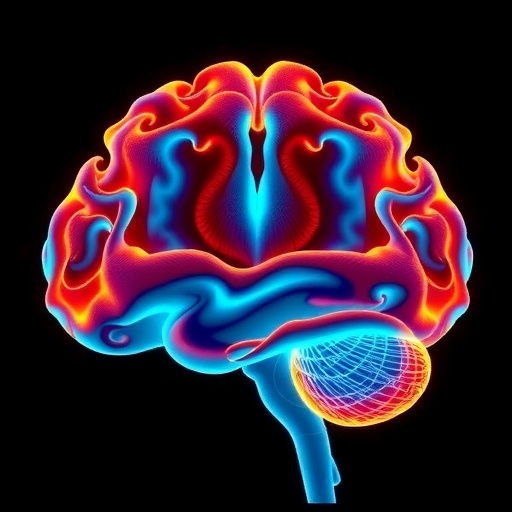
In a groundbreaking study set to reshape our understanding of depression, researchers have identified discrete defects in the primary hippocampal circuit that correspond closely with depression-like phenotypes. This revelation, published in Translational Psychiatry, ushers in a new era in neuroscience where the intricate neural pathways implicated in mood disorders can be mapped with unprecedented specificity. By elucidating the fine structural and functional abnormalities within the hippocampus, the study offers not only fresh insights into depression’s core neurobiological mechanisms but also potential avenues for targeted therapeutic interventions.
The hippocampus, traditionally known for its pivotal role in memory formation and spatial navigation, has long been implicated in affective disorders such as depression. However, parsing out the precise neural alterations linked with depressive states has proven elusive due to the hippocampus’s complex organization and connectivity. This new research harnesses advanced neuroimaging techniques alongside molecular profiling to pinpoint specific circuit abnormalities rather than broad hippocampal atrophy or dysfunction. Such precision marks a significant departure from previous models, which have generally treated the hippocampus as a functionally homogeneous unit.
What makes these findings particularly compelling is the identification of discrete defects localized to the primary hippocampal circuit. This circuit, crucial for integrating signals within the hippocampus and relaying information to other brain regions involved in mood regulation, exhibits distinct anomalies in subjects exhibiting depression-like behaviors. These anomalies are characterized by aberrant synaptic connectivity and altered neurotransmitter dynamics, which likely contribute to the maladaptive neural processing underlying depressive symptomatology. By focusing on this circuit, the researchers shed light on the mechanistic underpinnings of depression at a granular level.
The methodology employed in this study is a testament to the evolving landscape of neuroscience research. Multimodal analysis combined in vivo electrophysiology, high-resolution imaging, and sophisticated behavioral assessments to draw correlations between circuit-level defects and depression phenotypes in rodent models. Importantly, the use of translational models ensures that the observed phenomena are not merely artifacts of experimental design but reflect potential realities in human neuropathophysiology. This bridging of preclinical and clinical paradigms is what makes the study a harbinger of next-generation psychiatric research.
Delving into the electrophysiological findings reveals how synaptic transmission within the hippocampus is disrupted in the context of depression. Specifically, alterations in long-term potentiation (LTP) and long-term depression (LTD), essential processes for synaptic plasticity and memory encoding, were markedly impaired. These deficits compromise the hippocampus’s ability to adapt to stimuli, which might manifest clinically as the cognitive and emotional rigidity often observed in depressive patients. The study proposes that such plasticity disruptions are central to the persistence and severity of depressive episodes.
Neurochemical analyses further accentuated the circuit-level perspective by uncovering imbalances in excitatory and inhibitory neurotransmitters within the hippocampus. Anomalies in glutamatergic and GABAergic signaling were documented, indicating a skewed excitatory-inhibitory balance that disrupts normal hippocampal rhythms and information processing. This dysregulation not only impairs memory-related functions but also destabilizes mood regulation pathways, offering a dual explanation for some of the hallmark symptoms of depression.
Beyond neurotransmitter imbalances, molecular markers associated with synaptic integrity, such as synapsin and PSD-95, were found to be altered in the defective hippocampal circuits. The downregulation of these proteins points to a structural deterioration of synaptic contacts, which reinforces the hypothesis that depression entails neurodegenerative components at the microscopic level. This discovery dovetails with emerging theories that consider depression a disease of neural circuit dysfunction and structural plasticity failures rather than merely a chemical imbalance.
Behavioral assays conducted parallel to the molecular assessments demonstrated that rodents with experimentally induced hippocampal circuit defects exhibit hallmark features of depression—anhedonia, social withdrawal, and increased despair-like behaviors. The robust correlation between these behavioral phenotypes and the specific hippocampal impairments underscores the functional relevance of the identified circuit abnormalities. Moreover, it signals potential biomarkers that could be harnessed for early diagnosis or monitoring of treatment efficacy.
Perhaps most notably, the study hints at therapeutic possibilities that leverage the neuroplastic nature of hippocampal circuits. Pharmacological agents aimed at restoring synaptic connectivity and rebalancing neurotransmitter systems showed promise in reversing some of the depressive phenotypes in animal models. These findings invigorate the hope for precision medicine approaches in psychiatry, moving beyond generalized treatments to circuit-specific interventions that offer improved efficacy and reduced side effects.
The implications extend to emerging neuromodulatory therapies such as deep brain stimulation (DBS) and transcranial magnetic stimulation (TMS). Modulating activity within the identified hippocampal circuit could rectify the dysfunctional signaling underlying depression, providing a mechanistic rationale for these interventions. By identifying the exact loci and pathways involved, the study equips clinicians with a refined target, potentially enhancing treatment outcomes for resistant forms of depression.
Such advancements also pave the way for the incorporation of personalized medicine in mental health care. Genetic and epigenetic profiling of patients might reveal individual susceptibilities linked to hippocampal circuit variations, allowing for tailored therapeutic regimens. Furthermore, the identification of specific biomarkers derived from these defects could facilitate early detection, preemptive interventions, and longitudinal tracking of disease progression.
While the research primarily focuses on the hippocampus, it opens questions about the broader neural networks implicated in depression. The hippocampus does not function in isolation; it interacts extensively with the prefrontal cortex, amygdala, and other limbic structures. Future investigations will need to delineate how defects in hippocampal circuits influence or are influenced by these interconnected regions, potentially uncovering a more comprehensive network model of depression.
Importantly, the findings underscore the necessity to reevaluate current conceptual frameworks for depression. Moving beyond simplistic neurochemical theories, the evidence aligns with a paradigm that treats depression as a circuitopathy—a disorder rooted in dysfunctional neural circuitry. This shift has profound consequences for research, diagnosis, and treatment, challenging the psychiatric community to adopt a more integrated neuroscientific approach.
This study also highlights the critical intersection of technology and neuroscience. The utilization of cutting-edge imaging modalities coupled with machine learning algorithms to analyze neuronal patterns exemplifies the transformative potential of interdisciplinary research. As computational power and biological understanding expand, such integrative approaches are poised to unravel the complexities of psychiatric disorders with unprecedented resolution.
Ultimately, the research offers hope for millions affected by depression globally. By pinpointing the neural substrates that contribute directly to depressive symptoms, it lays the groundwork for novel, more effective treatments. The precise targeting of hippocampal circuit defects could herald a new chapter in mental health, where science translates rapidly into tangible patient benefits, thereby diminishing the global burden of depression.
In conclusion, the elucidation of discrete hippocampal circuit defects associated with depression-like phenotypes represents a seminal advance in psychiatric neuroscience. This detailed characterization not only improves our mechanistic understanding of depression but also opens promising therapeutic avenues that could revolutionize mental health care. As further studies build upon these insights, the hope for more precise, effective, and personalized treatments for depression grows stronger, marking an exciting future at the intersection of brain science and psychiatry.
Cite Scienmag News
Glenn Wilkins. (May 18, 2026). Depression-Like Traits Linked to Hippocampal Circuit Defects. Scienmag. https://scienmag.com/depression-like-traits-linked-to-hippocampal-circuit-defects/
Glenn Wilkins. "Depression-Like Traits Linked to Hippocampal Circuit Defects." Scienmag, 18 May 2026, https://scienmag.com/depression-like-traits-linked-to-hippocampal-circuit-defects/. Accessed 4 September 2026.
Glenn Wilkins. "Depression-Like Traits Linked to Hippocampal Circuit Defects." Scienmag. May 18, 2026. https://scienmag.com/depression-like-traits-linked-to-hippocampal-circuit-defects/


