


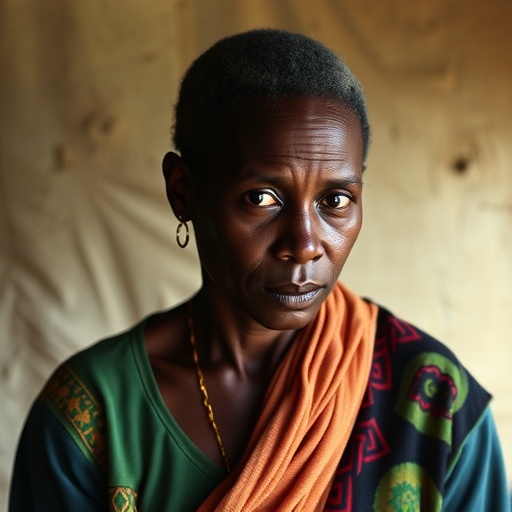
Depression, a pervasive mental health disorder globally, poses an especially grave challenge to people living with human immunodeficiency virus (PLHIV). Recent research conducted in Southern Ethiopia reveals that depression among PLHIV is alarmingly prevalent, affecting nearly one-third of patients receiving antiretroviral therapy (ART) in primary health care settings. This study highlights the intricate interplay between clinical factors and mental health outcomes, signaling urgent needs for improved screening and support services within resource-limited environments.
Sub-Saharan Africa continues to bear a disproportionate burden of HIV infections, with psychological well-being often overlooked within the broader HIV treatment agenda. The prevalence of depression in this demographic ranges from 24% to 42%, almost double that observed in general populations. Despite this, primary health care centers frequently operate without standardized, validated tools to detect mental health disorders, causing widespread underdiagnosis and inadequate management of depression among PLHIV.
In an extensive cross-sectional investigation undertaken from January to June 2023 in the Wolaita zone of Southern Ethiopia, researchers systematically sampled 342 adult PLHIV engaged in ART services. Utilizing a face-to-face interview approach supplemented by medical record review, the study implemented the Patient Health Questionnaire-9 (PHQ-9), a globally validated screening instrument. A PHQ-9 score of 10 or above was employed as the threshold to define clinically significant depressive symptoms.
Out of the participants who consented (97.6% response rate), 30.2% were found to meet criteria suggestive of depression, underlining a persistent mental health crisis within this community. This prevalence surpasses normative figures in the general population and resonates with the World Health Organization’s warnings about the disproportionate psychological burden borne by PLHIV. The nuanced analysis revealed several salient predictors associated with increased depression risk.
One key finding noted that younger individuals aged 30 to 39 were over six times more likely to experience depression compared to older age groups. This association underpins the complex socio-emotional vulnerabilities intertwined with this age bracket, including economic pressures, stigma, and health uncertainties. Moreover, participants with a history of hospital admission exhibited more than threefold higher odds of depressive symptoms, potentially reflecting the psychological impact of acute illness episodes or disease complications.
Interestingly, duration of ART emerged as a protective factor. Patients on ART for less than 12 months were significantly less likely to be depressed, a result warranting further investigation into early treatment dynamics and patient resilience. Conversely, the presence of opportunistic infections doubled the likelihood of depression, underscoring the bidirectional relationship between somatic illness and mental health.
Immunological status also demonstrated a marked influence; individuals with CD4-positive T cell counts above 350 cells/mm³ displayed a 67% reduced risk of depression. This suggests that stronger immune function may confer psychological benefits or indirectly represent overall better health states, ameliorating mental distress.
The comprehensive statistical analysis controlled for multicollinearity and utilized logistic regression models with robust fit metrics, lending credibility to the findings. These results underscore the necessity of integrating routine mental health assessments within ART clinics. By doing so, clinicians can identify at-risk subgroups such as younger adults, recently hospitalized patients, and those contending with opportunistic infections, deploying tailored psychosocial interventions.
Beyond clinical care, the study points to broader systemic challenges. Nearly 60% of participants reported experiences of stigma related to their HIV status, a profound stressor that impairs mental health and inhibits treatment adherence. Strengthening social support networks through multisectoral collaboration—including community organizations and social services—is vital to combatting stigmatization and fostering psychological resilience.
Echoing calls from global health authorities, these findings advocate for policy reforms that embed mental health services into primary care infrastructure, especially in resource-constrained settings like Southern Ethiopia. Health workers require training to administer validated screening tools such as PHQ-9 and to provide or refer for appropriate counseling and psychiatric care where indicated.
In summary, this landmark study sheds light on the complex landscape of depression among PLHIV in Southern Ethiopia, revealing both epidemiological insights and actionable recommendations. Addressing the intertwined physical and psychological needs of HIV patients promises to enhance quality of life, improve treatment outcomes, and ultimately contributes to controlling the HIV epidemic.
As mental health gains prominence within global health priorities, region-specific evidence such as this underscores the imperative for contextualized, integrated care models. Future research may explore longitudinal trajectories of depression in PLHIV and evaluate cost-effective interventions for widespread implementation in similar settings.
This investigation stands as a clarion call for healthcare systems, policymakers, and researchers to recalibrate HIV treatment paradigms toward holistic patient-centered care. Only through the concerted integration of mental health services can the silent epidemic of depression in PLHIV be adequately addressed, improving survival and well-being for millions worldwide.
Yakob, T., Yakob, B., Abraham, A. et al. Factors associated with depression among people living with HIV in primary health care of Southern Ethiopia.
BMC Psychiatry 25, 845 (2025). https://doi.org/10.1186/s12888-025-07345-7
Cite Scienmag News
Glenn Wilkins. (September 1, 2025). Depression Drivers in Southern Ethiopia’s HIV Patients. Scienmag. https://scienmag.com/depression-drivers-in-southern-ethiopias-hiv-patients/
Glenn Wilkins. "Depression Drivers in Southern Ethiopia’s HIV Patients." Scienmag, 1 September 2025, https://scienmag.com/depression-drivers-in-southern-ethiopias-hiv-patients/. Accessed 3 September 2026.
Glenn Wilkins. "Depression Drivers in Southern Ethiopia’s HIV Patients." Scienmag. September 1, 2025. https://scienmag.com/depression-drivers-in-southern-ethiopias-hiv-patients/


