


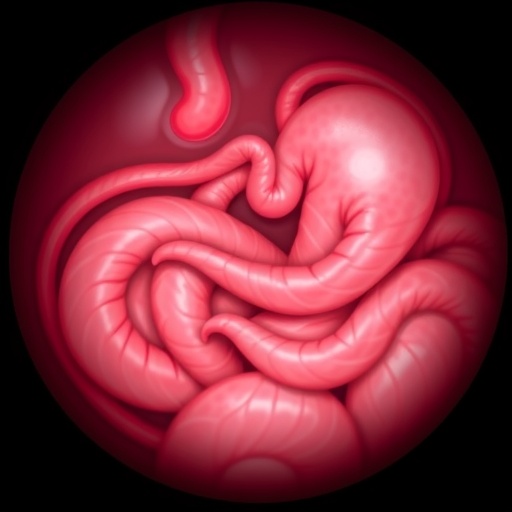
A groundbreaking study has emerged from the field of pediatric radiology, challenging long-held assumptions about the timing of intervention in cases of ileocolic intussusception. Traditional guidelines have emphasized the urgency of timely treatment following the diagnosis of this significant gastrointestinal condition, which primarily affects children. However, research conducted by Gonzalo Cruz and Ben L. Graeber indicates that a waiting period of over six hours from diagnosis does not adversely affect the success rates of pneumatic reduction of intussusception. This finding can reshape clinical practices and offer peace of mind to parents and healthcare providers alike.
Ileocolic intussusception occurs when a part of the intestine telescopes into a neighboring segment, causing an obstruction. It is one of the most common abdominal emergencies in children, frequently leading to severe complications if not treated promptly. The urgency surrounding this condition has been ingrained in clinical practice, leading to a palpable sense of anxiety among healthcare professionals regarding the timing of intervention. The study carried out by Cruz and Graeber critically examines this urgency, suggesting that the eight-hour deadline often touted in medical training may be more flexible than previously believed.
The researchers analyzed data from numerous pediatric cases of intussusception to ascertain whether delaying treatment for more than six hours had any negative implications on reduction success rates. In an era where research metrics and evidence-based practices dictate clinical guidelines, the implications of their findings could be substantial. The use of pneumatic reduction as a non-surgical intervention is a key component of their study, allowing for the unblocking of the intestine without the need for invasive procedures, which brings forth its own risks and complications.
One of the challenges in managing ileocolic intussusception is balancing the need for urgent treatment with the realities of hospital logistics, including waiting times for imaging and consultations. Cruz and Graeber’s work comes as a timely intervention in the ongoing conversation about patient care efficiency, especially in emergency settings. Their study indicates that many patients can afford a more measured approach without jeopardizing their recovery outcomes, thereby reducing unnecessary stress on both families and resources.
The pneumatic reduction technique employed in this study is vital for understanding the overall success rates. The procedure employs air pressure to unfold the affected section of the intestine, commonly proving effective and avoiding the need for surgery. In light of the increasing numbers of cases being treated with pneumatic methods, understanding the optimal timeline for these interventions is critical. Healthcare providers now have a clearer perspective that could alter the trajectory of treatment for many children with intussusception.
Moreover, healthcare systems worldwide have been under pressure during recent years due to various public health challenges, and delays in treatment can lead to increased financial costs and resource utilization. Understanding that waiting to intervene, within reasonable limits, does not necessarily lead to worse outcomes signifies a shift in operational procedures within emergency departments. This could lead to better planning for staff and resource allocation during periods of peak patient influxes, ultimately improving patient care.
Parents grappling with the emotional chaos that comes with a child’s diagnosis of intussusception may find solace in the study’s findings. The research fosters an atmosphere of reassurance, suggesting that a hasty rush into treatment may not always be the best response. Instead, caregivers and medical staff may benefit from focusing on thorough evaluations before proceeding to pneumatic reduction, thus fostering a more measured approach to an inherently distressing situation.
The research also prompts a closer examination of the decision-making processes that take place in emergency medicine. With factors such as diagnostic imaging delays, hospital staffing, and patient triage affecting response times, Cruz and Graeber’s study underscores the importance of evidence-based protocols being accurately communicated to healthcare professionals. Such standards must not only focus on urgency but also allow for flexibility and rational judgment in clinical decision-making.
Cruz and Graeber invite further exploration into multilayered aspects of pediatric emergency care, including the potential benefits of training sessions that educate medical staff on newly established timelines and adequate patient management strategies. The study opens the door for more nuanced approaches to pediatric emergencies that prioritize both the psychological well-being of families and the effective use of resources in healthcare institutions.
In light of their research, further longitudinal studies could serve to further solidify these findings, confirming that children who endure longer diagnosis-to-treatment periods continue to enjoy successful outcomes. As the discourse surrounding emergency interventions continues to evolve, examining follow-up care and long-term repercussions of conservative management in these fragile cases will be paramount.
Cruz and Graeber’s research highlights the importance of continuously reviewing and reassessing clinical guidelines in light of emerging evidence. Many medical practices evolve based on a combination of historical precedence and clinical experience, but the power of data cannot be underestimated in shaping informed methodologies. As such, this research serves as an invitation to the medical community to embrace a culture of inquiry and adaptability in service of the youngest and most vulnerable patients.
As we navigate the complexities of pediatric emergency medicine, it’s clear that we must balance rapid response with comprehensive evaluation and care strategies. Studies like those conducted by Cruz and Graeber offer valuable insights that could influence future practice guidelines and positively impact patient outcomes in the long term.
In summary, waiting more than six hours after a diagnosis of ileocolic intussusception does not detrimentally affect pneumatic reduction success rates, providing a significant shift in both urgency protocols and emotional assurance for families. The implications of this research reverberate through the medical community and will hopefully lead to improved practices that prioritize patient care without sacrificing efficiency in emergency settings.
Cruz, G., Graeber, B.L. Waiting more than 6 hours from diagnosis does not negatively impact the success rate of pneumatic ileocolic intussusception reduction.
Pediatr Radiol (2025). https://doi.org/10.1007/s00247-025-06382-4
Cite Scienmag News
Ophelia Keating. (September 13, 2025). Delayed Diagnosis Offers No Harm to Intussusception Success. Scienmag. https://scienmag.com/delayed-diagnosis-offers-no-harm-to-intussusception-success/
Ophelia Keating. "Delayed Diagnosis Offers No Harm to Intussusception Success." Scienmag, 13 September 2025, https://scienmag.com/delayed-diagnosis-offers-no-harm-to-intussusception-success/. Accessed 3 September 2026.
Ophelia Keating. "Delayed Diagnosis Offers No Harm to Intussusception Success." Scienmag. September 13, 2025. https://scienmag.com/delayed-diagnosis-offers-no-harm-to-intussusception-success/


