


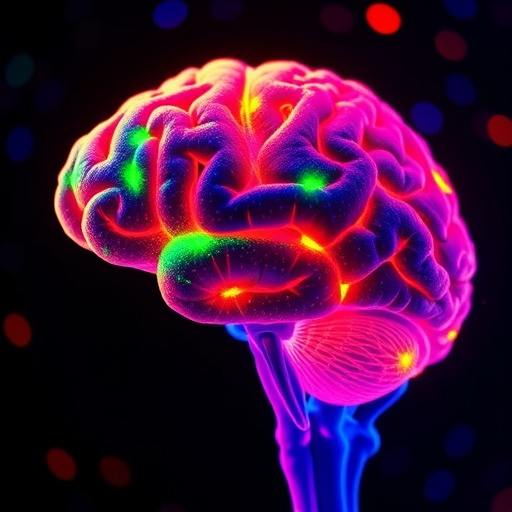
In the relentless battle against glioblastoma, one of the most aggressive and lethal brain cancers, medical science has faced formidable obstacles, particularly in overcoming chemoresistance. A groundbreaking study by Skossyrskiy, Kurdina, Kuzovkova, and colleagues, published in Medical Oncology, has unveiled promising avenues by highlighting Cyclooxygenase-2 (COX-2) as a pivotal therapeutic target. This discovery could revolutionize approaches to treating glioblastomas that no longer respond to conventional chemotherapy, addressing a long-standing challenge in neuro-oncology.
Glioblastomas exhibit a notorious ability to resist chemotherapy, leaving patients with limited options and poor prognoses. The study delves into the molecular intricacies of these tumors, pinpointing COX-2, an enzyme normally associated with inflammation and pain, as a key player in tumor progression and chemoresistance. COX-2 catalyzes the conversion of arachidonic acid to prostaglandins, lipid compounds that facilitate not only inflammatory responses but also support tumor survival, angiogenesis, and immune evasion.
The research team employed sophisticated molecular biology techniques to quantify COX-2 expression in glioblastoma tissues derived from both treatment-naïve and chemoresistant patients. Their analyses revealed dramatically elevated levels of COX-2 in tumors resistant to standard chemotherapy regimens such as temozolomide. This overexpression was found to correlate with enhanced tumor growth and decreased patient survival, underscoring COX-2’s function as a promoter of malignant behavior in glioblastoma cells.
Importantly, the study provides robust evidence linking COX-2 activity to several downstream signaling pathways that bolster tumor cell survival and invasiveness. One such pathway involves the upregulation of matrix metalloproteinases (MMPs), enzymes that degrade extracellular matrix components, thereby facilitating tumor infiltration into surrounding brain tissues. Another pathway relates to the suppression of apoptosis, enabling tumor cells to evade programmed cell death despite chemotherapeutic assault.
Targeting COX-2, therefore, presents a dual opportunity: To directly impair tumor cell viability and to mitigate the microenvironmental factors that enable cancer cell dissemination and resistance. Pharmacological inhibitors of COX-2, including widely studied nonsteroidal anti-inflammatory drugs (NSAIDs) such as celecoxib, have already demonstrated efficacy in preclinical glioblastoma models. However, the therapeutic potential of COX-2 inhibition in chemoresistant human glioblastomas has remained largely unexplored until now.
To bridge this gap, the authors conducted a series of in vitro experiments employing patient-derived glioblastoma stem-like cells characterized by high COX-2 expression and intrinsic resistance to chemotherapy. Treatment with selective COX-2 inhibitors resulted in a significant reduction in cellular proliferation and invasion capacities. Notably, combining COX-2 inhibition with temozolomide restored some sensitivity to chemotherapy, hinting at a synergistic mechanism that could be harnessed therapeutically.
These findings open a promising translational pathway toward developing combination therapies targeting COX-2 for patients with chemoresistant glioblastomas. Such approaches aim not merely to halt tumor growth but to dismantle the tumor’s adaptive defenses, thereby extending survival and improving quality of life. Moreover, given the existing clinical availability of COX-2 inhibitors with favorable safety profiles, the transition from bench to bedside could be expedited.
Beyond direct tumor cell effects, COX-2 inhibition may also modulate the tumor microenvironment by altering inflammatory signaling and immune cell infiltration. Glioblastomas are known to foster immunosuppressive niches that thwart natural immune responses; COX-2-derived prostaglandins contribute significantly to this immunosuppressive milieu. By disrupting these pathways, COX-2 inhibitors might enhance the efficacy of emerging immunotherapies, further broadening therapeutic horizons.
Nevertheless, challenges remain. The heterogeneity of glioblastomas, including genetic and epigenetic diversity among tumors and patients, necessitates personalized approaches to COX-2 targeting. Furthermore, the pharmacokinetics and blood-brain barrier penetrance of COX-2 inhibitors require optimization to maximize therapeutic impact while minimizing systemic side effects.
Future research should also focus on identifying biomarkers that predict which glioblastoma patients would benefit most from COX-2-targeted therapies. Such predictive tools are crucial in stratifying patients for clinical trials and ensuring that COX-2 inhibition becomes part of a precisely tailored treatment regimen rather than a one-size-fits-all solution.
The larger implications of targeting COX-2 extend beyond glioblastoma to other chemoresistant cancers, as COX-2 overexpression has been documented in various tumor types. Insights gained from glioblastoma research may catalyze broader oncological innovations, reinforcing COX-2 as a versatile target in cancer therapeutics.
This transformative study not only redefines how we conceptualize chemoresistance in glioblastomas but also galvanizes the oncology community toward integrating anti-inflammatory strategies into multimodal treatment paradigms. It is a testament to the power of molecular research in uncovering hidden vulnerabilities within formidable cancers.
As this promising avenue advances through clinical evaluation, it fosters hope among researchers, clinicians, and patients alike. The sentinel role of COX-2 in chemoresistance provides a beacon, guiding the development of more effective interventions against one of the most intractable human malignancies.
In sum, the identification of Cyclooxygenase-2 as a potential therapeutic target revitalizes the ongoing quest for improved glioblastoma treatments. With continued scientific rigor and collaborative efforts, this molecular target could herald a new era of therapeutic breakthroughs, moving from the laboratory bench toward tangible clinical benefits.
Cite Scienmag News
Nathaniel Bowman. (October 25, 2025). Cyclooxygenase-2: New Target Against Chemoresistant Glioblastoma. Scienmag. https://scienmag.com/cyclooxygenase-2-new-target-against-chemoresistant-glioblastoma/
Nathaniel Bowman. "Cyclooxygenase-2: New Target Against Chemoresistant Glioblastoma." Scienmag, 25 October 2025, https://scienmag.com/cyclooxygenase-2-new-target-against-chemoresistant-glioblastoma/. Accessed 3 September 2026.
Nathaniel Bowman. "Cyclooxygenase-2: New Target Against Chemoresistant Glioblastoma." Scienmag. October 25, 2025. https://scienmag.com/cyclooxygenase-2-new-target-against-chemoresistant-glioblastoma/


