


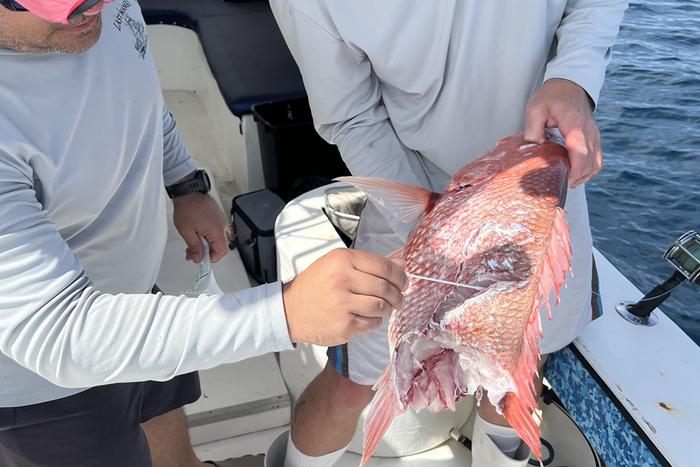
Shark depredation has emerged as a significant concern within the realm of recreational fishing, especially in regions where anglers frequently engage with the ocean’s diverse aquatic life. This phenomenon describes the opportunistic behavior of sharks who seize unsuspecting fish from fishing lines, leaving behind a trail of devastation characterized by stolen catches and lost fishing gear. The consequences of this behavior have sparked debate among anglers, wildlife conservationists, and fisheries managers. Understanding this ongoing conflict between recreational fishing activities and marine predator behavior requires an in-depth analysis of how sharks interact with fishing activities and the implications for both species and ecosystems.
As highlighted by recent research from Florida Atlantic University and the Harbor Branch Oceanographic Institute, the Southeast region of the United States, particularly Florida, appears to be a hotspot for shark depredation events. This area is not only a popular destination for recreational fishing but also hosts a rich diversity of shark species that have adapted to the local marine environment. The dynamic between fishing pressure and shark behavior raises crucial questions about the long-term sustainability of recreational fishing and the health of marine ecosystems. The implications of increased shark depredation extend beyond the immediate loss of catches; they encompass economic, ecological, and social dimensions that merit further investigation.
The study conducted by Ajemian and his colleagues sheds light on the complexities of shark depredation within Florida’s recreational fisheries. Utilizing a citizen-science approach, the research team collected data from various sources, including social media platforms, cooperative fishing charters, and genetic analysis. This novel methodology allowed for a comprehensive assessment of the extent and impact of shark depredation across differing fishing communities. By engaging the public in this research endeavor, the team not only gathered valuable insights but also raised awareness about the challenges faced by recreational anglers due to predatory shark behaviors.
A significant finding of the research indicates that snapper-grouper species were the primary targets for shark attacks, with bull sharks and sandbar sharks identified as the most common culprits. By analyzing user-submitted reports and genetic samples collected from depredated fish carcasses, the researchers established that a substantial proportion of anglers—43%—had encountered depredation during their fishing experiences. The variability of depredation events, reported anywhere from 10% to 60% depending on region and season, underscores the necessity for localized strategies to manage these interactions effectively.
One intriguing aspect of the study involved the innovative methods researchers developed to capture DNA samples from depredated fish. Traditional methods often yielded insufficient data due to the prevalence of bite-offs—instances where sharks sever fishing lines and escape without leaving a carcass. In response, the team employed swabbing techniques on the ends of fishing lines to obtain transfer DNA, marking a groundbreaking advancement in depredator identification methodology within both recreational and commercial fisheries. This approach enhances the capacity for species identification, which is crucial for understanding not only which shark species are responsible for depredation but also their role in the broader marine ecosystem.
Chronicles of shark depredation are not only relegated to Florida; they echo across various global fishing hotspots, such as Australia and the Caribbean, where interactions with sharks are increasingly commonplace. The implications of these findings go beyond individual fishing experiences, prompting vital conversations regarding the balance between conservation efforts and the interests of anglers. As shark populations continue to recover due to conservation measures, increased encounters with depredation events are likely to challenge fishery managers as they strive to maintain healthy fishing populations while ensuring the continued survival of shark species.
The researchers concluded that various factors significantly affect the frequency of depredation events, including water depth, habitat type, and specific fishing techniques employed by anglers. Such elements highlight the multifaceted nature of shark depredation, encouraging further studies to refine our understanding of these predators’ behavior in relation to human fishing practices. By delineating these relationships, fishery managers may develop informed, science-based strategies that promote coexistence between anglers and shark populations.
Additionally, the study emphasizes the pressing need for ongoing research that harnesses citizen engagement, potentially opening avenues for future studies that delve deeper into the nuances of human-wildlife interactions. Empowering local fishing communities to participate in data collection not only enriches the research but fosters a sense of stewardship and responsibility towards marine ecosystems.
In light of these findings, the collaborative effort between various educational institutions and organizations illustrates the vital role of interdisciplinary partnerships in addressing marine conservation challenges. The diverse backgrounds of the co-authors reflect a commitment to fostering sustainable fishing practices while accommodating the natural behaviors of sharks as apex predators in marine environments.
Overall, the implications of shark depredation are profound, highlighting the delicate equilibrium that exists between recreational fishing and marine life conservation. As these environments become more monitored and understood, the integration of citizen science and community involvement emerges as a powerful tool in ensuring the future resilience of both fisheries and the ecosystems they inhabit. Understanding how these relationships function allows for more effective resource management, informative policy development, and ultimately, the sustainability of both fishing practices and shark populations.
The findings of this crucial study serve as a clarion call for the scientific community, fishery managers, and casual anglers alike. Continued dialogue on shark depredation and its consequences encourages innovative approaches to research and conservation, ensuring that both recreational fishing and shark populations can thrive in the years to come. Such collaborations prioritize the health and sustainability of marine ecosystems while respecting the integral role of recreational fishing as both a pastime and an economic driver for coastal communities.
With the growing prevalence of shark depredation events, it is evident that ongoing research must remain at the forefront of fisheries science. As we deepen our understanding of shark behavior and their interactions with recreational fishing, we pave the way for informed conservation policies that honor both sharks and those who seek to capture them. The path forward is one of collaboration, education, and adaptive management, ensuring the ocean remains a vibrant, biodiverse habitat for generations to come.
Cite Scienmag News
Margaret Porter. (February 11, 2025). Citizen Scientists Help Tackle Shark Depredation in Innovative Study. Scienmag. https://scienmag.com/citizen-scientists-help-tackle-shark-depredation-in-innovative-study/
Margaret Porter. "Citizen Scientists Help Tackle Shark Depredation in Innovative Study." Scienmag, 11 February 2025, https://scienmag.com/citizen-scientists-help-tackle-shark-depredation-in-innovative-study/. Accessed 4 September 2026.
Margaret Porter. "Citizen Scientists Help Tackle Shark Depredation in Innovative Study." Scienmag. February 11, 2025. https://scienmag.com/citizen-scientists-help-tackle-shark-depredation-in-innovative-study/


