


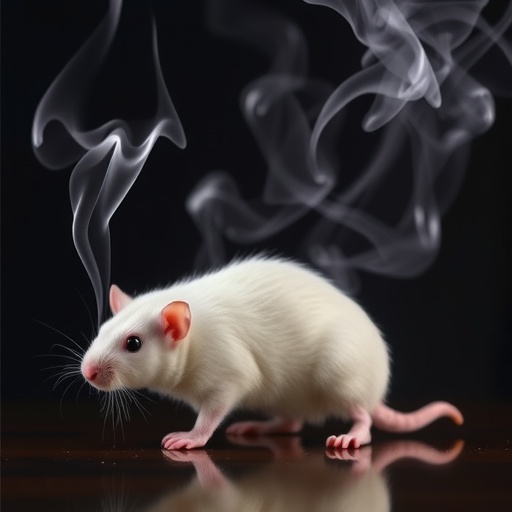
Cigarette smoke is best known for damaging the lungs, triggering inflammatory cascades that can impair breathing and accelerate disease. But mounting evidence suggests that smoke exposure can also reach beyond the airway, reshaping the gut ecosystem and altering metabolic pathways that are crucial for immune and intestinal function.
In a new study, Wei, Xu and colleagues examined how cigarette smoke extract (CSE) affects juvenile rats over time, focusing specifically on the gut microbiota and downstream metabolic outputs. While earlier work has linked smoke exposure to microbiome disruption, time-course data in young animals have been scarce—an important gap, given that early life represents a sensitive window for microbial programming.
The researchers induced lung injury using CSE and then monitored changes in the intestine at multiple stages after exposure. Using microbial profiling approaches, they observed a dysbiotic pattern—an imbalance in community composition—rather than a uniform decline or increase in a single bacterial group. This indicates that CSE can reorganize microbial networks in ways that may influence gut barrier integrity and immune signaling.
Beyond community shifts, the team measured metabolic consequences, concentrating on short-chain fatty acids (SCFAs). These molecules—such as acetate, propionate, and butyrate—are produced by microbial fermentation and act as key regulators of gut health, including anti-inflammatory effects and maintenance of epithelial metabolism.
The study found that SCFA metabolism was impaired following CSE-induced lung injury. In other words, even when microbial changes occurred, the functional output of fermentation—reflected in SCFA availability—was reduced or altered. This functional deficit could weaken protective pathways that normally buffer inflammation.
A notable theme emerging from the work is the lung–gut connection: localized injury in the respiratory tract appears to reverberate through systemic physiology, including signaling molecules and nutrient availability that the microbiome depends on. Such cross-organ effects help explain why respiratory exposures can produce measurable gastrointestinal outcomes.
Understanding these time-resolved microbiome and metabolite changes matters for pediatric health, because children exposed to smoke—directly or indirectly—may be more susceptible to long-term immune and metabolic consequences.
The authors conclude that cigarette smoke extract can simultaneously distort the gut microbial community and disrupt SCFA metabolism in juvenile rats, offering mechanistic clues to how inhaled toxins may contribute to broader inflammatory disease risk.
Cite Scienmag News
Morgan Morrow. (July 28, 2026). Cigarette Smoke Exposure Alters Gut Microbiome and Damages Short-Chain Fatty Acid Metabolism in Rats. Scienmag. https://scienmag.com/cigarette-smoke-exposure-alters-gut-microbiome-and-damages-short-chain-fatty-acid-metabolism-in-rats/
Morgan Morrow. "Cigarette Smoke Exposure Alters Gut Microbiome and Damages Short-Chain Fatty Acid Metabolism in Rats." Scienmag, 28 July 2026, https://scienmag.com/cigarette-smoke-exposure-alters-gut-microbiome-and-damages-short-chain-fatty-acid-metabolism-in-rats/. Accessed 6 September 2026.
Morgan Morrow. "Cigarette Smoke Exposure Alters Gut Microbiome and Damages Short-Chain Fatty Acid Metabolism in Rats." Scienmag. July 28, 2026. https://scienmag.com/cigarette-smoke-exposure-alters-gut-microbiome-and-damages-short-chain-fatty-acid-metabolism-in-rats/


