


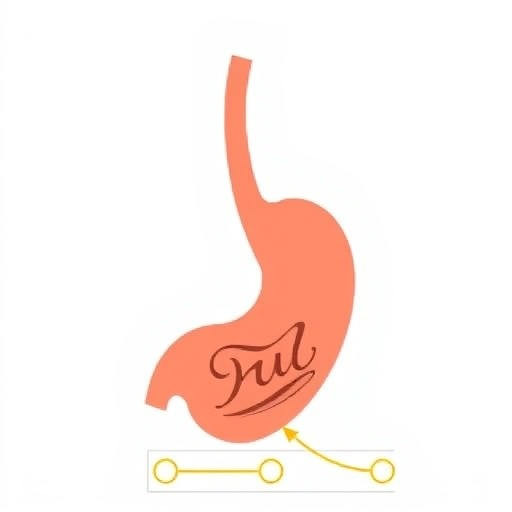
In the realm of metabolic disorders, the intricate relationship between medications and their physiological effects cannot be understated. One such case that has recently captured the attention of the medical community is the incident of hypoglycemia triggered by the combination of Sacubitril and Valsartan following gastric bypass surgery. This case report, detailing the experiences of a patient who encountered profound hypoglycemia postoperatively, offers invaluable insights into the intersection of pharmacology and metabolism, especially in altered physiological states like those seen after significant weight-loss surgeries.
Hypoglycemia, recognized as a critical drop in blood glucose levels, presents substantial risks, particularly for patients who have undergone gastric bypass procedures. The surgery itself generates a cascade of metabolic changes. These alterations can sometimes lead to unexpected and adverse reactions when patients are prescribed medications to manage conditions like heart failure or hypertension. Sacubitril/Valsartan is widely employed in clinical settings to enhance heart function and mitigate symptoms in patients with such ailments. However, the complexity of metabolic pathways necessitates a heightened understanding among healthcare providers regarding the potential for adverse events, especially in vulnerable populations.
In the case at hand, the patient presented with marked hypoglycemia, prompting further investigation into the underlying causes. A significant component of this exploration was the identification of endogenous hyperinsulinemia, a condition characterized by elevated insulin levels in the bloodstream. This phenomenon can occur due to various factors, including the physiological changes elicited by gastric bypass surgery, which directly affects glucose metabolism and insulin secretion. Consequently, understanding the molecular mechanisms by which Sacubitril/Valsartan interact with these pathways became paramount in addressing the patient’s alarming symptoms.
The hypothesis regarding the exacerbation of hypoglycemia was rooted in the dual-action of the prescribed medication. Sacubitril, as a neprilysin inhibitor, has been demonstrated to increase levels of vasoactive peptides, which can indeed contribute to lower blood pressure and improved heart function. However, this action might have unintended consequences on glucose homeostasis, especially in the context of hyperinsulinemia. The interplay between these factors calls for a nuanced evaluation of patient history, particularly concerning surgical interventions like gastric bypass that alter gastrointestinal and metabolic dynamics.
The results from this case report are particularly striking because they elucidate the potential for serious interactions between medications and altered physiology following surgical treatment for obesity. As bariatric surgery has gained popularity as an effective intervention for weight loss, the need for vigilance in monitoring patients on medications that could disrupt glucose management becomes even more critical. Clinicians must weigh the benefits of treating heart failure with drugs like Sacubitril/Valsartan against the risk of inducing hypoglycemia, especially in patients who have undergone significant gastrointestinal surgeries.
Moreover, this case serves as a salient reminder of the complexities involved in managing chronic conditions in patients with altered metabolic states. It highlights the necessity of interdisciplinary collaboration between bariatric surgeons, endocrinologists, and cardiologists to optimize patient outcomes. Healthcare professionals are encouraged to adopt a more integrative approach when considering pharmacologic interventions for such patients, ensuring regular monitoring of blood glucose levels and a reassessment of medication regimens when unexpected symptoms arise.
In conclusion, the documented case of Sacubitril/Valsartan-induced hypoglycemia following gastric bypass surgery underscores the critical need for heightened awareness regarding the potential metabolic implications of pharmacotherapy in post-bariatric patients. As advancements in surgical techniques and medications continue to evolve, so too must our approach to patient care. Emphasizing the importance of individualized treatment plans, ongoing education, and thorough monitoring could be the key to preventing similar adverse events in the future. As the medical community gains further insights from studies like these, the hope is that such findings will shape future guidelines and practices, ultimately leading to safer and more effective management strategies for patients navigating the complexities of comorbid metabolic conditions.
Ultimately, this case report illustrates the urgency of lengthy and detailed follow-ups for patients navigating multi-faceted health issues after surgical interventions. It invites a broader discussion on the intersection of surgery, pharmacology, and metabolic health that could push for more research, ultimately benefiting countless individuals facing similar challenges.
Cite Scienmag News
Ophelia Keating. (August 30, 2025). Case Study: Hypoglycemia Post-Gastric Bypass with Sacubitril/Valsartan. Scienmag. https://scienmag.com/case-study-hypoglycemia-post-gastric-bypass-with-sacubitril-valsartan/
Ophelia Keating. "Case Study: Hypoglycemia Post-Gastric Bypass with Sacubitril/Valsartan." Scienmag, 30 August 2025, https://scienmag.com/case-study-hypoglycemia-post-gastric-bypass-with-sacubitril-valsartan/. Accessed 8 September 2026.
Ophelia Keating. "Case Study: Hypoglycemia Post-Gastric Bypass with Sacubitril/Valsartan." Scienmag. August 30, 2025. https://scienmag.com/case-study-hypoglycemia-post-gastric-bypass-with-sacubitril-valsartan/


