

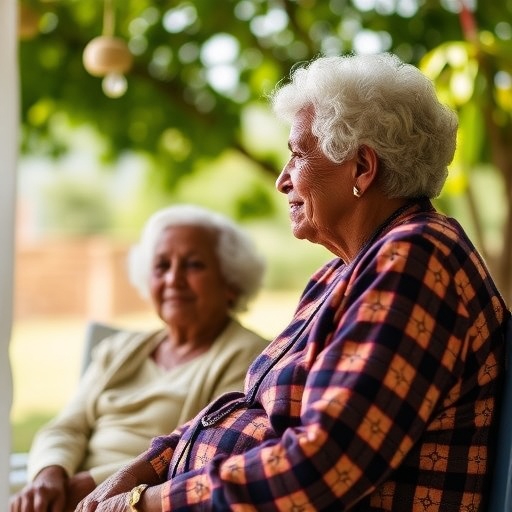
In the complex and multifaceted landscape of caregiving, family caregivers of older adults with dementia in Africa face immense challenges that have far-reaching implications for their well-being and the quality of care provided. A recent systematic review and meta-synthesis conducted by Hailu, Oliveira, Pereira, and colleagues sheds light on the critical aspects of this pressing issue, offering a comprehensive examination of both the hurdles faced and the coping strategies employed by these dedicated individuals. The findings, published in BMC Nursing, provide a vital understanding of this underexplored region and its unique cultural contexts.
The rise in dementia cases across Africa is correlating with an aging population, imposing unprecedented pressures on families already grappling with socioeconomic challenges. The nuances of caregiving in various African cultures reveal significant differences in how families approach the care of loved ones afflicted with dementia. Factors such as economic constraints, social support systems, and cultural perceptions of mental health shape the experiences of caregivers, influencing their emotional and psychological resilience in the face of these challenges.
One of the primary challenges highlighted in the review is the emotional toll that caregiving exacts on family members. Caregivers often experience feelings of isolation, stress, and burnout, exacerbated by the demands of providing constant care for individuals with complex needs. The emotional turbulence arises from a mix of witnessing the gradual decline of a loved one and juggling this role alongside other responsibilities such as work and family obligations. It is essential to recognize the psychological impact on caregivers and the subsequent ripple effects that their mental health can have on the quality of care provided to the dementia patient.
Interestingly, the review identifies several coping strategies that caregivers in Africa employ to navigate these turbulent waters. Social support emerges as one of the most effective coping mechanisms, where relationships with friends, extended family, and community networks play a crucial role. In various African cultures, communal living and shared responsibilities often mean that caregivers are not alone in their journey. Through sharing experiences and seeking emotional support, caregivers can mitigate feelings of loneliness and cultivate resilience against the stresses associated with caregiving.
Moreover, the synthesis underscores the importance of education and training for caregivers. There is a clear need for support programs that equip caregivers with practical skills and coping techniques. By receiving training in managing dementia-related behaviors and understanding the disease, caregivers can alleviate some of the burdens they carry. This knowledge not only empowers them but also enhances their ability to provide effective care, ultimately benefiting both the caregiver and the person living with dementia.
Additionally, the integration of traditional health practices with modern interventions is another facet explored in the review. Many African families rely on traditional medicine and healers, believing in their efficacy alongside biomedical approaches. Recognizing and respecting these traditional beliefs can help health professionals design culturally sensitive care strategies that resonate with caregivers and patients alike. Bridging the gap between modern medicine and traditional practices may offer a holistic approach to managing the complexities of dementia care in Africa.
The findings also point to the resilience and adaptability of family caregivers in the face of adversity. Many caregivers develop innovative solutions to address challenges, such as creating structured routines or engaging in activities that foster cognitive stimulation for their loved ones. These adaptive strategies exemplify the innate human capacity to confront hardships and seek out pathways to maintain dignity and agency amidst the struggles of caregiving.
As the research articulates, the need for policy initiatives aimed at supporting caregivers of dementia patients cannot be overstated. Advocacy for increased resources, access to healthcare services, and caregiver-friendly policies is imperative. Policymakers must recognize the pivotal role that family caregivers play in the healthcare system and the necessity of supporting them to ensure they can continue their essential work without compromising their own health and well-being.
Furthermore, the review highlights the importance of mental health support for caregivers themselves. Many caregivers neglect their mental health needs due to the overwhelming demands of their caregiving responsibilities. The establishment of mental health services tailored specifically to caregivers can provide them with the necessary support to sustain their role effectively. Services such as counseling and stress relief programs can empower caregivers, enhancing their capacity to provide compassionate care while also taking care of themselves.
In conclusion, the challenges faced by family caregivers of older adults with dementia in Africa are indeed profound and complex; however, the collective insights from this systematic review and meta-synthesis underscore the resilience, resourcefulness, and strength of these caregivers. Emotional support, education, respect for traditional practices, innovative adaptations, and robust policy interventions are critical components that can aid in alleviating the burdens borne by caregivers. By fostering a holistic and supportive environment, societies can enhance the caregiving experience and ultimately improve the quality of life for both caregivers and those they care for.
As this vital research unfolds in the broader discourse on dementia care, it serves as a clarion call for communities, healthcare systems, and policymakers to work collaboratively towards solutions that support family caregivers. In doing so, we can honor their sacrifices and contributions while building a future that respects the dignity of both caregivers and the individuals living with dementia.
Subject of Research: Challenges and coping strategies of family caregivers of older adults with dementia in Africa.
Article Title: Challenges and coping strategies of family caregivers of older adults with dementia in Africa: a systematic review and meta-synthesis.
Article References:
Hailu, G.N., Oliveira, J.S.A.D., Pereira, W.C. et al. Challenges and coping strategies of family caregivers of older adults with dementia in Africa: a systematic review and meta-synthesis.
BMC Nurs (2025). https://doi.org/10.1186/s12912-025-04254-8
Image Credits: AI Generated
DOI: 10.1186/s12912-025-04254-8
Keywords: family caregivers, dementia, Africa, coping strategies, emotional support, mental health, traditional practices, policy interventions.


