


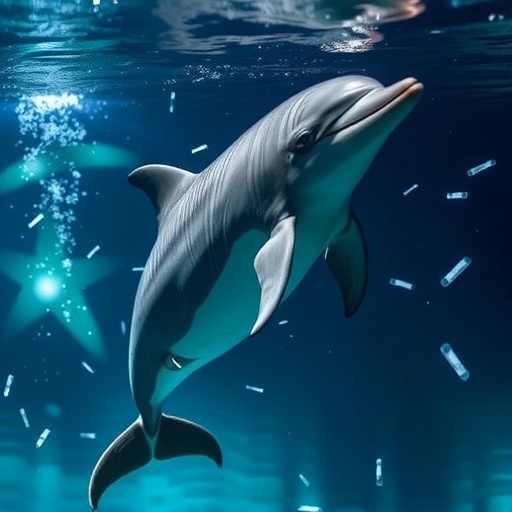
A recent groundbreaking study has unveiled striking disparities in microplastic pollution levels between captive dolphins and their wild counterparts. The research, conducted by a team led by Song, K., along with Li, P., and Zhai, Y., contributes critical insights into the increasingly concerning issue of microplastic contamination in marine environments. Published in the journal Commun Earth Environ, the study offers an in-depth examination of the impacts of human activity on marine mammals, with specific focus on dolphins, which are often regarded as sentinels of marine ecosystem health.
Microplastics, tiny plastic particles less than 5mm in diameter, have become ubiquitous in our oceans, thereby raising alarm bells among scientists and conservationists alike. As these minuscule pollutants permeate the marine environment, they pose a significant risk to marine life, particularly species at the top of the food chain, such as dolphins. Captive dolphins, which are often exposed to artificial habitats that may contain higher levels of microplastic debris due to human proximity, present a unique demographic for studying the adverse effects of these contaminants.
The study meticulously assessed microplastic concentrations in the stomach contents of both captive and wild dolphins, revealing a shocking contrast in exposure levels. Captive dolphins exhibited significantly higher microplastic concentrations compared to their wild counterparts. This alarming trend highlights not only the environmental threats faced by these intelligent marine mammals but also illustrates the broader ramifications of plastic pollution on marine ecosystems. The presence of microplastics in the digestive systems of dolphins indicates potential pathways for toxic substances to enter the food web, posing risks that extend beyond individual species to entire marine habitats.
Microplastics are created through various processes, including the breakdown of larger plastic debris, such as water bottles and bags, into smaller fragments. They can also originate from synthetic fibers shed during washing clothes, cosmetics, and industrial processes. The ingestion of microplastics by dolphins raises profound questions about their health and wellbeing, including the potential for digestive blockages, malnutrition, and exposure to harmful chemicals associated with plastics, such as bisphenol A (BPA) and phthalates.
The authors of the study emphasized the need for urgent action to address the rising tide of microplastic pollution. Their findings serve as a clarion call for policymakers, marine conservationists, and the public to join forces in combating plastic waste. Strategies such as reducing plastic production, enhancing waste management systems, and promoting cleaner production techniques are essential in curbing the flow of plastics into our oceans. In light of these findings, there is also a pressing need for the implementation of stricter regulations to control plastic use and increase recycling efforts to safeguard marine life.
Furthermore, the study underscores the importance of further research on the chronic effects of microplastic ingestion in marine animals, particularly those with similar feeding habits as dolphins. Longitudinal studies could help clarify how microplastic pollution affects the physiology and behavior of marine wildlife over time. Understanding these interactions is crucial for developing conservation strategies and ensuring the survival of dolphin populations.
Amidst the alarming findings, it’s essential to recognize the role of public awareness in mitigating microplastic pollution. Educating communities about the significance of reducing plastic use and enhancing recycling programs can empower individuals to contribute to the conservation of marine ecosystems. Grassroots movements, alongside scientific endeavors, can amplify calls for change and support ocean-friendly initiatives aimed at protecting marine wildlife.
The research also opens the door to interdisciplinary collaborations aimed at addressing the multifaceted challenges posed by microplastics. By engaging marine biologists, environmental scientists, and materials engineers, innovative and sustainable solutions can emerge to tackle the plastic crisis. For instance, developing biodegradable alternatives to conventional plastics or enhancing natural filtration systems in marine habitats could offer pathways to reduce microplastic proliferation in our oceans.
As we look to the future, protecting marine species such as dolphins is critical, not just for their sake but for the health of our oceans as a whole. The revelations from this study should galvanize action across sectors, from policy-making to public education, to safeguard the very fabric of our marine ecosystems. Ensuring a plastic-free environment for dolphins and other marine wildlife is paramount for maintaining biodiversity and the overall health of our planet.
In conclusion, this research sheds light on an urgent issue, demonstrating that captive dolphins are bearing the brunt of microplastic pollution to a greater extent than wild dolphins. The findings are a stark reminder of the pervasive nature of plastic waste and its implications for both marine life and human health. The time for action is now, as we strive for a sustainable relationship with our oceans—one that honors the intrinsic value of all marine creatures and the ecosystems they inhabit.
As we continue to unravel the complexities of marine pollution, the study serves as a beacon of hope for further advancements in marine conservation and plastic waste reduction efforts. Engaging the public, advocating for policy change, and fostering innovative research is essential in turning the tide against plastic pollution and ensuring that dolphins—be they wild or captive—can thrive in cleaner oceans.
Song, K., Li, P., Zhai, Y. et al. Captive dolphins face higher levels of microplastic pollution than wild individuals. Commun Earth Environ 6, 923 (2025). https://doi.org/10.1038/s43247-025-02849-2
Cite Scienmag News
Violet Maxwell. (November 18, 2025). Captive Dolphins Exposed to More Microplastic Pollution. Scienmag. https://scienmag.com/captive-dolphins-exposed-to-more-microplastic-pollution/
Violet Maxwell. "Captive Dolphins Exposed to More Microplastic Pollution." Scienmag, 18 November 2025, https://scienmag.com/captive-dolphins-exposed-to-more-microplastic-pollution/. Accessed 3 September 2026.
Violet Maxwell. "Captive Dolphins Exposed to More Microplastic Pollution." Scienmag. November 18, 2025. https://scienmag.com/captive-dolphins-exposed-to-more-microplastic-pollution/


