


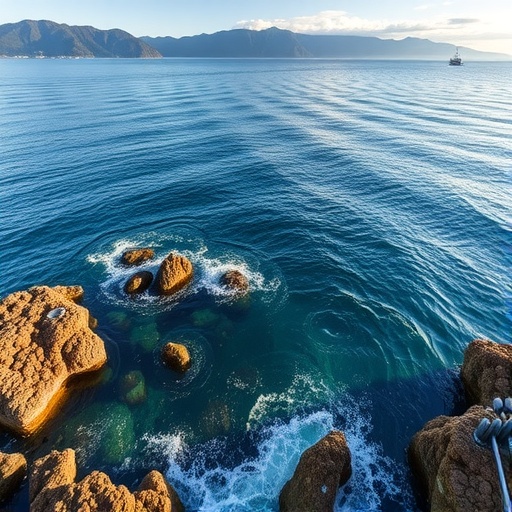
In a pioneering study titled “Stakeholders have knowledge priorities beyond local impacts for responsible marine-based carbon dioxide removal in Tasmania,” researchers delve into the complex dynamics surrounding marine-based carbon dioxide removal (CDR) initiatives. This work highlights the growing urgency of addressing climate change and showcases the perspectives of local stakeholders in Tasmania towards marine CDR technologies. The implications of their findings extend beyond geographical boundaries, resonating with global conversations about sustainable climate solutions.
The significance of understanding stakeholder perspectives cannot be overstated. As nations grapple with the pressing issue of climate change, there is an increasing impetus to harness marine ecosystems for carbon sequestration. The Tasmanian context provides a unique lens through which to explore these initiatives. This Australian state boasts rich marine biodiversity, making it a pivotal area for studying how CDR can be implemented responsibly and effectively.
What distinguishes this research is its comprehensive approach to stakeholder engagement. The study meticulously collected data from various groups, including environmentalists, policymakers, researchers, and local communities. This multi-faceted engagement ensured that the research captured a wide array of perspectives, emphasizing the importance of considering social dimensions in the deployment of technological solutions for carbon removal.
The findings reveal that stakeholders prioritize knowledge beyond immediate local impacts of marine CDR projects. Instead, there is a strong interest in understanding the broader environmental, economic, and social implications of these initiatives. This holistic view challenges the traditional focus on localized outcomes, suggesting that future marine CDR efforts should account for transboundary effects and the interconnectedness of marine and terrestrial ecosystems.
Furthermore, the research indicates a common theme among stakeholders: the necessity for transparency and inclusivity in decision-making processes. Many participants expressed a desire for greater involvement in discussions regarding the implementation of marine CDR technologies. They conveyed that their lived experiences and traditional ecological knowledge could significantly enhance the overall efficacy and acceptance of such projects.
The authors also noted a prevailing skepticism among stakeholders regarding the potential risks associated with marine CDR. Concerns were raised about the unintended consequences of large-scale carbon storage in oceanic environments, such as impacts on marine food webs and local fisheries. This skepticism warrants attention as it underscores the need for thorough risk assessments and environmental monitoring to ensure that marine CDR projects do not inadvertently cause harm to marine ecosystems.
Another critical insight from the research was the interdependency between marine CDR projects and existing social-ecological systems. Many stakeholders emphasized the importance of recognizing existing livelihoods that depend on these marine resources. Integrating community needs into the design and implementation of marine CDR initiatives is vital for fostering trust and collaboration between stakeholders and project developers.
Moreover, the complexity of perceptions around scientific knowledge was evident in the study. While many stakeholders recognized the potential of marine CDR technologies, they also expressed frustration with the jargon and technical nature of scientific communication. The researchers suggested that simplifying scientific discourse and framing it within relatable contexts could bridge the gap between scientists and local communities, facilitating informed discussions.
The research findings resonate with ongoing global debates about carbon neutrality and the role of nature-based solutions in mitigating climate change. As countries strive to meet their climate targets, the need for innovative and responsible approaches to carbon sequestration becomes increasingly apparent. The insights from Tasmania provide a blueprint for how local knowledge and stakeholder feedback can inform the development of successful marine CDR strategies.
Despite the challenges associated with implementing marine CDR, this study sheds light on the opportunities that exist for collaboration among different stakeholders. By fostering partnerships between local communities, scientists, and policymakers, there is potential for creating a more resilient and adaptive governance framework that can effectively address both climate objectives and local needs.
In conclusion, “Stakeholders have knowledge priorities beyond local impacts for responsible marine-based carbon dioxide removal in Tasmania” presents a compelling examination of the intersections between environmental science and community engagement. The study serves as a call to action for researchers, policymakers, and practitioners to rethink their approaches to climate solutions. It underscores the necessity of embedding local knowledge and stakeholder voices in the discourse surrounding marine CDR, thus ensuring that such initiatives are not only scientifically viable but also socially equitable.
The insights gained from this research are timely, especially as the global community intensifies its efforts to combat climate change. The findings offer valuable lessons that can be applied in diverse marine contexts, emphasizing the importance of flexibility, collaboration, and a thorough understanding of local ecological and social landscapes.
As the dialogue around marine CDR continues to evolve, it is crucial that researchers and practitioners heed the voices of stakeholders. Their concerns, aspirations, and insights hold the key to unlocking the full potential of marine ecosystems in the fight against climate change while safeguarding the health of our oceans and the communities that rely on them.
Malakar, Y., Brent, K., Jeanneret, T. et al. Stakeholders have knowledge priorities beyond local impacts for responsible marine-based carbon dioxide removal in Tasmania.
Commun Earth Environ 6, 813 (2025). https://doi.org/10.1038/s43247-025-02775-3
Cite Scienmag News
Violet Maxwell. (October 16, 2025). Broader Knowledge Priorities for Marine Carbon Solutions in Tasmania. Scienmag. https://scienmag.com/broader-knowledge-priorities-for-marine-carbon-solutions-in-tasmania/
Violet Maxwell. "Broader Knowledge Priorities for Marine Carbon Solutions in Tasmania." Scienmag, 16 October 2025, https://scienmag.com/broader-knowledge-priorities-for-marine-carbon-solutions-in-tasmania/. Accessed 4 September 2026.
Violet Maxwell. "Broader Knowledge Priorities for Marine Carbon Solutions in Tasmania." Scienmag. October 16, 2025. https://scienmag.com/broader-knowledge-priorities-for-marine-carbon-solutions-in-tasmania/


