


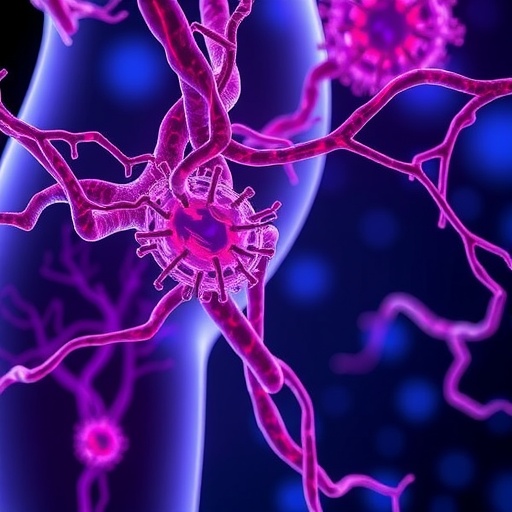
Endometriosis is a debilitating condition that affects millions of women worldwide, characterized by the presence of endometrial-like tissue outside the uterus. Recent studies have highlighted the complex interplay within the endometriotic microenvironment, which involves an intricate blend of immune, inflammatory, and angiogenic factors. These advances offer new insights into the pathophysiology of endometriosis and pave the way for innovative therapeutic strategies.
The endometriotic microenvironment is rich in various cell types, including endometrial stromal cells, immune cells, and vascular endothelial cells. This intricate network facilitates the survival and growth of ectopic endometrial tissue. Understanding the interactions among these cells is crucial for comprehending the disease’s progression and potential treatment avenues.
One of the primary characteristics of the endometriotic microenvironment is its inflammatory status. Chronic inflammation is a hallmark of endometriosis, driven by immune cells that release pro-inflammatory cytokines and chemokines. These factors not only perpetuate tissue damage but also contribute to the formation of new blood vessels (angiogenesis) essential for sustaining the growth of ectopic lesions. The synergistic relationship between inflammation and angiogenesis within this environment raises urgent questions about potential therapeutic targets.
Recent research has identified various signaling pathways that mediate the immune and inflammatory responses in endometriosis. For example, the NF-kB pathway plays a pivotal role in driving the inflammatory response, while the VEGF pathway is critical for angiogenesis. Markers associated with these pathways may serve as potential biomarkers for diagnosis and prognosis, thereby aiding in the early detection of endometriosis.
Furthermore, the role of hormonal factors cannot be overlooked. Estrogen is known to exacerbate endometriosis, promoting not only inflammation but also vascularization within the lesions. Recent findings indicate that estrogen-modulating therapies may offer a dual advantage by reducing both inflammation and angiogenesis, highlighting the importance of personalized medicine in treatment approaches.
Another noteworthy aspect of the endometriotic microenvironment is the interplay between immune cells and the ectopic endometrial tissue. Macrophages, in particular, have garnered attention for their dual role in promoting or inhibiting inflammation. Their plasticity offers both challenges and opportunities for therapeutic intervention; targeting specific macrophage subsets may help manage the inflammatory milieu and improve patient outcomes.
The advancements in our understanding of immune-inflammation-angiogenesis interactions have spurred interest in innovative treatment modalities. For instance, angiogenesis inhibitors are being explored as potential therapies to disrupt the vascular supply to endometriotic lesions. Concurrently, immunotherapies that modulate the immune response may provide alternative strategies for controlling chronic inflammation associated with endometriosis.
Additionally, preclinical studies have highlighted the potential of repurposing existing drugs, such as non-steroidal anti-inflammatory drugs (NSAIDs) and hormonal agents, for more effective management of endometriosis. By targeting the endometriotic microenvironment directly, these strategies aim to mitigate symptoms and inhibit disease progression more effectively than traditional approaches.
The translation of these insights into clinical applications remains a critical step. Clinical trials focusing on therapies that target the unique characteristics of the endometriotic microenvironment are urgently needed to validate these findings. Moreover, collaborative efforts between researchers and clinicians will be essential in driving the development of effective treatment protocols for endometriosis.
Patient-centric research is also vital, as individual responses to treatment can vary significantly. Identifying predictive markers related to the immune and inflammatory status will enhance personalized therapy, empowering clinicians to tailor treatments to the unique profiles of their patients.
Moreover, public education on endometriosis and its implications is crucial for timely diagnosis and intervention. Raising awareness not only among healthcare providers but also among the general population can lead to earlier detections, potentially improving the quality of life of those affected by this condition.
In conclusion, the exploration of the endometriotic microenvironment has paved the way for comprehensive research opportunities aimed at unraveling the multiple interactions at play in this complex disease. Ongoing investigations into the immune-inflammatory-angiogenic triad promise to revolutionize our understanding of endometriosis and ultimately enhance therapeutic outcomes.
The future of endometriosis research is bright, with numerous investigative avenues that hold the potential to transform patient care and improve quality of life. By building on the insights garnered from studying the endometriotic microenvironment, researchers are poised to devise more effective treatment strategies, bringing hope to millions impacted by this challenging condition.
Looking ahead, it is essential that we not only focus on the biological aspects of endometriosis but also address the psychological and social challenges faced by patients. Comprehensive care should incorporate mental health support to cope with chronic pain and the emotional burden of living with endometriosis.
This scientific journey underlines the necessity of a multidisciplinary approach to tackling endometriosis. Only by integrating knowledge from immunology, gynecology, and pathology can we fully understand and combat this multifaceted disorder. As we move forward, continued research efforts will be vital in unraveling the complexities of the endometriotic microenvironment and its implications for future therapeutic advances.
Liu, X., Wang, G. Research Advances in the Endometriotic Microenvironment: Synergistic Immune–Inflammatory–Angiogenic Interactions and their Therapeutic Translation.
Reprod. Sci. (2025). https://doi.org/10.1007/s43032-025-02017-z
Cite Scienmag News
Ophelia Keating. (December 29, 2025). Breakthroughs in Endometriosis: Immune-Angiogenic Interactions Unveiled. Scienmag. https://scienmag.com/breakthroughs-in-endometriosis-immune-angiogenic-interactions-unveiled/
Ophelia Keating. "Breakthroughs in Endometriosis: Immune-Angiogenic Interactions Unveiled." Scienmag, 29 December 2025, https://scienmag.com/breakthroughs-in-endometriosis-immune-angiogenic-interactions-unveiled/. Accessed 4 September 2026.
Ophelia Keating. "Breakthroughs in Endometriosis: Immune-Angiogenic Interactions Unveiled." Scienmag. December 29, 2025. https://scienmag.com/breakthroughs-in-endometriosis-immune-angiogenic-interactions-unveiled/


