In a significant breakthrough that may revolutionize the fight against antibiotic-resistant bacteria, a research team from the University of Konstanz and the University of Vienna has identified a compelling solution to one of the most pressing global health threats of our time: antibiotic-resistant gonorrhea. Led by Christof Hauck and Thomas Böttcher, the team’s findings, recently published in the prestigious journal Nature Microbiology, highlight a newly synthesized class of antibiotics capable of selectively targeting and eliminating strains of Neisseria gonorrhoeae, the bacterium responsible for gonorrhea, including multi-drug resistant variants.
The urgency of addressing antibiotic resistance cannot be overstated. The World Health Organization (WHO) has repeatedly issued warnings about the alarming rise in microbes that are resistant to antibiotics, labeling multi-resistant bacteria as a critical threat to global healthcare systems. Gonococci, in particular, have demonstrated a remarkable ability to mutate and adapt, posing a major challenge in the treatment of sexually transmitted infections. The potential consequences of these superbugs are dire—not only could they lead to increased morbidity, they could also undermine the effectiveness of various medical procedures that depend heavily on effective antibiotic therapies.
In response to this crisis, the WHO has compiled a Priority Pathogens List, identifying 15 particularly troublesome bacteria, among which Neisseria gonorrhoeae holds a prominent position. This bacterium has gained notoriety for its capacity to rapidly develop resistance to existing antibiotic treatments, largely due to its ability to acquire genetic material from other microbes. Such mechanisms have led to the emergence of strains resistant to all known antibiotics, effectively leaving healthcare providers with few, if any, viable treatment options.
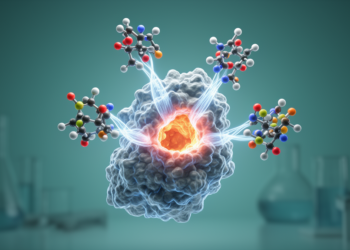
The groundbreaking work from Hauck, Böttcher, and their collaborative partners introduces a novel approach to tackling this issue. The researchers focused on a class of substances known as alkyl quinolones (AQs), which are naturally produced by certain bacteria as a defense mechanism against other microbial threats. By synthetically engineering these natural compounds and modifying their structures, the team was able to create derivatives that selectively target gonococci without damaging beneficial microorganisms or human cells.
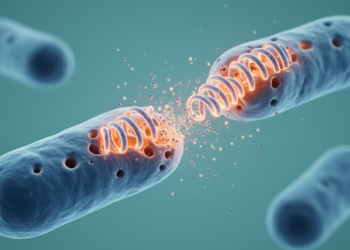
The mechanism underlying their new antibiotic is particularly intriguing. Traditional antibiotics often attempt to disrupt bacterial cell function or replication. However, this new AQ compound activates an intrinsic “suicide” mechanism within the gonococcus. This mechanism is based on an established interplay between toxin-antitoxin systems that some bacteria utilize to regulate their internal processes. By disrupting this balance, the novel antibiotic effectively prompts the bacteria to self-destruct. This innovative strategy not only overcomes existing resistance pathways but also offers a targeted method of treatment that minimizes collateral damage to the microbiome.
What distinguishes this research is its interdisciplinary nature. The team employed a comprehensive array of techniques, integrating synthetic and organic chemistry with genetic and biochemical analyses, along with insights gleaned from complex preclinical animal models. This robust methodology not only facilitates a deeper understanding of the mechanism in question but also underscores the potential for this approach to be adapted against other bacterial pathogens exhibiting similar resistance mechanisms.
The implications of this study extend far beyond the immediate challenge posed by Neisseria gonorrhoeae. The potential for developing similar strategies against other bacterial infections has researchers excited about a new frontier in antimicrobial drug development. The threat of antibiotic resistance is pervasive, but the discovery of new classes of compounds that exploit bacterial vulnerabilities offers hope for combating a wide array of infectious diseases.
As the research enters the next phases of development, including clinical trials, the scientific community remains cautiously optimistic. If successful, these advancements could mark a turning point in the wider battle against antibiotic resistance, restoring the efficacy of treatment options for diseases that have long plagued humanity. The application’s scope could well extend to include other common pathogens classified as priority threats by the WHO, amplifying the value of this research in global health.
The ongoing dialogue about antibiotic resistance is nuanced, involving not only scientific and medical perspectives but also public health policies and societal behaviors. As researchers like Hauck and Böttcher continue to push the boundaries of what is possible in antimicrobial therapy, it becomes increasingly important that public awareness accompanies scientific advancement. Tackling societal misconceptions about the responsible use of antibiotics is essential in ensuring that new treatments do not falter in the face of persistent misuse or overuse.
This study stands as a beacon of hope at a time when optimism around antibiotic discovery has dwindled, piqued by disheartening trends of resistance. It illustrates not only the powerful intersection of disciplines in advancing science but emphasizes that innovative methods can lead to breakthroughs that transform our approach to infectious diseases. The collaborative spirit embodied in this research holds lessons for future endeavors in combatting the rising tide of antibiotic resistance.
As researchers, healthcare providers, and public health officials rally together to address this formidable adversary, the need for continued investment in scientific research is paramount. The success of this project exemplifies how persistence and creativity in scientific inquiry can yield results that have the potential to enhance public health on a global scale, ultimately saving lives and improving health across communities.
In conclusion, the findings from this research could set a new standard for how we develop antibiotics, marking a pivotal moment as we confront the growing challenges posed by antibiotic resistance. With anticipation, the world watches as this research unfolds, with hope for a healthier future free from the specter of untreatable infections looming overhead.
Cite Scienmag News
Drew Townsend. (April 2, 2025). Breakthrough Antibiotic Developed to Combat Multidrug-Resistant Superbugs. Scienmag. https://scienmag.com/breakthrough-antibiotic-developed-to-combat-multidrug-resistant-superbugs/
Drew Townsend. "Breakthrough Antibiotic Developed to Combat Multidrug-Resistant Superbugs." Scienmag, 2 April 2025, https://scienmag.com/breakthrough-antibiotic-developed-to-combat-multidrug-resistant-superbugs/. Accessed 2 November 2026.
Drew Townsend. "Breakthrough Antibiotic Developed to Combat Multidrug-Resistant Superbugs." Scienmag. April 2, 2025. https://scienmag.com/breakthrough-antibiotic-developed-to-combat-multidrug-resistant-superbugs/