


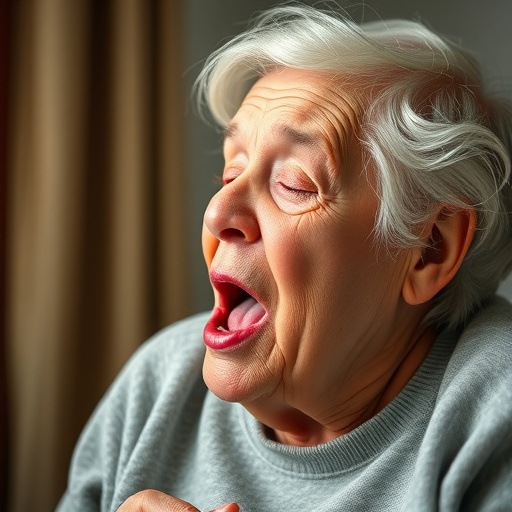
In the rapidly aging societies of the modern world, preserving muscle function and preventing complications related to muscle loss has become a subject of intense scientific inquiry. Among the myriad challenges faced by older adults, sarcopenic dysphagia—a swallowing difficulty caused by age-related muscle wasting—has emerged as a significant health threat. This condition not only undermines nutrition and quality of life but also substantially raises the risk of aspiration pneumonia and related morbidity. Recently, groundbreaking research originating from China has set out to investigate innovative therapeutic approaches for this debilitating syndrome, aiming to improve both muscular strength and swallowing function among community-dwelling elderly individuals. This research is detailed in a comprehensive randomized controlled trial protocol led by Xing, He, and Song et al., soon to be published in BMC Geriatrics.
Sarcopenic dysphagia represents a complex interplay between two declining physiological functions—the loss of skeletal muscle mass and the compromised coordination of the muscles responsible for safe and effective swallowing. Traditionally, treatment options have been limited and often invasive, primarily focused on managing symptoms rather than addressing underlying muscular deterioration. However, the innovative therapeutic protocol devised by the Chinese team integrates two promising modalities: low-load resistance training combined with blood flow restriction (BFR), and targeted swallowing exercises. This dual approach seeks not only to enhance peripheral muscle strength with minimal strain but also to rehabilitate the muscular mechanisms governing effective swallowing.
Low-load resistance training with blood flow restriction is a relatively novel exercise paradigm that allows muscle hypertrophy and strength gains without the high joint loads usually necessary for such adaptations. The BFR method involves applying a cuff or band to partially restrict blood flow to the working muscles during low-intensity resistance exercise. This restriction induces a hypoxic environment within the muscle tissue, which paradoxically stimulates anabolic signaling pathways, promoting muscle protein synthesis and hypertrophic growth. The implications for aging populations, who often cannot tolerate high-load exercise due to frailty or joint degeneration, are remarkable. By leveraging this approach, the study aims to circumvent the limitations of conventional resistance training and provide accessible, effective therapy for sarcopenic individuals.
In parallel, swallowing training encompasses a series of rehabilitative exercises tailored to improve coordination, strength, and endurance of the oropharyngeal muscles. This regimen is meticulously designed to stimulate neuromuscular plasticity—enhancing the brain-muscle communication pathways that deteriorate with age and disuse. The inclusion of swallowing exercises represents an essential complementary strategy that goes beyond systemic muscle enhancement to address the localized dysfunction characteristic of sarcopenic dysphagia. The integration of this specialized training alongside low-load BFR resistance training creates a holistic intervention targeting multiple facets of the disorder.
The protocol outlined by Xing and colleagues is pioneering in its randomized controlled trial design, aiming to systematically evaluate the efficacy and safety of this combined intervention in a community-residing elderly population. Community-dwelling individuals are a critical focus group given their potential for early intervention and improved adherence compared to institutionalized patients. The trial’s structure includes rigorous participant selection criteria, ensuring that enrolled subjects are diagnostically confirmed sarcopenic dysphagic patients without confounding medical conditions that could bias outcomes.
From a methodological perspective, the trial implementation involves baseline assessments including comprehensive muscle mass quantification using bioelectrical impedance analysis, swallowing function tests via videofluoroscopic examination, and standard quality of life questionnaires. These metrics provide quantitative and qualitative benchmarks to measure therapeutic success. During the intervention period, participants undergo supervised low-load resistance exercises with BFR devices applied to limbs, alongside daily swallowing training exercises instructed by trained specialists. The careful monitoring of hemodynamic parameters ensures participant safety, a crucial consideration given the vulnerable demographic.
This trial comes at a pivotal moment in geriatric research where non-pharmacological, exercise-based interventions are gaining recognition for their capacity to holistically improve musculoskeletal and neurofunctional health. The dual approach anticipates not only increasing muscle mass and strength but also counteracting neural degeneration implicated in dysphagia. It posits a synergistic effect—while BFR resistance training potentiates muscle anabolism, swallowing exercises target rehabilitative neuroplasticity—thereby addressing both muscular and nervous system components that contribute to the syndrome.
Moreover, the investigators anticipate that improvements in swallowing function will directly enhance nutritional intake and reduce the incidence of malnutrition—a key driver of further muscle catabolism and general frailty. Malnutrition in elderly patients is often compounded by difficulties in swallowing, creating a vicious cycle that exacerbates sarcopenia and related morbidity. By breaking this cycle, the intervention could significantly elevate functional independence and reduce healthcare utilization. This promising outlook underscores the potential public health impact of such therapeutic innovation.
The randomized controlled design ensures high scientific rigor, enabling causal inferences about the therapeutic benefits of the interventions. Blinding of outcome assessors and the inclusion of control groups receiving standard care or alternative interventions aim to eliminate bias. This design strength is essential given the complexity of sarcopenic dysphagia, where multiple confounding variables can influence patient outcomes. The trial’s transparency and adherence to ethical standards also facilitate replication and future expansion of the evidence base.
Anticipated challenges include participant adherence, given the demanding nature of daily exercise regimens and possible logistical hurdles in community settings. To mitigate this, the protocol incorporates motivational interviewing and telecommunication follow-ups to encourage continuous engagement. Additionally, safety protocols are meticulously incorporated to prevent adverse events related to BFR, such as thrombosis or excessive vascular occlusion, maintaining the delicate balance between therapeutic efficacy and participant wellbeing.
The implications of the results extend beyond individual patient outcomes. Successful validation of this intervention could inform clinical guidelines and rehabilitation practices globally, transforming how aging populations with muscle wasting conditions are managed. Furthermore, the study paves the way for exploring similar combined training modalities in other neuromuscular conditions—expanding therapeutic horizons wherever muscle atrophy intersects with neurological impairment.
In anticipation of publication, the global scientific and medical communities await robust data that may revolutionize approaches to swallowing disorders within geriatric populations. The innovation lies not merely in combining two proven techniques but in synergizing them within an accessible, scientifically validated framework tailored for real-world application. Should the outcomes confirm efficacy, this research will represent a beacon of hope for millions suffering from compromised swallowing function worldwide.
Ultimately, this study heralds a transition from symptomatic management of sarcopenic dysphagia toward scientifically informed, mechanism-based therapeutic strategies. The integration of low-load resistance training with blood flow restriction and specialized swallowing training embodies a precision medicine approach—targeting the nuanced physiological derangements that define this condition. This progress exemplifies how geriatric medicine, biomechanics, and neurorehabilitation can converge to generate transformative health outcomes for the aging populace.
As population demographics worldwide skew older, the necessity for such innovative, scalable, intervention models becomes increasingly urgent. This trial not only advances academic understanding but also has profound societal relevance, addressing healthcare burdens and striving for enhanced quality of life among elders. The research by Xing, He, Song, and colleagues sets a new paradigm for rehabilitative care of sarcopenic dysphagia, demonstrating that with targeted training approaches, even age-related physiological decline can be confronted effectively.
This concerted scientific effort exemplifies the frontier of geriatrics research, where interdisciplinary methodologies seek to restore function, autonomy, and dignity to vulnerable populations. Staying tuned to the forthcoming publication and trial outcomes is essential for healthcare professionals, researchers, and policymakers committed to pioneering eldercare innovation. The promise held by this intervention underscores that age-associated challenges, once considered inevitable, can be met with ingenuity and evidence-based solutions.
Cite Scienmag News
Beatrice Stafford. (April 15, 2026). Boosting Elderly Swallowing: Blood Flow Training Trial. Scienmag. https://scienmag.com/boosting-elderly-swallowing-blood-flow-training-trial/
Beatrice Stafford. "Boosting Elderly Swallowing: Blood Flow Training Trial." Scienmag, 15 April 2026, https://scienmag.com/boosting-elderly-swallowing-blood-flow-training-trial/. Accessed 4 September 2026.
Beatrice Stafford. "Boosting Elderly Swallowing: Blood Flow Training Trial." Scienmag. April 15, 2026. https://scienmag.com/boosting-elderly-swallowing-blood-flow-training-trial/


