


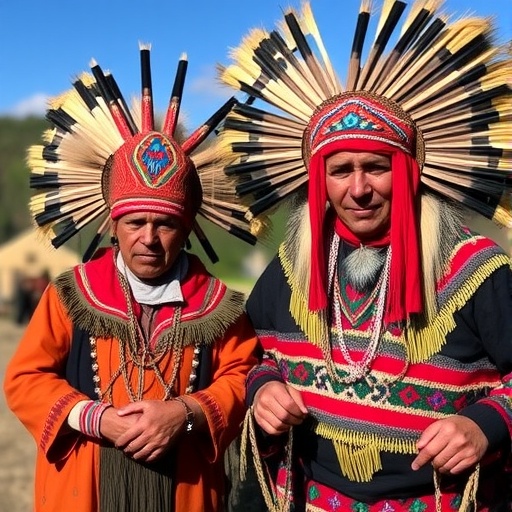
The COVID-19 pandemic reached the remote lowland communities of Bolivia’s Tsimané and Moseten peoples despite efforts to limit contact with the outside world. Yet the outcome defied early expectations. Although the virus spread through most of the population, only three people died, according to research led by anthropologist Michael Gurven of the University of California, Santa Barbara. The finding is striking because these Indigenous communities have limited access to hospitals, oxygen supplies, intensive care and other forms of advanced medical treatment. Researchers had feared that a novel respiratory virus could cause catastrophic losses, as introduced infections have done repeatedly among Indigenous populations throughout history. Instead, the communities experienced widespread infection but remarkably low mortality, prompting scientists to examine whether lifestyle, immune regulation and patterns of exposure to other pathogens helped prevent severe disease.
The study, published in Social Science & Medicine, followed the arrival and spread of SARS-CoV-2 among the Tsimané and Moseten during the first years of the pandemic. Working with Indigenous leaders and local health officials, the research team initially supported voluntary collective isolation. The strategy relied on the communities’ geographic remoteness and relative self-sufficiency, with residents reducing interactions with outsiders to delay or prevent viral introduction. That barrier ultimately failed, however, and researchers shifted to surveillance. They documented infection rates, symptoms, disease duration and deaths, while also collecting blood samples to investigate the biological response to the virus. Their observations provided a rare account of COVID-19 in populations living in largely nonindustrial environments, where medical resources are scarce but daily exposure to infectious organisms is considerably greater than in most urban settings.
SARS-CoV-2 spread rapidly once it entered the communities. Testing and antibody evidence indicated that approximately 71 percent of the Tsimané and 63 percent of the Moseten became infected. The disease was not uniformly mild. About 80 percent of people who tested positive reported flu-like symptoms, headaches and loss of smell or taste, symptoms familiar from COVID-19 outbreaks elsewhere. These observations were important because they showed that the populations were not simply protected from infection or unable to recognize symptoms. The virus circulated extensively and produced a recognizable acute illness. What differed was the progression from the initial phase of infection to the severe respiratory and inflammatory disease that can develop later. Despite the high attack rate, the number of fatalities was far below what researchers would have expected from mortality patterns observed in many other populations, even after accounting for the communities’ younger age structure.
One possible explanation lies in the populations’ relatively low burden of chronic metabolic disease. The Tsimané and Moseten are primarily forager-horticulturalists who remain physically active throughout daily life and obtain food in an environment where calories can be limited. Compared with industrialized populations, they generally have lower levels of obesity, diabetes and hypertension, conditions that are associated with severe COVID-19 and impaired recovery from respiratory infections. These diseases can alter blood-vessel function, disrupt metabolism and promote chronic inflammation, creating a biological environment in which viral infection is more likely to produce organ damage. The absence of such risk factors does not make a population immune to SARS-CoV-2, but it can reduce the probability that an infection will progress to respiratory failure, blood-clotting complications or damage to multiple organs. Researchers emphasize that this is likely one component of a larger explanation rather than a single protective mechanism.
Blood tests offered another clue. The Tsimané and Moseten showed high concentrations of antibodies directed against SARS-CoV-2, with levels reported to be more than twice those measured in a French cohort tested during the same wave of the pandemic. Antibodies measured after infection cannot by themselves explain why fewer people died, because they are produced after the immune system has already recognized the virus. However, the researchers propose that the strong antibody levels may serve as an indirect marker of an earlier and more effective immune response. If immune defenses begin controlling viral replication quickly, the infection may remain concentrated in the upper airways and never advance to the deeper lungs. The blood analyses also showed elevated levels of infection-fighting white blood cells, suggesting that several arms of the immune system were highly active during the response to the virus.
COVID-19 severity often depends on the transition between two biological stages. In the first, SARS-CoV-2 replicates in respiratory tissues and produces symptoms such as fever, fatigue, headache, cough and loss of smell. In a subset of patients, the disease then advances into the lungs, where viral injury and an improperly regulated immune response can cause pneumonia, impaired oxygen exchange and acute respiratory distress. Excessive production of inflammatory signaling molecules, sometimes described as a cytokine storm, may contribute to tissue damage and blood-vessel dysfunction. Gurven said that the Tsimané and Moseten appeared to experience the initial stage but rarely progressed to this later phase. The research team had attempted to obtain oxygen concentrators because of concerns about older adults, yet the equipment was reportedly not needed. This pattern suggests that early control of infection and restrained inflammation may have limited severe disease.
The researchers hypothesize that lifelong exposure to a wide variety of parasites, bacteria and other infectious agents could help shape this form of immune readiness. In environments with limited sanitation and frequent contact with soil, animals and untreated water, the immune system is repeatedly challenged. Such exposure may influence the development and regulation of innate and adaptive immunity, the two broad systems that coordinate protection against infection. Innate defenses respond rapidly through barriers, inflammatory signals and cells such as neutrophils and macrophages. Adaptive defenses, including antibody-producing B cells and virus-targeting T cells, develop more specifically and can generate immunological memory. The proposed benefit is not simply a permanently aggressive immune system. Rather, the researchers suggest that repeated exposure may improve the ability to intensify a response when necessary and reduce it once the threat has been controlled, limiting the collateral damage caused by prolonged inflammation.
This idea also relates to the relatively low levels of age-associated chronic inflammation observed among the Tsimané. Known as inflammaging, this condition involves a persistent, low-grade activation of inflammatory pathways that becomes more common with age and is linked to cardiovascular disease, metabolic disorders and reduced resilience to infection. In many industrialized populations, inflammaging may leave older adults vulnerable to an exaggerated response when they encounter a new pathogen. The Tsimané and Moseten appear to experience less of this chronic inflammatory state, possibly because their immune systems are continually regulated by diverse infectious exposures. Gurven and his colleagues contrast this with highly hygienic urban environments, where reduced microbial diversity may alter immune development and regulation. They point to the higher prevalence of allergies and autoimmune disease in industrialized societies as evidence that immune systems can become misdirected as well as insufficiently prepared.
The findings do not mean that exposure to parasites or poor sanitation should be viewed as a public-health strategy, nor do they prove that the Tsimané or Moseten possess a universal genetic or biological shield against COVID-19. Their communities also benefited from factors that are difficult to separate from immune biology, including age distribution, physical activity, nutrition, patterns of social contact, viral variants, prior infections and the timing of outbreaks. The study was observational, and antibody levels measured after infection cannot establish which immune processes prevented severe disease. In addition, the low number of deaths makes precise comparisons with other populations challenging. Still, the combination of widespread transmission, frequent symptomatic illness and unusually low mortality provides a valuable natural experiment. It indicates that protection from severe viral disease may arise through the interaction of metabolic health, immune experience and inflammation control rather than through one isolated trait.
For future pandemics, the Bolivian experience offers a more complex lesson than the search for a single “magic bullet.” The Tsimané and Moseten were not shielded from SARS-CoV-2, and their limited medical infrastructure remained a serious vulnerability. Their apparent resilience instead emerged from several conditions operating together: low prevalence of major chronic diseases, high physical activity, a diverse infectious environment and an immune response that may have controlled the virus before it reached the lungs. Understanding how these factors interact could guide research into vaccines, preventive medicine and treatments designed to improve early antiviral defenses without triggering harmful inflammation. Any attempt to translate the findings to industrialized societies would require caution, because deliberately reproducing the communities’ pathogen exposure would carry substantial risks. The broader message is that human vulnerability to emerging viruses is shaped not only by the pathogen itself, but also by the long-term biological and environmental history of its host.
References: Social Science & Medicine
Cite Scienmag News
Kristina Jarvis. (August 17, 2026). Bolivia’s Tsimané and Moseten Peoples Demonstrate Remarkable Epidemiological Resilience. Scienmag. https://scienmag.com/bolivias-tsimane-and-moseten-peoples-demonstrate-remarkable-epidemiological-resilience/
Kristina Jarvis. "Bolivia’s Tsimané and Moseten Peoples Demonstrate Remarkable Epidemiological Resilience." Scienmag, 17 August 2026, https://scienmag.com/bolivias-tsimane-and-moseten-peoples-demonstrate-remarkable-epidemiological-resilience/. Accessed 4 September 2026.
Kristina Jarvis. "Bolivia’s Tsimané and Moseten Peoples Demonstrate Remarkable Epidemiological Resilience." Scienmag. August 17, 2026. https://scienmag.com/bolivias-tsimane-and-moseten-peoples-demonstrate-remarkable-epidemiological-resilience/


