


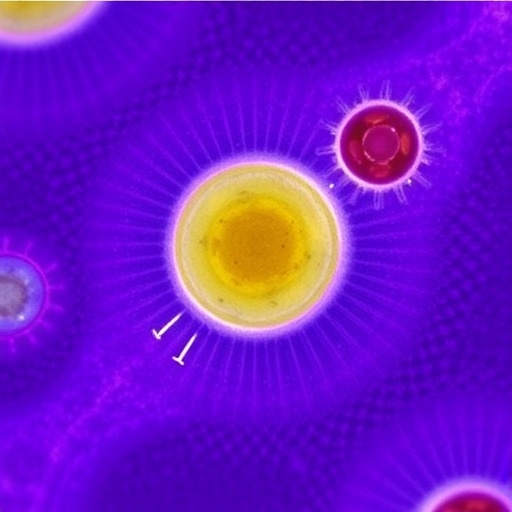
A new cell-encapsulation strategy inspired by the protective coat surrounding mammalian eggs has enabled transplanted pancreatic islets to function for more than 100 days in immunocompetent diabetic mice. The approach, reported by Lee, Wang, Wen and colleagues in Nature Biomedical Engineering, creates an ultrathin hydrogel capsule directly on the surface of each islet. Unlike many conventional encapsulation methods, the process is performed under physiological conditions, without droplets, extreme chemical environments or mechanical stress. The researchers say the method could address one of the central barriers to cell-replacement therapy for type 1 diabetes: protecting donor islets from the immune system while still allowing glucose, oxygen, nutrients and insulin to move freely across the encapsulating material.
Type 1 diabetes develops when the immune system destroys the pancreatic beta cells responsible for producing insulin. Islet transplantation can restore insulin secretion by introducing healthy insulin-producing cells into a recipient, but transplanted islets are vulnerable to immune rejection and inflammatory damage. Current strategies often rely on immunosuppressive drugs, which can expose patients to infection and other complications, or on semipermeable polymer capsules intended to shield the cells from immune attack. These capsules must be thick enough to provide protection, yet thin enough to permit rapid molecular exchange. That trade-off has made long-term cell survival difficult: thicker barriers can delay the movement of glucose and insulin, while thinner barriers may offer inadequate protection or fail to form consistently around the entire cell cluster.
The new system takes its inspiration from the zona pellucida, a specialized extracellular layer that surrounds mammalian oocytes. During reproduction, this structure provides mechanical protection and participates in highly selective molecular interactions, including the recognition of sperm. Rather than reproducing the zona pellucida’s exact biological composition, the researchers adapted its design principles: a cell-associated layer is assembled through molecular recognition, formed directly at the cell surface and then strengthened into a stable hydrogel. This biomimetic concept is intended to combine the precision of biological recognition with the tunability of synthetic materials.
At the centre of the technique are aptamers, short single-stranded nucleic acid sequences that can be engineered to bind selected molecular targets. In this case, aptamer-directed recognition brings the components needed to construct the capsule into close proximity with the islet surface. Once localized, the components undergo crosslinking, a chemical process that connects individual polymer chains into a three-dimensional network. The resulting hydrogel is then hardened into a coherent coating approximately 20 micrometres thick. Because the capsule is assembled where recognition occurs, rather than being produced around the cells in a separate bulk process, it can form closely around the islet surface and avoid the uneven coverage associated with some conventional encapsulation techniques.
The researchers report a 100 per cent encapsulation efficiency, meaning that every targeted islet received a capsule under the described conditions. The encapsulation was also droplet-free. This is technically important because droplet-based microfluidic and emulsification systems can expose cells to interfaces, shear forces, changes in osmotic conditions or additional processing steps. The new procedure instead takes place in a liquid environment compatible with living cells and does not require harsh factors. According to the study, the islets experienced no detectable loss of viability or function during the encapsulation process, suggesting that the protective coating can be applied without sacrificing the biological performance it is designed to preserve.
The capsule’s thinness is another central feature. A 20-micrometre barrier is substantially thinner than many earlier protective coatings, reducing the distance that glucose must travel to reach beta cells and that insulin must cross after secretion. In principle, shorter diffusion paths can help the encapsulated islets respond more rapidly to changes in blood glucose. The hydrogel must nevertheless remain sufficiently stable to prevent direct contact between donor cells and the recipient’s immune system. The study’s design therefore treats thickness, molecular permeability and structural integrity as interconnected engineering parameters rather than as separate objectives. The researchers’ results indicate that the biomimetic coating achieved this balance well enough to support islet activity after transplantation.
The team tested the encapsulated allogeneic islets in immunocompetent diabetic mice. “Allogeneic” refers to cells transferred between genetically different individuals of the same species, a setting in which immune recognition and rejection remain relevant. “Immunocompetent” mice retain functioning immune systems, making the model more demanding than experiments conducted in animals whose immune responses have been deliberately suppressed or genetically impaired. Following transplantation, the treated animals achieved normoglycaemia, or blood-glucose levels within the normal range. Most maintained normoglycaemia for more than 100 days, indicating that the encapsulated islets continued to release biologically active insulin over an extended period despite being exposed to a functioning host immune system.
The findings suggest that the capsule did more than merely preserve the physical structure of the transplanted islets. To regulate blood glucose, beta cells must sense glucose fluctuations, produce insulin in response and release the hormone in a controlled manner. The maintenance of normoglycaemia implies that the coated islets retained sufficient glucose responsiveness and secretory capacity after transplantation. At the same time, the long duration of glycaemic control suggests that the hydrogel remained in place and continued to provide meaningful protection. The study does not establish that the coating completely eliminates immune recognition, nor does it show that the strategy would work indefinitely, but it demonstrates a sustained therapeutic effect in a stringent preclinical model.
The work also illustrates why cell protection is increasingly being approached as a problem of biological interface design. A capsule placed around a living cell is not simply a passive wall: it must regulate transport, withstand the surrounding tissue environment, avoid damaging the enclosed cells and limit harmful interactions with host biology. By using aptamers to direct assembly at the cell surface, the researchers created a process that resembles biological self-organization more closely than conventional bulk encapsulation. Such molecular precision could eventually be adapted to other cell therapies, including engineered endocrine cells or replacement cells intended to treat diseases beyond diabetes, although each application would require its own safety and compatibility testing.
For patients, the potential significance lies in the possibility of restoring insulin production without continuous systemic immunosuppression. However, the results remain preclinical. Human islets are larger, transplantation procedures are more complex and immune reactions in people can involve both cellular and antibody-mediated mechanisms. Long-term capsule stability, vascularization, inflammation, manufacturing scale-up and the fate of the material after transplantation will all need to be examined. Researchers will also need to determine whether the thin hydrogel can protect cells from the full range of immune and inflammatory threats encountered in the human body. Even so, the study presents a notable advance: a stress-free, droplet-free and molecularly guided method that creates a remarkably thin protective coating while preserving islet function. In diabetic mice with intact immune systems, that coating supported sustained glycaemic control, offering a new direction for the engineering of transplantable living cells.
Cite Scienmag News
Ophelia Keating. (August 14, 2026). Biomimetic zona pellucida-encapsulated islets sustain glycaemic control in immunocompetent mice. Scienmag. https://scienmag.com/biomimetic-zona-pellucida-encapsulated-islets-sustain-glycaemic-control-in-immunocompetent-mice/
Ophelia Keating. "Biomimetic zona pellucida-encapsulated islets sustain glycaemic control in immunocompetent mice." Scienmag, 14 August 2026, https://scienmag.com/biomimetic-zona-pellucida-encapsulated-islets-sustain-glycaemic-control-in-immunocompetent-mice/. Accessed 4 September 2026.
Ophelia Keating. "Biomimetic zona pellucida-encapsulated islets sustain glycaemic control in immunocompetent mice." Scienmag. August 14, 2026. https://scienmag.com/biomimetic-zona-pellucida-encapsulated-islets-sustain-glycaemic-control-in-immunocompetent-mice/


