


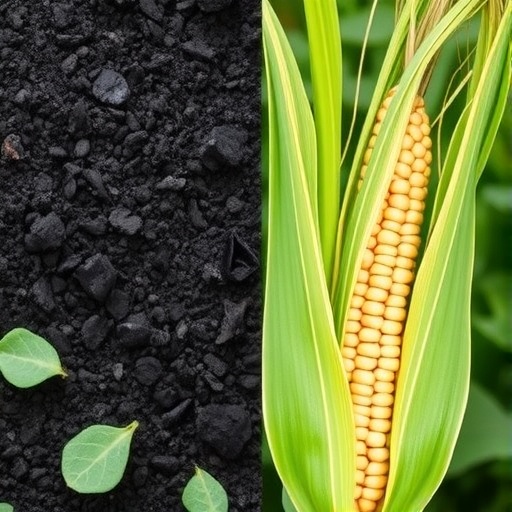
Recent advancements in agricultural practices have revealed that the use of biochars can significantly influence plant metabolism. A groundbreaking study conducted by Freitas e Silva and colleagues demonstrates the profound impact of biochar on the metabolomic profile of two important crops: soybean and maize. This research has implications for enhancing crop resilience and productivity, particularly under varying environmental conditions.
The study utilized Proton Nuclear Magnetic Resonance (NMR) spectroscopy to analyze the foliar metabolome of soybean and maize plants treated with different biochar types. NMR is a powerful analytical tool that provides insights into the chemical composition of plant tissues, allowing researchers to identify and quantify various metabolites present within the leaves. This non-destructive method has become increasingly favored by scientists for its ability to generate detailed metabolic fingerprints without harming plant samples.
Employing a comprehensive experimental design, the researchers cultivated soybean and maize in controlled conditions with biochar amendments. They meticulously observed the physiological responses of the plants and collected foliar samples at specific growth stages. These samples underwent Proton NMR analysis, leading to a thorough evaluation of the plants’ metabolic changes induced by biochar application.
The results revealed that biochar not only altered the concentration of primary metabolites such as sugars, amino acids, and organic acids but also significantly influenced secondary metabolites, including phenolic compounds and flavonoids. These metabolites play critical roles in plant defense mechanisms and stress responses, suggesting that biochar enhances the plants’ ability to cope with abiotic stressors such as drought and nutrient deficiency.
An intriguing finding of the study was the differential effects of various biochar types on the metabolome of soybean and maize. This highlights the importance of selecting appropriate biochar sources based on the specific crop and soil conditions. The researchers demonstrated that biochars derived from different feedstocks produced unique metabolic profiles, further emphasizing the need for tailored biochar applications in agricultural practices.
The implications of this research extend beyond mere metabolic changes; they also suggest potential pathways for improving crop yield and quality. By enhancing the synthesis of beneficial metabolites through biochar application, farmers could potentially produce crops with increased nutritional value and greater resistance to pests and diseases. Furthermore, this study opens the door to exploring biochar’s role in sustainable agriculture, especially in the context of climate change and soil degradation.
The current agricultural landscape faces numerous challenges, including declining soil quality and the urgent need for sustainable farming solutions. The integration of biochar into agricultural practices could offer a viable strategy to improve soil health, enhance crop productivity, and mitigate the adverse effects of chemical fertilizers. This research provides evidence that biochar application can lead to profound changes in plant metabolism, which could ultimately result in more sustainable farming systems.
Moreover, biochar’s ability to improve soil structure and increase nutrient retention aligns with the principles of regenerative agriculture. As more farmers adopt practices that prioritize soil health, studies like this one will prove invaluable in understanding how to optimize biochar applications for maximum benefit. The interplay between biochar and plant metabolism provides a compelling area for future research, particularly concerning how varying application rates and biochar characteristics interact with different environmental conditions.
With global food demand on the rise, there is an urgent need to explore innovative agricultural strategies that can sustainably meet this demand. Freitas e Silva’s study is a significant step toward realizing the potential of biochar as a fundamental tool for improving crop resilience and productivity. By elucidating the complex interactions between biochar and plant metabolism, this research sets the stage for future innovations in crop management and sustainable agricultural practices.
Furthermore, the study raises intriguing questions about the long-term effects of biochar on plant growth and development. Longitudinal studies are necessary to assess how continuous biochar application may alter the soil microbiome and its subsequent influence on plant health. Such insights will be crucial for formulating guidelines for biochar use in various agricultural systems.
The research community will likely lean into this work, as it offers a wealth of opportunities for interdisciplinary collaboration. By bringing together agronomy, soil science, and metabolic engineering, scientists can work toward developing biochar application techniques that are informed by cutting-edge molecular analyses. In this context, the potential for biochar to serve as a versatile tool for improving crop system sustainability cannot be overstated.
Lastly, while the study focused on soybean and maize, it also prompts the question of whether findings can be generalized to other crops. Future research should aim to explore the broader applicability of biochar’s effects on a diverse array of plant species. Understanding how different plants respond metabolically to biochar will ultimately help develop holistic agricultural practices that can address food security challenges on a global scale.
In conclusion, Freitas e Silva and colleagues have contributed significant new knowledge regarding the effects of biochar on crop metabolism. Their findings not only underscore the importance of biochar in enhancing foliar metabolomes but also highlight the potential for sustainable agricultural practices in addressing some of the pressing challenges in contemporary farming. As the quest for sustainable agriculture continues, research like this will undoubtedly serve as a cornerstone for future advancements.
Cite Scienmag News
Alan Morgan. (November 4, 2025). Biochar Shapes Soybean and Maize Foliar Metabolome. Scienmag. https://scienmag.com/biochar-shapes-soybean-and-maize-foliar-metabolome/
Alan Morgan. "Biochar Shapes Soybean and Maize Foliar Metabolome." Scienmag, 4 November 2025, https://scienmag.com/biochar-shapes-soybean-and-maize-foliar-metabolome/. Accessed 3 September 2026.
Alan Morgan. "Biochar Shapes Soybean and Maize Foliar Metabolome." Scienmag. November 4, 2025. https://scienmag.com/biochar-shapes-soybean-and-maize-foliar-metabolome/


