


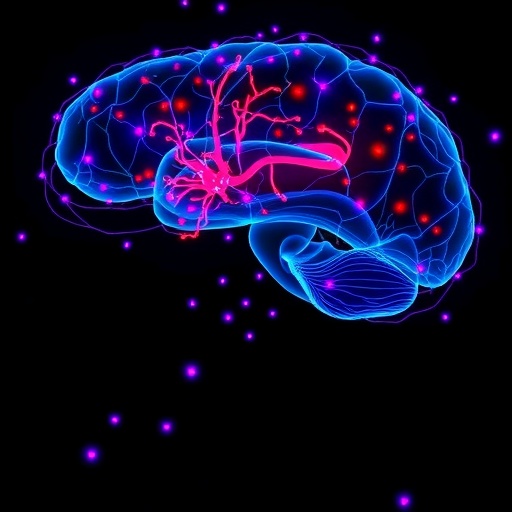
Recent advancements in neuroscience have unveiled critical insights into the mechanisms underlying synaptic plasticity, particularly in the context of brain-derived neurotrophic factor (BDNF) signaling. A notable study by De Luca, Mele, Tanqueiro, and colleagues, published in the Journal of Biomedical Science, meticulously examines the role of GluN2B-containing NMDA receptors in this process. Their research highlights the intricate relationship between BDNF-TrkB signaling pathways and synaptic modification, especially during states of heightened neural excitability, such as those observed during status epilepticus.
At the core of this investigation is the recognition of how synaptic plasticity serves as a foundational mechanism for learning and memory. This ongoing process allows synapses to strengthen or weaken over time in response to increases or decreases in their activity. It is well-established that BDNF is a vital neurotrophin involved in facilitating these adaptive changes. However, the specific molecular pathways and receptor dynamics involved have remained less understood, until now. This paper lays out a comprehensive exploration of how GluN2B-containing NMDA receptors contribute specifically to these phenomena.
The researchers conducted a series of experiments to delineate the timing and mechanism of NMDA receptor accumulation at synapses following BDNF exposure. By employing advanced imaging techniques and electrophysiological recordings, they were able to visualize and quantify the distribution of GluN2B-containing NMDA receptors in various neuronal contexts. Crucially, the findings indicate a preferential accumulation of these receptors in excitatory synapses, linking their presence to both BDNF signaling and the modulation of synaptic strength.
A significant aspect of this study involves its examination of status epilepticus, a severe condition characterized by prolonged seizures. The research suggests that during this hyperexcitable state, BDNF signaling may become dysregulated, leading to an aberrant accumulation of GluN2B-containing NMDA receptors. This abnormal receptor abundance not only perpetuates hyperexcitability but may also exacerbate synaptic dysfunction, creating a feedback loop that worsens seizure activity. Understanding the dual role of BDNF in both promoting plasticity and contributing to hyperexcitability during pathological states offers valuable insights for potential therapeutic strategies.
Additionally, the study presents a thorough molecular analysis exploring the downstream signaling cascades involved in BDNF-TrkB interaction. The authors elucidate how these pathways influence the transcriptional and translational regulation of NMDA receptor components. The implications of these findings extend beyond the scope of epilepsy, hinting at broader applications in various neurological disorders where synaptic dysfunction is prevalent, including Alzheimer’s disease and schizophrenia.
Furthermore, the identification of GluN2B as a potential therapeutic target opens new avenues for intervention. By modulating the activity of these specific NMDA receptor subunits, it may be possible to restore normal synaptic function and improve cognitive outcomes in individuals suffering from such conditions. The development of selective GluN2B modulators could represent a significant breakthrough in the pharmacological management of epilepsy and related disorders.
This research also aligns with ongoing investigations into the neuroprotective effects of BDNF, further emphasizing its critical role in neuronal survival and plasticity. The multifaceted implications of BDNF signaling underscore its importance not only in developmental processes but also in the adult brain’s capacity to adapt to injury and disease. By deepening our understanding of these processes, researchers can devise more effective strategies for enhancing cognitive resilience and mitigating dysfunction.
As neuroscience continues to elucidate the complexities of synaptic dynamics, studies such as this one play a pivotal role in bridging our knowledge gaps. They provide essential insights into the cellular and molecular underpinnings of neural activity, enriching our understanding of brain function. The mechanisms by which BDNF-TrkB signaling regulates synaptic plasticity and how it intersects with excitability during pathological states lay the groundwork for future exploration in therapeutic applications.
In summary, the work of De Luca et al. significantly advances our comprehension of NMDA receptor biology in the context of BDNF signaling and synaptic plasticity. Their findings not only unravel key aspects of neurophysiology but also pave the way for potential clinical advancements in the treatment of epilepsy and other neurological conditions. As the field progresses, further research will undoubtedly build upon these foundational insights, driving forward our understanding of the brain’s remarkable adaptability.
The research featured in this paper represents a blend of innovative methodology and critical inquiry into the signaling pathways that underpin vital brain functions. The ramifications of their findings extend beyond academic interest, touching upon real-world implications for therapeutic development. With continued investment in cerebral research, we can anticipate further breakthroughs that enhance our capability to treat neurological disorders effectively.
Integrating these insights into therapeutic contexts could revolutionize our approach towards managing conditions marked by synaptic dysregulation. As we strive to harness the intricate mechanisms of synaptic plasticity, the work of De Luca and colleagues stands as a leading example of how fundamental neuroscience research can inform the development of targeted, effective treatments in neurology.
Through comprehensive studies that connect the dots between cellular mechanisms and clinical implications, we can aspire to a future where the complexities of neural health are met with innovative and impactful solutions.
De Luca, P., Mele, M., Tanqueiro, S. et al. Synaptic accumulation of GluN2B-containing NMDA receptors mediates the effects of BDNF-TrkB signalling on synaptic plasticity and in hyperexcitability during status epilepticus.
J Biomed Sci 32, 82 (2025). https://doi.org/10.1186/s12929-025-01164-4
Cite Scienmag News
Cassandra Pierce. (December 11, 2025). BDNF-TrkB Signaling Boosts GluN2B Receptors in Epileptic Plasticity. Scienmag. https://scienmag.com/bdnf-trkb-signaling-boosts-glun2b-receptors-in-epileptic-plasticity/
Cassandra Pierce. "BDNF-TrkB Signaling Boosts GluN2B Receptors in Epileptic Plasticity." Scienmag, 11 December 2025, https://scienmag.com/bdnf-trkb-signaling-boosts-glun2b-receptors-in-epileptic-plasticity/. Accessed 6 September 2026.
Cassandra Pierce. "BDNF-TrkB Signaling Boosts GluN2B Receptors in Epileptic Plasticity." Scienmag. December 11, 2025. https://scienmag.com/bdnf-trkb-signaling-boosts-glun2b-receptors-in-epileptic-plasticity/


