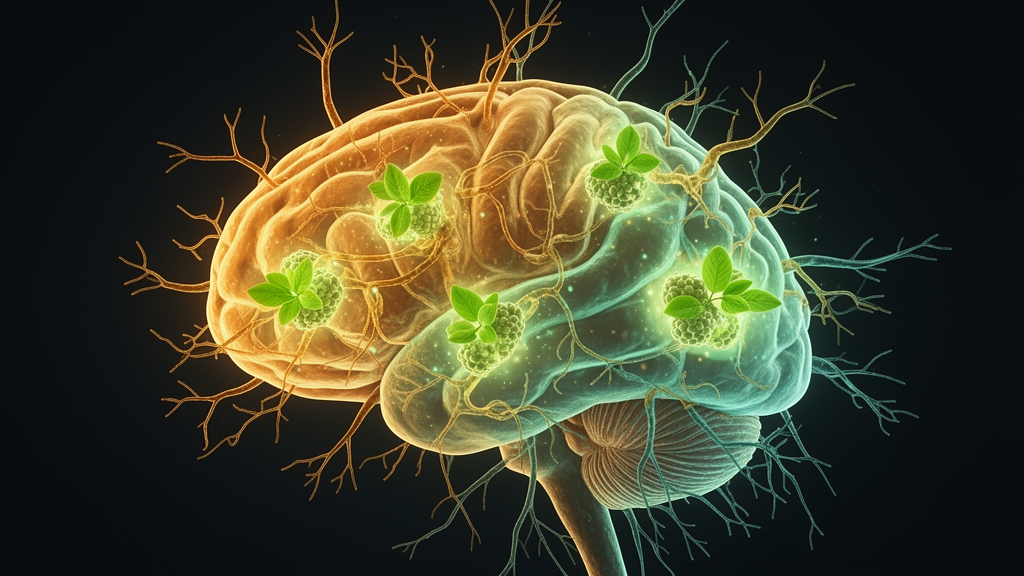
A review published in 3 Biotech examines how preparations derived from the plant genus Artemisia, ranging from crude botanical extracts to the compound artemisinin and its derivatives, have performed across experimental studies of Alzheimer’s disease. The review, authored by Adil Hussain and Syed Ali Imran Bokhari, brings together in vitro, in vivo and in silico research and evaluates the reported neuroprotective potential of these preparations against the major pathological processes that define the disease.
Alzheimer’s disease is characterized by several interlinked pathological processes, including the accumulation of amyloid-beta, hyperphosphorylation of the Tau protein, oxidative stress, synaptic dysfunction, neuroinflammation, mitochondrial impairment and a loss of neuronal stability. The review assessed how Artemisia-derived preparations have been reported to act on these targets, focusing on the mechanisms involved, the observational markers measured and the functional effects documented in experimental models of the disease.
Across the studies surveyed, the authors found that crude extracts from 17 Artemisia species have been reported to produce considerable neuroprotective effects in these experimental settings. The review also examined purified compounds and derivatives, including artemisinin itself alongside artemisinin B, artemether, artesunate and dihydroartemisinin. According to the review, artemisinin and its derivatives deliver neuroprotection through targeted mechanisms, influencing observational markers with varying functional outcomes across the experimental models studied.
The authors emphasize, however, that the evidence base does not permit straightforward comparisons between preparations. Differences in the Alzheimer’s disease models used, the routes of administration, the doses applied, the composition of the extracts and the outcomes measured all limit direct efficacy comparisons. For that reason, the review concludes that any direct comparison of efficacy among crude Artemisia extracts, artemisinin and its derivatives should be interpreted cautiously.
Looking forward, the authors identify several priorities for future inquiry. These include the development of standardized preparations, so that studies can be reproduced and compared on consistent terms; characterization of brain exposure and pharmacokinetics, to establish whether the active compounds reach their intended targets at meaningful concentrations; mechanistic validation, to confirm that the proposed pathways of neuroprotection hold up under scrutiny; and assessment of long-term safety. The review also calls for well-designed comparative studies and clinical trials to evaluate the potential of Artemisia-derived preparations for the treatment of Alzheimer’s disease.
The emphasis on clinical trials marks an important boundary in the current evidence. The findings compiled in this review derive from in vitro, in vivo and in silico research, meaning cell-based experiments, animal models and computational studies. The review does not report results from human trials of Artemisia preparations in Alzheimer’s disease, and its conclusions about neuroprotective potential apply to the experimental models examined rather than to clinical outcomes in patients.
By consolidating the reported effects of 17 Artemisia species and five artemisinin-related compounds against the core pathological processes of Alzheimer’s disease, the review offers a structured map of an active research area while making clear that the field has not yet reached the point where efficacy can be ranked or clinical benefit assumed. The authors position standardized preparations, rigorous pharmacokinetic data and controlled comparative and clinical studies as the necessary next steps before any therapeutic claim can be evaluated in people.
Subject of Research: Neuroprotective potential of Artemisia extracts and artemisinin derivatives in experimental Alzheimer's disease models
Article Title: Mechanistic insights of Artemisia-derived therapeutics in Alzheimer’s disease (AD): from crude botanical extracts to artemisinin and derivatives
Article References: Hussain, A., & Bokhari, S. A. I. (2026). Mechanistic insights of Artemisia-derived therapeutics in Alzheimer’s disease (AD): from crude botanical extracts to artemisinin and derivatives. 3 Biotech, 16(11), 479. https://doi.org/10.1007/s13205-026-05110-5
Image Credits: AI Generated
DOI: 10.1007/s13205-026-05110-5
Keywords: Alzheimer's disease, Artemisia, artemisinin, artemether, artesunate, dihydroartemisinin, neuroprotection, amyloid-beta, Tau hyperphosphorylation, neuroinflammation, oxidative stress, review article
Cite Scienmag News
Diana Fleming. (October 25, 2026). Artemisia compounds show neuroprotective potential in Alzheimer’s models, review finds. Scienmag. https://scienmag.com/artemisia-compounds-show-neuroprotective-potential-in-alzheimers-models-review-finds/
Diana Fleming. "Artemisia compounds show neuroprotective potential in Alzheimer’s models, review finds." Scienmag, 25 October 2026, https://scienmag.com/artemisia-compounds-show-neuroprotective-potential-in-alzheimers-models-review-finds/. Accessed 25 October 2026.
Diana Fleming. "Artemisia compounds show neuroprotective potential in Alzheimer’s models, review finds." Scienmag. October 25, 2026. https://scienmag.com/artemisia-compounds-show-neuroprotective-potential-in-alzheimers-models-review-finds/