


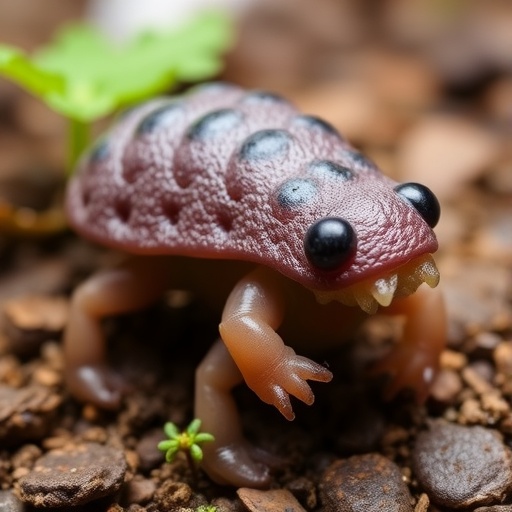
In an intriguing new study published in Frontiers in Zoology, researchers have delved into the fascinating relationship between ants and tardigrades, uncovering a unique form of interaction known as myrmecophoresy. This phenomenon highlights how ants not only serve as carriers but also provide a sheltering environment for these microscopic creatures. The research sheds light on the ecological implications of this interaction and opens new avenues for understanding mutualistic relationships within ecosystems.
At the crux of this investigation is the behavior of ants, which are known for their complex social structures and cooperative behaviors. The study posits that ants, through their foraging activities, inadvertently aid in the dispersion of tardigrades by transporting them to different locations. This not only facilitates the spread of tardigrade populations but also enhances their survival chances in diverse environments. A fascinating aspect of this relationship is how it underscores the interconnectedness of species within ecosystems.
Tardigrades, often referred to as “water bears,” are micro-animals famous for their resilience. They can survive extreme conditions, including the vacuum of space and intense radiation. The research highlights how, through myrmecophoresy, tardigrades gain enhanced opportunities for habitation and access to new resources. This ecological niche serves as an example of how species adapt and thrive through symbiotic relationships.
Moreover, the study builds upon previous findings regarding the role of ants in ecological dynamics. Ants have been documented as facilitators of various organisms, including fungi and aphids, by providing protection and transport. This new angle of ants assisting tardigrades extends the narrative of how organisms evolve strategies for survival and reproduction in a competitive world.
In examining the specific behaviors of the different ant species observed in the study, the researchers noted variations in how intensively they engaged in the transport of tardigrades. Some ant species were more diligent in locating and collecting tardigrades, which may suggest a level of specialization in their foraging habits. Such findings indicate that not all ant-tardigrade interactions are equal; rather, there is a spectrum of engagement that could reflect underlying ecological strategies.
The researchers employed meticulous field studies and laboratory experiments to unravel the intricate details of this relationship. By observing interactions in natural settings and controlled environments, they were able to gather a comprehensive understanding of how ants and tardigrades coexist. This methodological combination is pivotal in ecological research, as it allows scientists to grasp the complexity of interactions that may otherwise be overlooked.
Accompanying these observations were the ecological implications of the findings. The mutual benefits gained from this relationship suggest that tardigrades may become less vulnerable to environmental stressors when associated with ant colonies. As ants have the capability to modify their local environments—offering shelter and protection—tardigrades could leverage these benefits to enhance their own populations. Such dynamics speak to the significance of mutualistic exchanges in nature, where the survival of one species is closely tied to the wellbeing of another.
Additionally, the potential applications of this research stretch beyond academic curiosity. Understanding the symbiotic relationships within ecosystems has implications for biodiversity conservation and habitat management, especially in the face of climate change and habitat destruction. By obtaining insights into how species like tardigrades respond to environmental changes when linked to ant colonies, conservationists can better devise strategies to protect these crucial ecological connections.
The paper also discusses the broader evolutionary context of myrmecophoresy. By analyzing the adaptations that facilitate this relationship, the researchers argue for a reconsideration of how we view the evolutionary pressures acting on these species. Evolution is often considered within the context of competition, yet here we see a vivid illustration of cooperation leading to enhanced resilience.
Further, the findings spark interest in the role of microbial communities that exist within ant nests. As ants tend to mold their environments, the microorganisms interacting with tardigrades within these nests may also influence the dynamics of their relationship with ants. This revelation opens the door to investigating the larger web of interactions at play, potentially leading to new understandings of biodiversity.
As science continues to unravel the intricacies of nature, studies like this one serve as a reminder of how interconnected life is on Earth. The mystique of tardigrades combined with the industrious nature of ants paints a portrait of collaboration that highlights the potential for interspecies relationships to drive survival strategies. These lessons remind us of the importance of conserving natural habitats that support such complex webs of life.
In conclusion, the remarkable findings of Giannetti and colleagues provide a compelling narrative of mutualism in the natural world. Myrmecophoresy represents a fascinating example of how species strategies in the face of challenges can lead to unique partnerships. As further research emerges, this relationship may offer new insights into adaptability and ecological resilience, reinforcing the interconnectedness of life on our planet.
Giannetti, D., Giovannini, I., Massa, E. et al. Dispersion and new shelters offered by ants: myrmecophoresy of tardigrades.
Front Zool 22, 30 (2025). https://doi.org/10.1186/s12983-025-00581-3
Cite Scienmag News
Drew Townsend. (October 6, 2025). Ant-Sheltered Tardigrades: A Unique Survival Strategy. Scienmag. https://scienmag.com/ant-sheltered-tardigrades-a-unique-survival-strategy/
Drew Townsend. "Ant-Sheltered Tardigrades: A Unique Survival Strategy." Scienmag, 6 October 2025, https://scienmag.com/ant-sheltered-tardigrades-a-unique-survival-strategy/. Accessed 3 September 2026.
Drew Townsend. "Ant-Sheltered Tardigrades: A Unique Survival Strategy." Scienmag. October 6, 2025. https://scienmag.com/ant-sheltered-tardigrades-a-unique-survival-strategy/


