


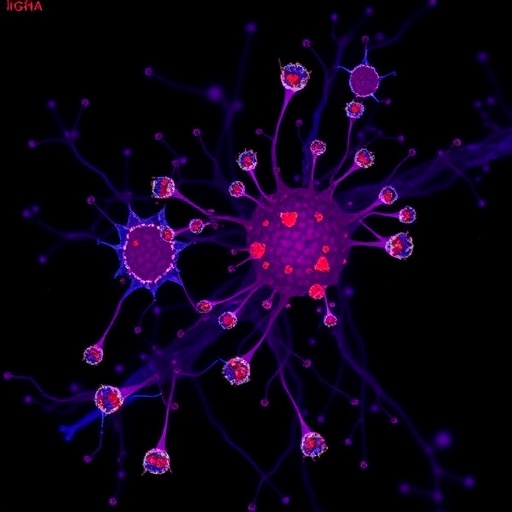
In the realm of immunology and infectious diseases, a groundbreaking study authored by Haynes, Ovadiuc, Peterson, and their colleagues sheds light on the intricate dynamics of the human immune response to tuberculosis (TB). Specifically, the research focuses on the transcriptional signatures of alveolar macrophages in relation to resistance to conversion in tuberculin skin tests (TST) and interferon-gamma release assays (IGRA), both of which are crucial diagnostic tools for latent TB infection. This exploration into the alveolar macrophage landscape presents an exciting frontier in understanding the immune mechanisms underpinning TB resistance.
Tuberculosis remains a looming global health challenge, causing millions of infections and deaths annually. The disease, primarily caused by Mycobacterium tuberculosis (Mtb), requires a robust immune response for containment and resolution. Alveolar macrophages, the resident immune cells in the lungs, play a pivotal role in this combat against respiratory pathogens. Their ability to phagocytose pathogens and orchestrate adaptive immune responses underscores their importance in the context of TB exposure and subsequent immune responses.
The study meticulously analyzed the transcriptional profiles of alveolar macrophages collected from individuals exposed to Mtb but who displayed resistance to TST/IGRA conversion. This cohort presents a unique opportunity to dissect the specific genetic and molecular pathways that enable such resilience against tuberculosis. The researchers deployed advanced RNA sequencing techniques, which yielded a comprehensive overview of gene expression patterns in these macrophages.
Among the significant findings of the study is the role of specific pathways involved in cytokine signaling and immune activation. The enriched transcriptional signatures revealed an upregulation of genes associated with the production of pro-inflammatory cytokines, which are critical in orchestrating a robust immune response against pathogens. This heightened state of immune readiness in alveolar macrophages may be an essential determinant in providing resistance to TST/IGRA conversion.
Moreover, the study highlights the importance of transcription factors that modulate immune responses in alveolar macrophages. The identified transcriptional signatures suggest an active engagement of nuclear receptors and transcriptional regulators that govern various immune-related processes. Understanding the interplay between these transcription factors and their target genes offers valuable insights into therapeutic strategies aimed at enhancing immune responses against TB.
The implications of such findings extend beyond the basic understanding of macrophage biology; they indicate potential pathways for developing targeted therapies or vaccines that could bolster the immune system’s ability to fend off TB infections. For instance, enhancing the activity of specific transcription factors may improve alveolar macrophage function and, by extension, the host’s ability to control Mtb.
Furthermore, the study contributes to the ongoing discourse regarding the heterogeneity of immune responses to TB. It underscores the notion that not all individuals infected with Mtb progress to active disease, and variation in immune response is a critical factor in this phenomenon. The elucidation of transcriptional differences in alveolar macrophages raises pertinent questions about personalized medicine approaches in TB treatment and prevention.
Given the significant health burden posed by TB, the integration of genomics and tailored immunological insights holds promise for innovative strategies that can bridge the gap between exposure, resistance, and disease manifestation. Future research will undoubtedly build upon these findings, aiming to unravel the complexities of host-pathogen interactions.
As the scientific community grapples with the multifaceted nature of TB immune resistance, this study provides a roadmap for future investigations into the cellular and molecular underpinnings of host defense. The unique transcriptional landscape of alveolar macrophages uncovered here could serve as a foundation for the development of novel diagnostic markers and therapeutic targets, enhancing our capabilities to combat this ancient infectious threat.
Researchers are now called to further explore and validate these transcriptional signatures across diverse populations and geographic regions. Such efforts will be instrumental in ascertaining the universally applicable aspects of immune resistance and tailoring future vaccine candidates to effectively engage the immune system.
It is also vital to consider the broader implications of these findings in the context of global health initiatives aimed at TB control. Enhancing our understanding of the immune mechanisms involved in TST/IGRA conversion resistance could inform public health strategies and lead to more effective screening and management approaches.
In summary, the research illuminates the critical role of alveolar macrophages and their transcriptional signatures in conferring resistance to TST/IGRA conversion following Mycobacterium tuberculosis exposure. This study not only enriches our understanding of TB immunology but also opens the door for translating these molecular insights into actionable strategies for tackling tuberculosis on a global scale.
As we look forward to further investigations, the anticipation surrounding future advancements in TB research remains high. This foundational work serves as a vital contribution to understanding the complex interplay between the immune system and tuberculosis, ultimately striving towards the goal of eliminating this preventable yet deadly disease.
Haynes, A.M., Ovadiuc, C., Peterson, G.J. et al. Alveolar macrophage transcriptional signatures associated with resistance to TST/IGRA conversion following Mycobacterium tuberculosis exposure.
BMC Genomics 26, 983 (2025). https://doi.org/10.1186/s12864-025-12165-w
Cite Scienmag News
Kristina Jarvis. (November 1, 2025). Alveolar Macrophages Predict TST/IGRA Conversion Resistance. Scienmag. https://scienmag.com/alveolar-macrophages-predict-tst-igra-conversion-resistance/
Kristina Jarvis. "Alveolar Macrophages Predict TST/IGRA Conversion Resistance." Scienmag, 1 November 2025, https://scienmag.com/alveolar-macrophages-predict-tst-igra-conversion-resistance/. Accessed 3 September 2026.
Kristina Jarvis. "Alveolar Macrophages Predict TST/IGRA Conversion Resistance." Scienmag. November 1, 2025. https://scienmag.com/alveolar-macrophages-predict-tst-igra-conversion-resistance/


