


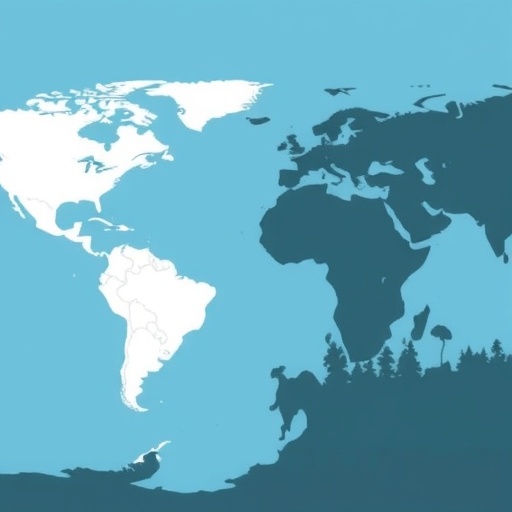
Global forest loss is an environmental crisis that is increasingly recognized for its far-reaching impacts on climate, biodiversity, and the attainment of sustainable development goals. The global community is looking for solutions to mitigate this issue, and one effective approach is known as deforestation footprinting. This method attributes forest loss to the production and consumption of various commodities, allowing researchers and policymakers to identify global trends, primary drivers, and hotspots of deforestation. Through this lens, efforts to implement zero-deforestation policies can be informed and bolstered, creating a pathway towards sustainable land management practices and environmental preservation.
Deforestation footprinting is a comprehensive approach that examines the link between commodity production—particularly in agriculture—and significant forest loss. A substantial contributor to this phenomenon is agricultural expansion. For instance, recent data indicates that Brazil, Indonesia, China, the United States, and Europe play substantial roles in commodity-linked deforestation. Brazil’s impact is particularly striking, with agriculture-related deforestation recorded at over 12.8 million hectares from 2005 to 2015. This figure underscores the tension between agricultural development and forest conservation, a conflict that has severe implications for global ecological health.
Analyzing the data from 2001 to 2022 reveals that agriculture is the dominant driver of global deforestation. Alarmingly, 86% of deforestation during this period can be linked back to two primary sectors: crop production and cattle ranching. This overwhelming statistic highlights the urgent need for stricter regulations and better management practices in agricultural industries to mitigate their substantial environmental footprints. As the global population rises and food demand increases, these sectors must adapt to more sustainable practices that prioritize environmental stewardship.
Efforts to regulate commodity-linked deforestation are gaining traction, particularly in the European Union and the United Kingdom, where supply chain regulations are being implemented to address the issue. For instance, risk assessments that incorporate deforestation footprint estimates are increasingly recognized as critical tools in the development of these regulations. Such assessments help identify which commodities pose the highest risks for contributing to deforestation, allowing policymakers to prioritize action in specific areas. This forward-thinking approach not only addresses the direct causes of deforestation but also encourages companies to adopt sustainable practices throughout their supply chains.
Despite the valuable contributions of footprinting methods in tracking deforestation linked to agricultural activities, a noticeable gap exists in data on non-agricultural drivers of forest loss. Sectors such as mining, infrastructure development, and aquaculture are significant contributors to deforestation, yet often remain under-researched. Specifically, activities like mangrove clearance for shrimp farming or the extraction of minerals can devastate forested areas and disrupt local ecosystems. The current lack of comprehensive data on these non-agricultural drivers limits the effectiveness of deforestation footprinting and underlines the need for an expanded research focus.
Future research in the field of deforestation footprinting should prioritze methodological harmonization and data transparency. As various studies adopt different methodologies, discrepancies can arise in deforestation estimates, complicating the creation of unified policy responses. By establishing standardized approaches to data collection and analysis, researchers can achieve more accurate and comparable results, ultimately strengthening the foundation for evidence-based policies. Additionally, promoting data sharing across institutions can facilitate collaboration and allow for a more holistic understanding of deforestation drivers.
Another critical aspect of better understanding global deforestation lies in addressing the socio-economic factors that drive land use changes. In many regions, local communities rely on forests for their livelihoods, creating competing interests between conservation efforts and economic necessities. Engaging these communities in discussions about sustainable land use is crucial, as they hold invaluable knowledge about local ecosystems and sustainable practices. Incorporating indigenous and local perspectives into deforestation footprinting studies can enrich the narrative and provide a more comprehensive view of the crisis.
Innovative technological solutions are also emerging as valuable tools for tackling the deforestation crisis. Remote sensing technology, including satellite imagery and geospatial analysis, can provide real-time data on forest cover changes and deforestation rates. These tools empower researchers to monitor trends more effectively and proactively identify regions at risk. Additionally, advancements in machine learning and artificial intelligence are paving the way for more accurate deforestation predictions, enabling governments and NGOs to deploy their resources more strategically.
Despite the promising developments in assessing and addressing deforestation through footprinting, significant challenges remain. Stakeholder collaboration is essential to ensure that policies are not only effective but also equitable. Ensuring that businesses and governments invest in sustainable practices requires a paradigm shift in how we perceive the relationship between economic growth and environmental preservation. Policymakers must recognize that the short-term gains from deforestation are often outweighed by long-term detrimental impacts on ecosystems and climate, fostering a commitment to conserving natural resources for future generations.
The ramifications of global forest loss extend beyond environmental degradation; they also encompass significant social and economic challenges. Forests play a vital role in carbon sequestration, biodiversity preservation, and the livelihoods of millions of people worldwide. The consequences of deforestation can exacerbate climate change, leading to more extreme weather events, food insecurity, and loss of biodiversity. Therefore, it is imperative to adopt a holistic approach that considers the interconnectedness of these issues while striving for comprehensive solutions.
Public awareness and advocacy efforts are also pivotal for influencing change at all levels. Engaging consumers to understand their role in the deforestation crisis can drive market demand towards sustainable products and practices. By increasing awareness of the deforestation footprints associated with various commodities, companies may feel compelled to adopt transparent supply chains and more sustainable sourcing methods. Consumer behavior can be a powerful catalyst for change, and mobilizing public support is crucial for catalyzing meaningful action.
In conclusion, tackling the global deforestation crisis requires a multifaceted approach that integrates scientific research, innovative technology, stakeholder collaboration, and public engagement. Deforestation footprinting serves as a vital tool in this battle but must evolve to incorporate a broader spectrum of forest loss drivers to fully understand the crisis at hand. Future research and policy development should aim to bridge existing gaps in data, harmonize methodologies, and foster a collaborative environment for addressing both agricultural and non-agricultural drivers of deforestation. Only through comprehensive, inclusive, and informed strategies can we hope to enact effective solutions that safeguard our forests, our climate, and our planet for generations to come.
West, C., Rabeschini, G., Singh, C. et al. The global deforestation footprint of agriculture and forestry.
Nat Rev Earth Environ 6, 325–341 (2025). https://doi.org/10.1038/s43017-025-00660-3
Cite Scienmag News
Alan Morgan. (October 5, 2025). Agriculture and Forestry’s Global Deforestation Impact. Scienmag. https://scienmag.com/agriculture-and-forestrys-global-deforestation-impact/
Alan Morgan. "Agriculture and Forestry’s Global Deforestation Impact." Scienmag, 5 October 2025, https://scienmag.com/agriculture-and-forestrys-global-deforestation-impact/. Accessed 3 September 2026.
Alan Morgan. "Agriculture and Forestry’s Global Deforestation Impact." Scienmag. October 5, 2025. https://scienmag.com/agriculture-and-forestrys-global-deforestation-impact/


